


A Guide to Understanding and Selecting Headache Medicines
Jan 08, 2026
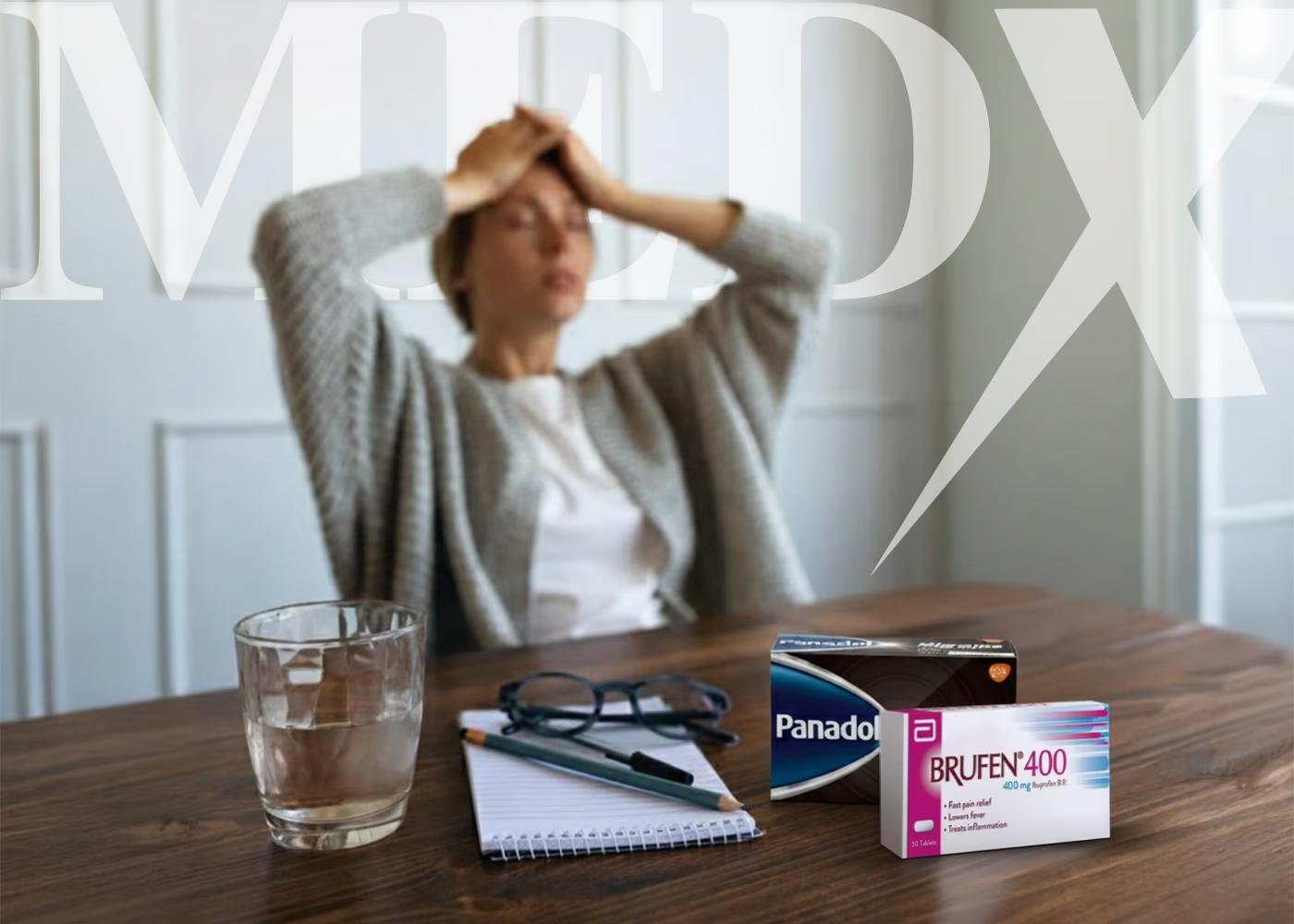
Headaches show up in more ways than one. Sometimes it’s a light, nagging throb that you push through while scrolling your phone, sometimes it’s a pounding pain that makes you shut off the lights and crawl into bed. Because they’re so common, people in the UAE often reach for headache medicine without much thought, and yes - most of the time, it works. But the truth is, not all headaches are the same, and not all pills are built for every kind of pain.
Paracetamol might do the trick for tension headaches, but migraines, cluster headaches, or hormone-related ones? Those need different solutions. The smarter approach to treat headaches is to know what kind you are actually dealing with and then match it to the right medicine for headache as only then you will get relief that lasts and not just a quick band-aid fix.
What is a Headache and Why Does it Matter?
A headache is more than “just pain in your head.” It’s your body waving a little flag to say something is off. It might be stress piling on, dehydration you didn’t notice, strained eyes, or even hormones shifting around. And since each cause is different, the pain doesn’t always feel the same - sometimes it’s pressure, sometimes pulsing, sometimes sharp.
The natural instinct is to grab a pill. In the UAE, medicine for headache is easy to find and it usually helps. But if you don’t think about why the headache keeps returning, you end up stuck in a cycle of popping tablets. That’s where rebound headaches start. When you match the right headache medicine with the actual cause, relief isn’t just temporary - it’s effective.
Types of Headaches
Headaches come in many forms, while some aches creep in slowly, others happen very suddenly out of the blue. A few fade with rest, others demand more aggressive treatment. Knowing which type you have got makes all the difference in picking the right headache medicine instead of wasting time on the wrong one.
Tension Headaches
These are the “everyday” headaches that feel tight around your forehead and cause a dull ache at the back of your head. Situations like stress, poor posture, long hours at a desk all feed into it. While, OTC tablets like ibuprofen or paracetamol usually help, but honestly, stretching, hydration, or even a quick break from screens can be just as effective. Lifestyle changes are underrated here, often more useful than pills in the long run.
Migraine Headaches
Migraines aren’t just worse headaches, they are an entirely different beast. One-sided, throbbing, lasting hours or days with nausea, dizziness, flashing lights or blurred vision - a mix of symptoms that a standard headache medicine cannot handle. This is why doctors usually prescribe triptans or other migraine-specific drugs to counter them. Triggers play a role in elevating them as well, like a lack of sleep, skipped meals, even certain foods, etc. Identifying what sparks them matters almost as much as the medicine itself. For most of the people who suffer, treatment is often half relief and half prevention.
Cluster Headaches
Cluster headaches cause a stabbing pain behind one eye, and usually lasts for weeks in waves with treatment ranging from oxygen therapy to strong prescription drugs. People often describe them as some of the worst pain imaginable, which is why this type of headache always calls for medical guidance and not self-treatment.
Sinus Headaches
Usually linked to sinus infections or allergies, these come with heaviness in the face, stuffed nose, and pain around the cheeks and forehead. Although painkillers provide short-term relief, reducing inflammation and clearing the sinuses is what really works. Many people in the UAE prefer medicine for headache that also includes decongestants, because once you breathe better, the pressure - and pain - often fades.
Hormonal Headaches
Changes in hormones, especially estrogen can trigger headaches in many women during their cycle, pregnancy, or menopause. Sometimes they can feel like tension headaches or like migraines, and while regular headache medicine helps, lifestyle factors like sleep, hydration, and exercise can lower their frequency. Keeping track of cycles also makes them easier to manage.
Rebound Headaches
Ironically, overusing pills can cause headaches. When the medicine wears off, the pain bounces back - stronger and more frequent. That’s a rebound headache. The fix isn’t more medicine, it’s usually stepping back under medical advice. It’s proof that even the best headache medicines work only when used carefully.
Common Causes of Headaches
Headaches don’t come from nowhere. Stress, sleepless nights, skipping water, staring at screens, hormonal swings - each one can set it off.
Stress and Anxiety
Stress creates tension in the neck and scalp, and that tension sometimes shows up as a steady, nagging head pain. Medicine masks it, but relaxation or even exercise gets to the root. Headache medicine plus stress control is usually the winning combo.
Lack of Sleep
Too little sleep lowers your pain tolerance. Even mild headaches feel heavy. Fixing sleep often reduces the need for pills.
Dehydration
Forget water long enough and headaches appear. In many cases, rehydrating helps faster than medicine.
Eye Strain
Screens, poor lighting, wrong glasses - all push your eyes to the limit, often creating tension headaches.
Hormonal Changes
Fluctuations in hormones, especially in women, often trigger repeat headaches. Medicine can help a lot but lifestyle balance is key.
Types of Headache Medicines
Different headaches call for different pills - there’s no one “best” medicine.
Over-the-Counter (OTC) Medicines
Paracetamol, ibuprofen, and aspirin is available in every UAE pharmacy and they work well for tension headaches and sometimes mild migraines. Quick, effective, but they should never be used excessively because that leads to rebound headaches.
Prescription Medicines
For migraines, cluster headaches, or severe recurring pain, doctors prescribe triptans, beta blockers, or anticonvulsants. These go beyond pain relief, targeting the actual process behind the headache.
Natural Remedies & Supplements
Magnesium, vitamin B2, and herbal teas are gentler options. They won’t replace headache medicine, but they help with prevention and light cases.
How to Choose the Right Headache Medicine?
The “right” medicine depends on the headache type and the person taking it. Tension headaches usually respond to OTC tablets. Migraines often need prescription drugs. Cluster headaches require specialized treatment. The point is - type decides the medicine.
But personal health matters too. Someone with ulcers, asthma, or pregnancy would not be able to tolerate certain painkillers. Convenience also plays a role here; in the UAE, a lot of people prefer fast-dissolving or dual-action headache medicines. Trial and error is normal, but guidance is smarter. Doctors help avoid rebound headaches and unsafe mixes. Relief that lasts isn’t just about what’s strongest - it’s about matching the right medicine with the right trigger and your body’s needs.
Prevention Tips for Headaches
It’s easier to stop a headache before it starts. Hydration is the simplest tool - even mild dehydration triggers pain. Balanced meals matter too, since low blood sugar can spark headaches. Sleep hygiene counts, because both too little and too much rest cause problems.
Stress is another key trigger. Breaks, stretching, meditation, or light exercise keep it from building up. Screen strain? Adjust lighting, take breaks, or update your glasses. For women, cycle tracking helps manage hormonal headaches.
The truth is, prevention means fewer pills. And fewer pills mean less chance of rebound headaches. Prevention doesn’t sound exciting, but it works better than chasing pain later. Even the best headache medicine is most effective when headaches are already rare.
When to See a Doctor
Most headaches aren’t serious, but some are signals you can’t ignore. A sudden, severe headache - often described as the worst ever - needs immediate care. So do headaches with fever, stiff neck, dizziness, vision changes, or weakness. Injuries followed by pain are another red flag.
If OTC or prescription headache medicine stops working, or headaches keep coming back stronger, it will be worth checking with your doctor. In the UAE, doctors may recommend scans or further tests to rule out bigger issues, since while pain alone isn’t dangerous, but sometimes it is a symptom of something more. Seeing a doctor ensures you are not just silencing symptoms while missing the real cause.
FAQs for A Guide to Understanding and Selecting Headache Medicines
What Is the Fastest Medicine for Headache Relief?
Ibuprofen or paracetamol usually help quickly for tension headaches.
Can Hydration and Sleep Help Prevent Headaches?
Yes, both are underrated but powerful preventives.
Can I Take Ibuprofen and Paracetamol Together?
Sometimes yes, but only as directed by a doctor.
What Is the Best Migraine Medicine Without a Prescription?
Ibuprofen or aspirin may help mild migraines, but strong ones need prescriptions.
Are There Herbal or Natural Alternatives to Headache Pills?
Yes, supplements like magnesium and riboflavin may help.
Can I take headache medicine on an empty stomach?
Some can upset the stomach, so food is safer.
Can caffeine help relieve a headache?
Yes, caffeine can reduce pain, but too much backfires.
Conclusion
Headaches are common, but their solutions vary. Some vanish with water and rest, others require proper medicine while a few need strong prescriptions and that is why it matters to know what kind you are facing before reaching for pills.
There are plenty of options easily available across The UAE, from OTC painkillers to advanced migraine treatments, and even natural remedies for lighter cases. But prevention - hydration, sleep, stress control - remains the smarter long-term play and ultimately, relief would work best when the medicine you are taking matches the type of headache, and your lifestyle habits are able to keep them from returning.
all blogs