


Azelaic Acid for Acne, Rosacea and Dark Marks: How It Works and Which to Choose
Jul 20, 2026
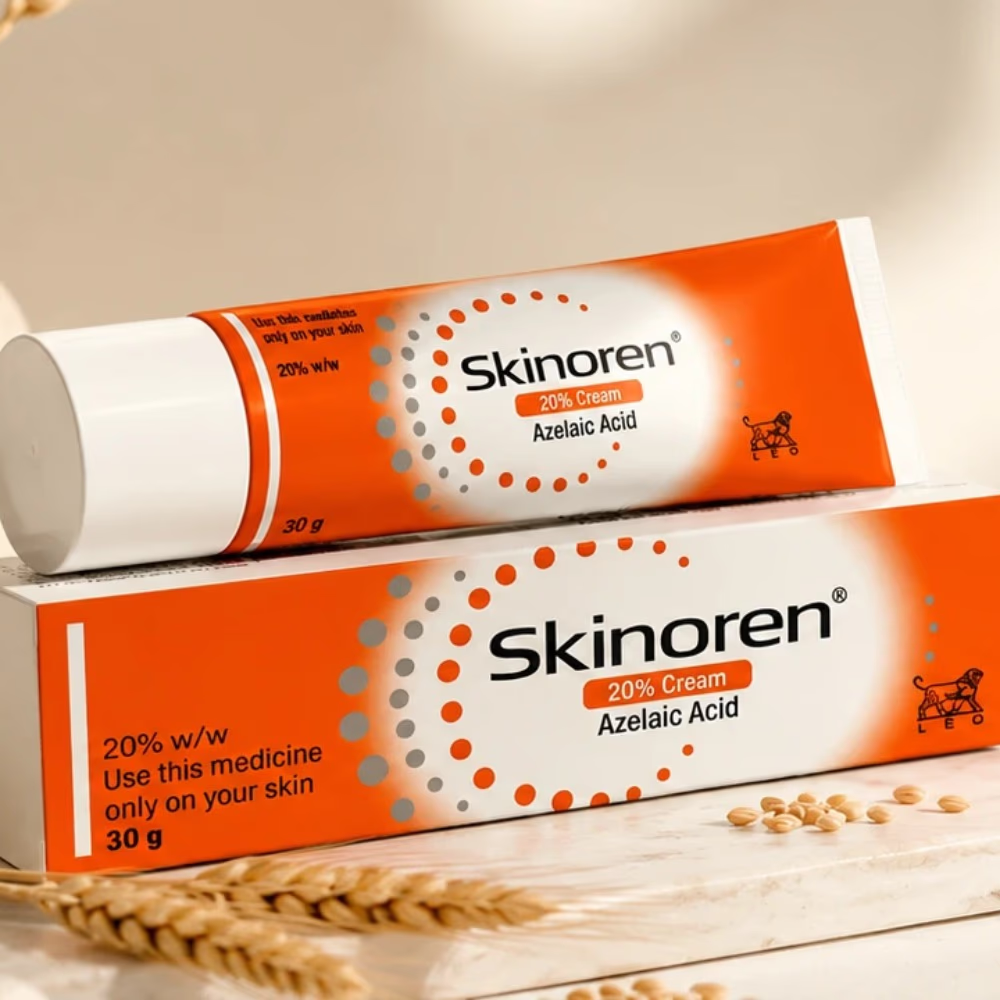
Azelaic acid is a gentle multitasking skin active that calms acne, reduces rosacea redness, and fades dark marks by targeting the bacteria, inflammation, and excess pigment behind them. It suits sensitive skin, and it is considered safe to use in pregnancy. The one real choice you face is strength: a 10% cosmetic serum you can pick off the shelf, or a medicated 20% cream you get through the pharmacy.
If retinoids feel too harsh, are off-limits because you are pregnant, or simply are not calming your redness, this is the active worth understanding before you buy. Here is how it works, who each strength is for, and how to use it without the irritation people worry about.
What is azelaic acid, and how does it work?
Azelaic acid is a naturally occurring dicarboxylic acid used on the skin to treat acne, rosacea, and dark marks. It works by reducing acne-causing bacteria, calming inflammation, gently unclogging pores, and slowing the excess pigment production behind dark marks. It is well tolerated, suits sensitive skin, and is considered safe to use during pregnancy.
Found naturally in grains like wheat, barley, and rye, azelaic acid does several jobs at once, which is unusual for a single active. It quiets the Cutibacterium acnes bacteria involved in breakouts, brings down the redness and swelling of inflamed skin, and slows the overactive pigment cells that leave dark marks after a spot heals. That combination is why one product can help three different problems.
You will find it in two very different products. A cosmetic serum at around 10% sits on the open shelf for milder concerns. The medicated version, a medicated 20% azelaic acid such as Skinoren, is prescription strength and supplied through the pharmacy for stubborn acne and rosacea. Same active, very different jobs, and the strength is what decides which one is right for you.
What does azelaic acid treat?
Azelaic acid earns its place by handling three common concerns that usually need three separate products. Here is what it does for each, and how it compares to the usual go-to treatment.
Concern | How azelaic acid helps | Good to know |
Acne | Clears acne-causing bacteria and unclogs pores while calming inflammation | Works about as well as a topical retinoid for mild to moderate acne, with less irritation |
Rosacea | Reduces the redness, bumps, and pustules of inflammatory rosacea | Have rosacea confirmed by a professional before treating it |
Dark marks and melasma | Slows the overactive pigment cells that cause discolouration | A pregnancy-safe option for fading post-acne marks and melasma |
For acne specifically, azelaic acid is one of several routes worth weighing up. If your breakouts are more inflamed or persistent, it helps to understand how a topical antibiotic like clindamycin works for acne too, since the right choice depends on the type of acne you have. And when dark marks are the main issue and prove stubborn, some people also look at tacklingstubborn pigmentation from the inside alongside a topical.
Do you need 10% or prescription-strength azelaic acid?
This is the decision that matters, and getting it wrong wastes months. Cosmetic strengths of 10 to 14% are freely available and suit milder concerns. Prescription strengths of 15 to 20% are the most studied and are supplied through a pharmacy for tougher cases.
Strength | Available as | Best for | Where to get it in the UAE | Irritation |
10% | Cosmetic serum | Mild breakouts, uneven tone, first-timers | Off the shelf | Lowest |
14 to 16% | Cosmetic serum or cream | Moderate concerns, stepping up | Off the shelf | Low to moderate |
15 to 20% | Medicated cream | Inflammatory acne and rosacea | Through the pharmacy, pharmacist or doctor guided | Moderate, usually settles |
The 20% medicated cream, Skinoren, is prescription strength. For persistent acne or rosacea, speak to a doctor or a MedX pharmacist about whether it suits you rather than treating it as an everyday shelf buy. If your concern is mild or you are just starting out, the 10% cosmetic serum is the sensible first step.
Is azelaic acid safe during pregnancy?
Azelaic acid is considered safe to use in pregnancy and breastfeeding, which makes it one of the few effective acne actives you can keep using when others are off the table. Dermatology bodies classify it as a go-to topical for acne during pregnancy, and the FDA places it in pregnancy category B.
This is where it stands apart from retinoids. Tretinoin and other retinoids are stopped in pregnancy, so many people lose their usual acne treatment for nine months. Azelaic acid fills that gap. If you are pregnant, it is considered safe, but use the medicated strength under a doctor's guidance rather than starting the 20% cream on your own.
How do you use azelaic acid, and does it cause irritation?
Apply a thin layer to clean, dry skin. Start once a day and build to twice daily as your skin adjusts, and always follow with sunscreen in the morning, since treating pigment while getting more sun undoes the work. A little goes a long way, so you do not need to layer it on.
Some mild, short-lived tingling or stinging in the first week or two is normal and settles as your skin gets used to it. If it keeps stinging or the skin looks irritated, drop back to every other day and build up more slowly. This is a gentle active by design, which is much of its appeal.
Give it time. Visible improvement usually builds over 12 to 24 weeks of consistent daily use, not days. Azelaic acid rewards patience, and stopping early is the most common reason people think it did not work.
Which azelaic acid should you buy in the UAE?
Match the strength to your skin and your situation. For mild breakouts, uneven tone, a sensitive complexion, or a cautious start while pregnant, an over-the-counter 10% azelaic serum is the right first move and needs no prescription.
For persistent inflammatory acne or rosacea, the pharmacist-supplied medicated cream at 20% is the stronger, best-studied option, and it is prescription strength rather than an off-the-shelf grab. Talk to a doctor or a MedX pharmacist about whether it fits your skin. Prices change, so check the current price on MedX before you buy.
If acne is your main concern, it helps to see the full menu of acne treatment options so you can place azelaic acid against the alternatives. And if you want a retinoid instead of azelaic acid, that is a separate decision worth reading up on, especially since retinoids and azelaic acid suit different skins and situations.
Frequently Asked Questions
Can you use azelaic acid with niacinamide or vitamin C?
Yes. Azelaic acid layers well with both. Niacinamide is a common, calming partner that supports the skin barrier, and vitamin C can be used alongside it for brightening. Introduce one new active at a time so you can tell how your skin responds.
Can you use azelaic acid and a retinoid together?
Yes, and many people do. A common approach is azelaic acid in the morning and a retinoid at night, which spreads the actives out and lowers the chance of irritation. If your skin is sensitive, alternate nights instead of combining them at once.
Does azelaic acid fade dark spots and melasma?
Yes. It slows the overactive pigment cells that cause discolouration, so it helps fade post-acne marks and melasma over time. It is also one of the safer options for pigment during pregnancy, when several brightening actives are best avoided.
Will azelaic acid lighten or bleach my skin?
No. Azelaic acid targets overactive pigment cells rather than lightening normal skin, so it does not bleach healthy areas or cause pale patches. That makes it a sensible pigment treatment across all skin tones, including deeper complexions.
Azelaic acid or benzoyl peroxide, which is better for acne?
They suit different skins. Benzoyl peroxide is a stronger antibacterial for active breakouts but can be drying and bleaches fabric. Azelaic acid is gentler, also treats rosacea and dark marks, and is pregnancy-safe. For sensitive or multi-concern skin, azelaic acid is often the easier fit.
How often should you apply azelaic acid?
Most people use it once or twice a day. Start once daily to let your skin adjust, then build to twice daily if it is comfortable. Consistency matters more than piling it on, so a steady daily habit beats occasional heavy use.
Does azelaic acid cause purging?
It can cause mild, short-lived tingling or a few early breakouts as your skin adjusts, though it is gentler than the purge some retinoids trigger. This usually settles within the first few weeks. If irritation persists, reduce how often you apply it.
Can you use azelaic acid long-term?
Yes. Azelaic acid is well tolerated for ongoing, long-term use and is often kept on as maintenance once skin has cleared. There is no need to cycle off it, which makes it practical for conditions like rosacea that need continued care.
The gentle active that fits when others do not
Azelaic acid is the sensible choice when you want real results without harshness, and it stays usable when many actives are not, including through pregnancy. The right buy is simply the right strength for your skin. Reach for a 10% cosmetic serum for mild concerns and a fresh start, and speak to a doctor or a MedX pharmacist about the medicated 20% cream if your acne is stubborn or you are treating rosacea. If you think you have rosacea, have it confirmed by a professional before you treat it.
all blogs