


Benefits of Hair Masks and Why You Need One
Jan 08, 2026
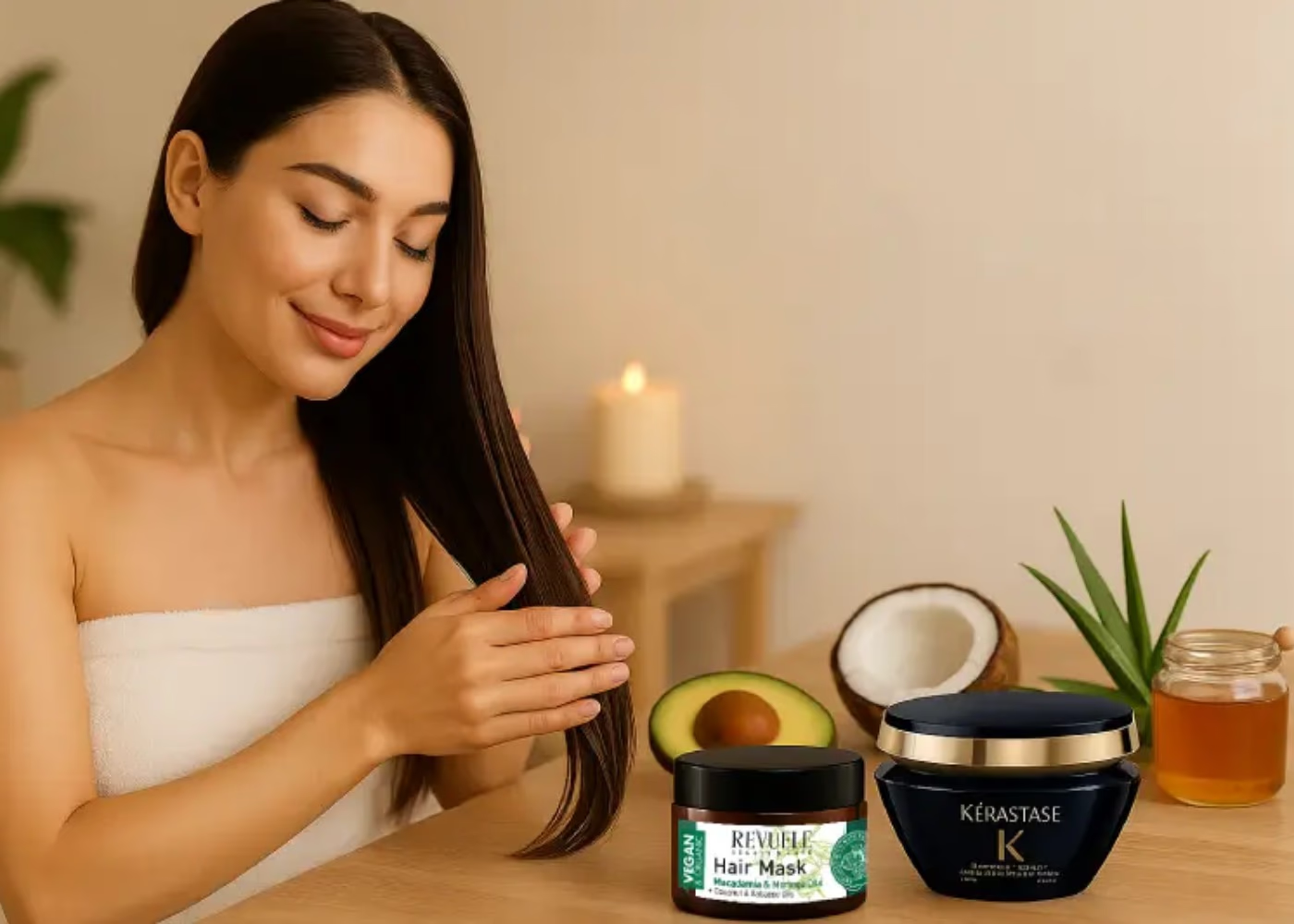
A lot of people wonder if a hair mask is really necessary or just another extra step in the social media-powered haircare journey. Truth is, the benefits of a hair mask show up the moment your hair feels too dry, frizzy, or just tired. Unlike conditioner, it goes deeper, giving moisture and repair at the same time. If you have ever asked what does hair mask do, it’s simple - it helps hair bounce back. Knowing when to use hair mask products makes the difference between dull strands and hair that actually feels healthy again.
What is a Hair Mask?
If you are not sure what a hair mask is, think of it as skincare, but for your hair. It’s a lot thicker than your regular conditioner and is loaded with nutrients, oils, and proteins that work much deeper into every strand. Instead of just coating the surface, it gets soaked into to repair your hair from the inside out. That’s really the key difference. When people ask what a hair mask does, the answer is simple - it hydrates, strengthens, and gives your hair a reset when normal products just aren’t enough.
Why You Need a Hair Mask in Your Hair Care Routine
A hair mask isn’t just a luxury; it’s more like maintenance. Daily washing, styling, and even weather stripping hair of what it needs most. Adding one into your weekly routine fills those gaps back in. If you’ve ever wondered when to use hair mask products, the answer is whenever your hair starts looking flat, frizzy, or weak. The benefits of a hair mask show over time - healthier texture, more shine, fewer bad hair days. Skipping it means your hair keeps running on empty, and eventually, you notice the damage.
Benefits of Using a Hair Mask
The benefits of a hair mask are obvious once you start using one. Hair feels softer, looks shinier, and handles heat or weather better. Masks do what a regular conditioner can’t - they reach deeper, filling in gaps and smoothing rough spots. Some people use them for growth, others just to calm frizz. Either way, once you’ve tried, it’s hard to skip.
re
Dry hair drinks up a mask fast. That heavy dose of hydration keeps strands from snapping and makes them easier to comb. People with colored or heat-styled hair usually notice the biggest change. It’s the kind of softness that regular conditioner doesn’t always give.
Repair and Damage Prevention
Straighteners, blow dryers, and sun damage add up. Masks step in as repair kits, patching weak areas and helping prevent more breakage. You won’t see it all at once, but over weeks, the split ends slow down. That’s really why many people stick with weekly use.
Improved Texture and Shine
A mask doesn’t just fix damage - it improves the look. Hair reflects light better, curls pop more, and straight strands feel smoother. It’s not magic, but you see the difference in the mirror right after rinsing.
Frizz Control
Frizz is usually thirst. Masks hydrate, so the cuticle stays flatter and strands don’t puff out. If you’ve ever battled flyaways in humid weather, you’ll notice mornings are easier after using one.
Enhanced Hair Growth
They won’t speed up growth, but they protect what’s already there. Stronger, healthier strands mean you keep length instead of losing it to breakage. Over time, that makes hair look thicker, so yes - indirectly, hair mask benefits do include growth.
Key Ingredients to Look for in a Hair Mask
When choosing a mask, the label matters more than the brand name. Oils hydrate, proteins repair, vitamins protect, and agents like ceramides keep the structure strong. Humectants hold water in, while botanical extracts add lightweight care. Once you know these terms, it’s easier to match a mask to what your hair actually needs.
Hydrating Oils
Coconut, argan, jojoba - these are common for a reason. They smooth rough strands and keep them from drying out. If your hair feels straw-like, oil-rich masks usually bring it back faster than anything else.
Proteins
Hair is protein, so adding it back makes sense. Keratin or silk proteins strengthen fragile spots. People with bleached or chemically treated hair often see the biggest difference - less snapping, more strength.
Vitamins and Antioxidants
Think of these as shields. B vitamins or vitamin E help hair handle stress from the sun and pollution. Antioxidants are quiet workers - you may not notice right away, but long-term, your strands look healthier.
Moisturizing Agents
Glycerin, shea butter, and even aloe. They keep water in the hair so it doesn’t dry out for a few hours after washing. In dry climates, these ingredients can be the difference between soft and straw.
Botanical Extracts
Aloe, chamomile, green tea - plants that soothe and refresh. These are good for sensitive scalps that can’t handle heavy formulas. They don’t just smell nice; they actually calm irritation too.
Humectants
Hyaluronic acid, panthenol - these pull moisture into the strand. On their own, they are not enough, but paired with oils, they make hydration last. Good if your hair dries out quickly.
Ceramides
Ceramides are like glue for the cuticle. They seal cracks, keeping hair elastic instead of brittle. You may not notice them working, but over time, the difference shows - less breakage, stronger strands.
Types of Hair Masks for Different Hair Needs
Hair masks aren’t a one-size-fits-all product. Dry, brittle strands need heavy creams, oily scalps do better with lighter, clarifying blends, dyed hair, on the other hand, need formulas that would lock the color in place, while curls require high moisture levels to keep their shape. And if you’re trying to grow hair out, strengthening masks matter more than anything. The trick is matching the mask to your main problem, not just grabbing whatever’s on the shelf.
For dry & damaged hair
Thick, buttery masks are best here. They drench strands in moisture and help stop that snapping sound you sometimes hear when brushing dry hair. If your ends feel like straw, this type usually makes the biggest difference first.
For oily scalp
Clay-based or balancing masks keep the scalp fresh without stripping it raw. They soak up excess oil, so you don’t feel greasy the next day. Ends stay soft, roots feel cleaner - that balance is the goal.
For color-treated hair
These masks are made to fight fading. They seal in pigment, add shine, and soften the dryness that bleach often leaves behind. Good ones almost make color look fresher than it did after the salon.
For curly/coily textures
Curls drink up moisture fast. Masks rich in shea butter or humectants keep them defined and less frizzy. After a few uses, curls spring back easier instead of hanging flat.
For hair growth & thickness
Growth masks don’t magically speed things up, but they do reduce breakage. Stronger strands mean you actually keep the length you gain. Over time, hair looks thicker, even if the growth rate stays the same.
How to Use a Hair Mask Effectively
Always start with clean, damp hair as dirty strands block absorption, then work the mask through mid-lengths and ends - away from the roots. Some people tend to finger-comb it in, while others use a wide-tooth comb for an even spread. Leave it on as long as the instructions say; you can even wrap it in a warm towel to help it sink deeper, though thicker hair would sometimes need more time. Rinse until your hair feels clean and no slippery coating is left. Most people do this once a week, but really dry hair might need it twice. The best tip is simple: pay attention to how your own hair reacts.
When Should You Start Using a Hair Mask?
There isn’t a perfect age or rule - it depends on your hair. If strands feel dry, tangled, or break easily, that’s your sign. People who style with heat, color often, or spend a lot of time in the sun usually notice the need earlier. Even healthy hair benefits from a mask every so often; it’s more about prevention than repair. Some start weekly treatments in their teens, others wait until their twenties or later. The simple answer: you start when regular conditioner doesn’t cut it anymore. That’s when the benefits of hair mask care really show.
Common Mistakes to Avoid When Using Hair Masks
Masks are simple, but people still get them wrong. Using too much is the first mistake - more product doesn’t always mean better results, it can just leave hair heavy. Another is applying only to the roots when it’s really the mid-lengths and ends that need it. Skipping the rinse is another common one; residue can weigh hair down or cause buildup. Timing matters too - leaving it on for five minutes when it says twenty won’t do much. And using the wrong mask for your hair type? That just wastes money. Reading the label carefully saves the most headaches.
Top Hair Masks to Try
When it comes to buying a mask that would give maximum benefits, a lot of options emerge, but with only a few standing out.
- Olaplex No.3 Hair Perfector is famous for repairing damage.
- Moroccanoil Intense Hydrating Mask packs in moisture, especially for dry climates.
- Briogeo Don’t Despair, Repair! Mask balances strength and softness.
For a budget-friendly pick, Garnier Fructis Hair Food Mask works surprisingly well. Each of these masks has its own share of fans, but the best one for YOU will depend entirely on your own hair’s needs.
Conclusion
Hair masks aren’t just another beauty trend - they are long-term care. From hydration to damage repair, shine, and frizz control, the benefits of hair mask use show up fast and add up over time. Choosing one comes down to knowing what is hair mask made to do and matching it to your concern. Whether it’s color-treated hair that needs protection, curls that crave moisture, or strands that just feel dull, there’s a formula built for it. Learning when to use hair mask treatments saves stress later. Start small, stay consistent, and healthy hair follows.
FAQs for Benefits of Hair Masks and Why You Need One
How often should I use a hair mask?
Once a week works for most. If your hair is really dry, maybe twice. More than that, and it just starts to feel heavy instead of healthy.
Can I leave a hair mask on overnight?
Depends on the product. Some masks are fine left longer, others really aren’t. If you do, keep it light and cover your pillow; otherwise, it will just become a mess to clean later.
Do hair masks help with hair growth?
Not directly, they don’t change how fast roots grow. But they stop breakage, so you actually keep the length you’ve got. Feels like growth when your ends finally survive.
Are hair masks suitable for all hair types?
Yes, but not the same one for everyone. Fine or oily hair needs something lighter, curly or coarse textures need heavier creams. Wrong type, and it just won’t feel right.
Should I apply a hair mask on wet or dry hair?
Damp hair, after washing, is usually best - clean strands take it in better. Some formulas say dry use, but that’s rare. Always easier to rinse from damp.
Can I use a conditioner after a hair mask?
Most don’t bother. Masks already act like a stronger conditioner. Adding another layer often just leaves hair flat, weighed down.
all blogs