


Best Herbal Supplements to Reduce Stress Naturally
Jan 13, 2026
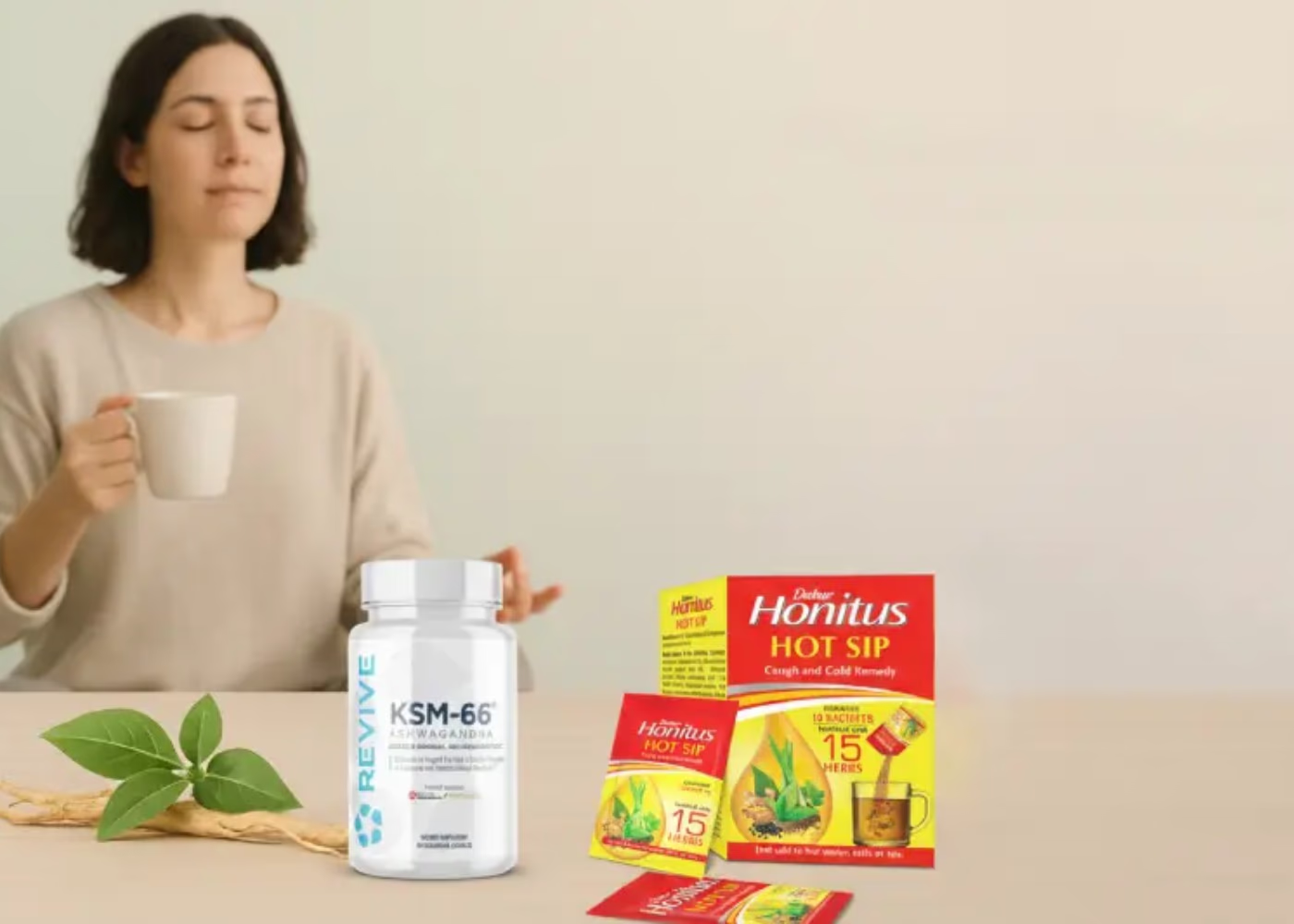
Stress shows up everywhere - late nights, bills, endless pings on your phone. You can’t just delete it. What you can do is help your body handle it better. That’s where herbal supplements for stress step in. Not chemicals, not a knockout pill, but plants people have leaned on forever. Roots, leaves, flowers that calm nerves without leaving you groggy. Some are famous (ashwagandha, chamomile), some you may have never heard of. If you’re hunting for the best supplement for stress, or even just a mild natural herbal stress reliever, these are where most people start.
Why Choose Herbal Supplements for Stress?
Quick fixes? Coffee, sugar, scrolling at midnight - we have all tried them. They don’t work for long. Herbal supplements go at it differently. Instead of forcing calm, they kind of nudge your system back into balance. Adaptogens like ashwagandha, calming herbs like chamomile, even blends with vitamins for stress mixed in. The point isn’t instant relief - it’s steadier moods, fewer spikes, better sleep. Natural herbal stress relievers take time, but they feel easier on the body. And honestly, that’s why more people reach for herbs before turning to stronger stuff.
Benefits of Herbal Stress Supplements
Here’s the thing: herbal supplements for stress don’t smack you with instant calm. They’re slower, steadier. More like a background shift than a dramatic change. People notice sleep improves, mornings feel lighter, and that constant buzzing in the head eases off. It’s not all in your mind either - herbs like ashwagandha and chamomile actually help balance stress hormones and soothe the nervous system. And because they’re gentler than heavy meds, side effects usually stay low. The best supplements for stress don’t erase life’s problems, but they do make them easier to carry without burning out.
Best Herbal Supplements for Stress Relief
Ashwagandha
Everyone throws this one out first. Ashwagandha is the steadying herb - it reins in cortisol, which spikes when you’re stressed. Stick with it a few weeks and most people feel calmer, sleep deeper, energy less jittery.
Rhodiola Rosea
Rhodiola’s a different vibe. Not about knocking you out, but keeping you going. It helps with focus, takes the edge off fatigue, and makes long stressful days feel more manageable instead of draining you dry.
Holy Basil (Tulsi)
Tulsi’s been in Ayurveda forever. Call it calming, grounding, balancing - it’s especially handy when stress shows up as endless worry or scattered emotions. It’s more gentle, more “steady nerves” than knockout calm.
Lemon Balm
This one’s softer. Lemon balm tea at night? Classic. But capsules work too. It smooths nerves, quiets anxious thoughts, and can turn restless nights into actual rest. Great if stress messes with sleep.
Valerian Root
Valerian is for the overactive brain at 2 a.m. It slows things down so you can drift off. Not everyone loves the strong taste, but as a supplement it helps shut the stress chatter down.
Passionflower
Passionflower feels like a pause button for nervous energy. It takes the edge off restlessness and racing thoughts. People often mix it with other herbs in teas - it blends well and keeps stress from boiling over.
Ginseng
This one’s a pick-me-up. Ginseng keeps you from feeling flat when stress is draining. It’s not “calm” in the same way as chamomile - more like steady stamina so you don’t burn out halfway through the day.
Lavender
You know the scent - oils, sprays, bath salts. But as a supplement, lavender also helps ease anxiety and tension. Not a knockout, but it takes the sharpness off when stress feels too loud.
Chamomile
Chamomile’s the classic wind-down herb. Evening tea, capsules, whatever form - it relaxes, smooths nerves, helps you breathe easier before bed. Simple, gentle, but effective. Sometimes the old basics really do the job.
Herbal Teas vs. Capsules vs. Tinctures
Herbal teas feel soothing just by holding a warm mug, but you’d need a few cups a day to get a strong dose. Capsules are more practical - quick, easy, no brewing. Tinctures sit somewhere in the middle: liquid drops you can add to water or tea, stronger than tea but faster to absorb than pills. Which one’s “best”? Depends on you. Some people like the ritual of tea, others want the convenience of a capsule. No single winner, just whatever form you’ll actually remember to take.
How to Choose the Right Herbal Supplement
Labels can be tricky. You want a brand that’s upfront about ingredients - no weird fillers, no mystery blends. If it’s third-party tested, even better. Start simple: one herb at a time, so you know what’s actually working for you. Dosage matters too as “more” doesn’t always mean “better”, so think about your goal - sleep, focus, less anxiety - and match the herb to that. And yeah, if you’re on meds or pregnant, it’s always safer to check in with a doctor first before tossing a new supplement into your routine.
Potential Side Effects and Precautions
“Natural” doesn’t mean risk-free. Even gentle herbs can mess with you if the dose is off. Valerian, for example, may leave you groggy in the morning. Ginseng can feel too stimulating if you’re already wired. And some herbs interact with meds - blood pressure pills, antidepressants, birth control. Allergies happen too. The key is starting small, watching how your body reacts, and not stacking five new things at once. Pregnant or nursing? Better to play safe and check with a doctor. Herbal stress relief is softer, yes, but it’s still powerful stuff.
Conclusion
Herbal stress supplements aren’t about escaping life. Bills, deadlines, arguments - they are not going anywhere. What herbs can do is take the edge off, calm the body, and make stress easier to live with. Ashwagandha, chamomile, lavender, tulsi… each herb brings a slightly different kind of support. They work best when paired with everyday basics like decent sleep, movement, and not drowning in caffeine. No miracle or overnight cure, just steady, gentle help. And for a lot of people, that’s enough to shift the day from overwhelming to manageable.
FAQs About Herbal Supplements for Stress
Are herbal supplements safe for daily use?
Short answer? Mostly, yes. Chamomile tea every night, tulsi in the morning - people have done it for centuries. Just don’t treat “herbal” as “unlimited.” Even plants can throw your system off if you double or triple the dose. Pay attention to how you feel, not just the label.
How long do they take to show results?
Not instantly. You won’t pop ashwagandha today and wake up zen tomorrow. For some folks it’s two weeks, others closer to a month. The changes are gradual - maybe you notice you’re not as restless at night, or mornings feel less heavy. It creeps up slowly, which is frustrating, but also kind of the point.
Can I take multiple herbal supplements together?
You can, but don’t turn your cabinet into a science lab. Mixing a couple - say, ashwagandha in the day and chamomile before bed - makes sense. Five at once? Now you’ve no clue which one’s helping or messing with you. Start small, add only if you actually need more support.
What’s better for stress herbal tea or capsules?
Depends who you are. Tea feels ritualistic - the act of brewing and sipping is calming on its own. Capsules? Faster, stronger, good for people who won’t make tea three times a day. There’s no winner here. It’s whatever you’ll realistically keep up with instead of forgetting on the shelf.
Should I consult a doctor before taking herbal supplements?
If you are on meds, pregnant, breastfeeding - yes, don’t skip that step. Herbs sound gentle, but some mess with prescriptions or hormones. Everyone else? It’s more common sense than paperwork. Start low, notice side effects, and stop if something feels off. And yeah, better safe than sorry if you are unsure.
all blogs