


Best Sources of Vitamin K in Food and Supplements
Jan 09, 2026
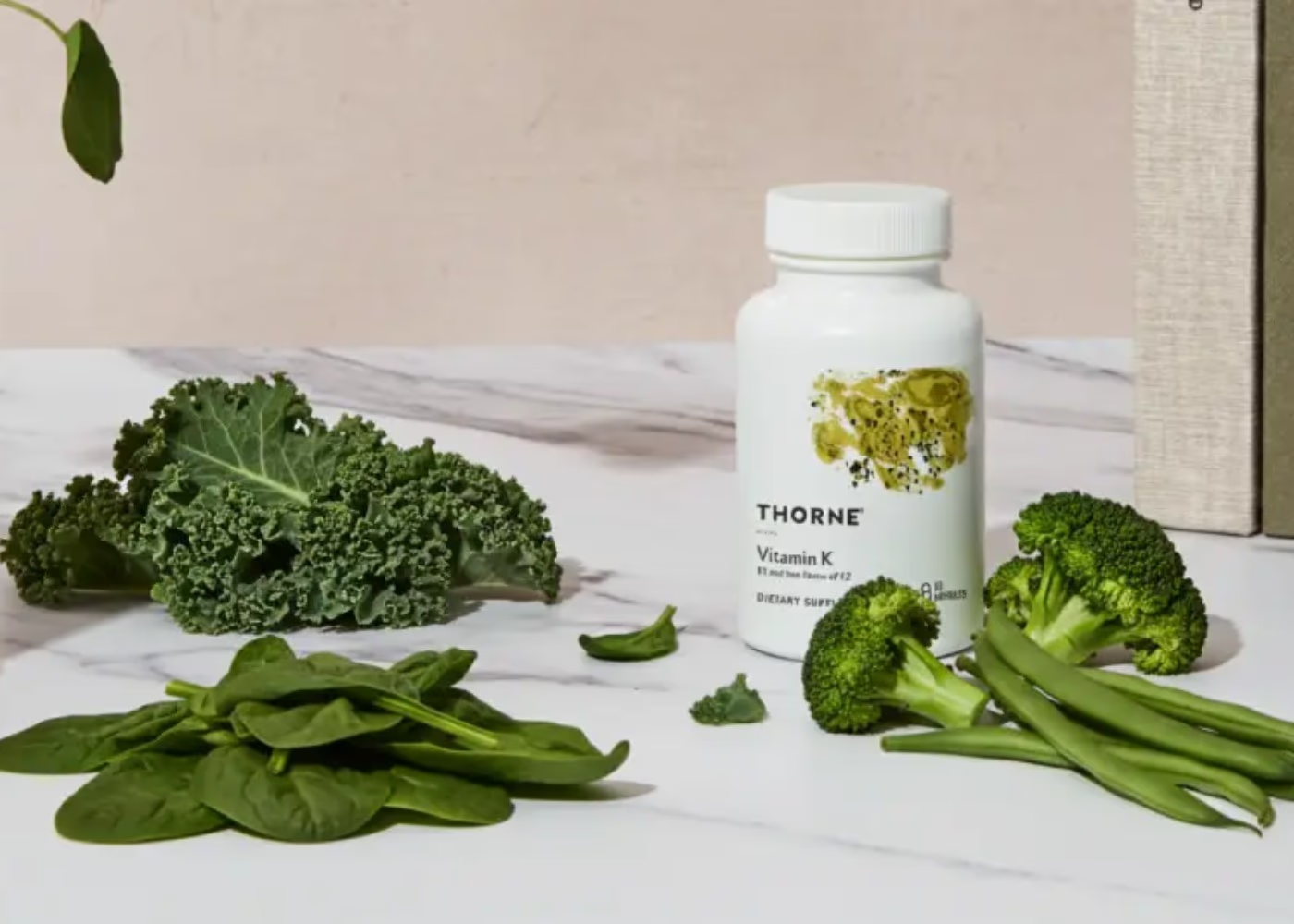
Most of the time, when people list important vitamins, K doesn’t even make the cut. Truth is, it does more than most realize. Vitamin K benefits touch blood clotting, bone strength, even bits of memory and heart health. You only really notice it when there’s a shortage - easy bruising, bleeding, weak bones. That’s when doctors may step in with vitamin K tablets or a vitamin K supplement. Deficiency isn’t super common, but it happens, and when it does, you see why this “quiet” vitamin matters.
What is Vitamin K?
So what is vitamin K anyway? It’s a fat-soluble vitamin, which just means the body holds on to it a bit longer, using it slowly when needed. There are two main forms - K1 from plants like spinach, and K2 from animal foods or fermented stuff. Both matter, but people usually don’t think about them until a doctor brings it up. The real job is simple: help blood clot, keep bones stronger, and stop calcium from ending up where it shouldn’t. Quiet but essential, and you mostly notice it only when something feels off.
Uses of Vitamin K
The uses of vitamin K go beyond just clotting. It’s the reason cuts stop bleeding instead of running on and on. Bones rely on it too - without enough, density drops, and fractures become more likely, moreover it works in the background with calcium so your arteries don’t harden. Some studies even hint at roles in memory and heart health, though that’s still early research. All of this is why you will see vitamin K tablets given to certain patients, and newborns as well in small dosages.
Health Benefits of Vitamin K
The benefits of vitamin K spread wider than most people guess. Sure, it’s best known for clotting, but it’s also tied to bone strength, memory, and even keeping blood pressure steadier. Skin and heart health show up in the list too. Not dramatic changes you’ll see overnight, but over time you notice the difference - less bruising, stronger bones, smoother recovery. It’s the vitamin that works in the background more than the spotlight.
Vitamin K prevents Blood Clotting
Cuts stop bleeding for a reason, and vitamin K is part of it. Without it, even small nicks could keep going longer than they should. It makes the proteins that kickstart clotting. You don’t think about it most days, but when levels dip, bruises show faster, and healing just feels slower.
Vitamin K stronger bones
Bones need calcium, sure, but vitamin K is what helps stick that calcium in place. Without enough, density slips, and cracks or fractures turn up easier. It’s one of those things you won’t notice week to week - until you trip, or bend wrong, and recovery takes longer than it should. Quiet support, but critical.
Vitamin K recovers episodic memory in older people
Some studies show vitamin K connects to memory - specifically the kind tied to daily events. In older adults, low levels often match up with weaker recall. It’s not a magic cure for aging, but keeping intake steady seems to help. Think of it as one more way the vitamin protects, quietly, beyond the obvious.
Vitamin K maintains blood pressure
Vitamin K guides calcium away from arteries, and that simple shift makes a big difference. Less buildup means smoother blood flow, and pressure doesn’t climb as quickly. It’s not the first tool doctors reach for in hypertension, but long-term, it plays a role. Another small piece in the puzzle of heart health.
Role in Skin Health and Anti-Aging
People use creams with vitamin K for bruises or redness. The vitamin helps skin bounce back, whether from small marks or everyday stress. Over time, it’s linked to elasticity too - keeping skin from looking tired too early. Not a miracle cream, but steady intake plus diet support makes skin hold its own longer.
Enhances Heart Health
When calcium hardens arteries, the heart works harder. Vitamin K helps stop that buildup, so circulation stays smoother. Studies point to better cardiovascular outcomes in people who get enough. It’s never just one vitamin that protects the heart, but vitamin K is part of that safety net your body depends on.
The Recommended Amount of Vitamin K
How much vitamin K you need largely depends on your age and gender. For adults, the range runs from 90 to 120 micrograms. Men usually aim higher, women slightly less. Most people can hit those numbers with greens, oils, and a varied diet. If the intake is low - or certain medicines interfere - vitamin K supplements fill the gap. The key isn’t mega-dosing, but getting a steady supply. Small amounts, every day, keep clotting, bones, and other systems ticking along without any complexities.
Vitamin K for Men
Men are advised to get about 120 micrograms daily. That’s enough to cover clotting, bones, and long-term heart support. It’s not hard if your diet includes spinach, broccoli, or kale. But if greens aren’t a daily thing, vitamin K tablets are often suggested to keep levels consistent and prevent slow dips that show up years later.
Vitamin K for Women
For women, around 90 micrograms a day is the standard. It supports bone health, especially after menopause when density drops faster. Clotting and heart health also benefit. Many women get enough through leafy greens and oils, but when diet slips, a vitamin K supplement makes sure the body doesn’t miss out on this quiet helper.
Causes of Vitamin K Deficiency
Vitamin K deficiency usually comes down to two big things: not having enough in the diet or not enough getting absorbed. Skip greens and healthy oils long enough, and levels dip. If the gut isn’t working right - like with Crohn’s or celiac - the body can’t use what is there. Medicines add another layer, for example, antibiotics wipe out gut bacteria, blood thinners block vitamin K activity. Babies are a special case - they are born with very low stores, so doctors step in early. Often, it’s not one neat cause but a mix building up quietly.
Prevent Vitamin K Deficiency
Truth is, stopping vitamin K deficiency isn’t complicated. Most people just need steady food sources - spinach, kale, broccoli, oils. Eat them often enough and you’re covered. If your gut doesn’t pull nutrients in properly, then supplements or tablets usually step in. Babies are a whole other story; they are born low, so hospitals give a shot right away. And for people on certain meds, especially long-term, it’s less about eating more and more about regular check-ups. The goal is not to overload but never letting the tank run empty.
Best Dietary Sources of Vitamin K
When people think of vitamin K foods, spinach usually pops up first. But the list is longer - broccoli, cooking oils, even eggs and cheese all play a part. Some give K1, others give K2, and the body uses both. It isn’t about chasing one superfood. What really works is mixing these sources into regular meals so levels stay steady without much effort or planning. That daily variety is what keeps deficiency away quietly.
Cruciferous Vegetables
Broccoli, cauliflower, Brussels sprouts - they pull their weight for vitamin K1. People cook them for fiber or because they feel “healthy,” but that vitamin is always tagging along. Steam, roast, toss them in noodles - it doesn’t matter much, the nutrient holds. You don’t need big plates either; even a couple servings here and there make a difference.
Animal Products
Egg yolks, butter, bits of cheese - these foods carry vitamin K2, though not in giant amounts. Fermented cheeses can surprise you with more. People rarely eat them thinking “I need vitamin K,” yet they still help. It’s not the main source, but in a mixed diet, these little extras add up more than most notice.
Plant Oils
Soybean, canola, olive - common kitchen oils that quietly bring vitamin K1. A spoon in salad dressing, a drizzle for cooking, and you’ve already had some. It’s steady rather than strong. Because oils show up in so many meals, the intake piles up without anyone really planning it. That background supply is often what keeps levels balanced.
Leafy Greens
Spinach, kale, collards - classic vitamin K foods. A single cooked portion nearly covers daily needs. Raw salads give some too, though cooking can help the body use it better. The point isn’t counting grams. It’s slipping greens into meals often enough. Do that, and they end up being the backbone of most people’s vitamin K intake.
Conclusion
Vitamin K works in the background, but the body depends on it constantly. Cuts heal, bones stay stronger, calcium goes where it should - all thanks to this quiet nutrient. Deficiency doesn’t appear suddenly; it builds if diet or absorption keeps failing. The upside? Preventing it feels simple. A mix of greens, oils, maybe a little cheese or eggs, and levels usually stay fine. In the UAE, these foods are already on most plates. Supplements have their place too, especially when health conditions or medications get in the way. Either way, it’s steady supply that matters, not megadoses.
FAQs About Vitamin K
What is the difference between Vitamin K1 and K2?
K1 is mostly in greens, oils - plant stuff. K2 hides in animal foods and fermented things like cheese or natto. Both matter, but the jobs split a bit. K1 takes care of clotting. K2 leans more toward bones and keeps calcium in place. Same family, but they don’t act the same way once inside the body.
Can I take vitamin K supplements daily?
For most people, yes, but not in “the more the better” way. Regular doses are fine if food isn’t enough. The thing is, if you’re on blood thinners, you really can’t just start them - interactions are real. Doctors usually want steady intake, not spikes. So daily can be safe, but it depends who you are and what else you are taking.
Is vitamin K safe during pregnancy?
In normal food amounts, yes. Leafy greens, oils, eggs - they’re fine. Supplements can be fine too, but pregnancy is one of those times you don’t guess. Doctors usually keep an eye on everything anyway - iron, folate, vitamin D - so K just joins that checklist. The point isn’t to load up, it’s to stay steady.
Does vitamin K interact with blood thinners?
It does, and that’s the catch. Both affect clotting, so if you change vitamin K intake suddenly, meds like warfarin can act unpredictably. One week of huge salads, then none - it throws the balance. Doctors usually say: keep it consistent, don’t make big swings. Supplements? Only if your prescriber signs off.
What foods are high in vitamin K2?
Natto has the crown here - it’s loaded. Then you’ve got fermented cheeses, liver, egg yolks. Smaller amounts, but they still add up. The tricky part is K2 doesn’t sit in obvious “healthy” food lists the way spinach does. People often get it without realizing it, through dairy or traditional dishes.
How do I know if I’m vitamin K deficient?
You might see bruises show faster, gums bleed when brushing, or little cuts that just don’t stop. Over months, bones can weaken too. It creeps in; it doesn’t slam you overnight. A doctor can run clotting tests to be sure. Symptoms are clues, but testing really confirms it.
Can I use vitamin K cream for dark circles?
Some swear by it, others barely notice a change. It seems to help bluish circles or bruising more than the shadowy type. The cream won’t erase them overnight - consistency matters. Patch test first, though. And even if it helps a bit, sleep and sunscreen still do more heavy lifting than any cream.
all blogs