


Best Vitamins for Hair Growth and Healthy Hair Tips
Jan 16, 2026
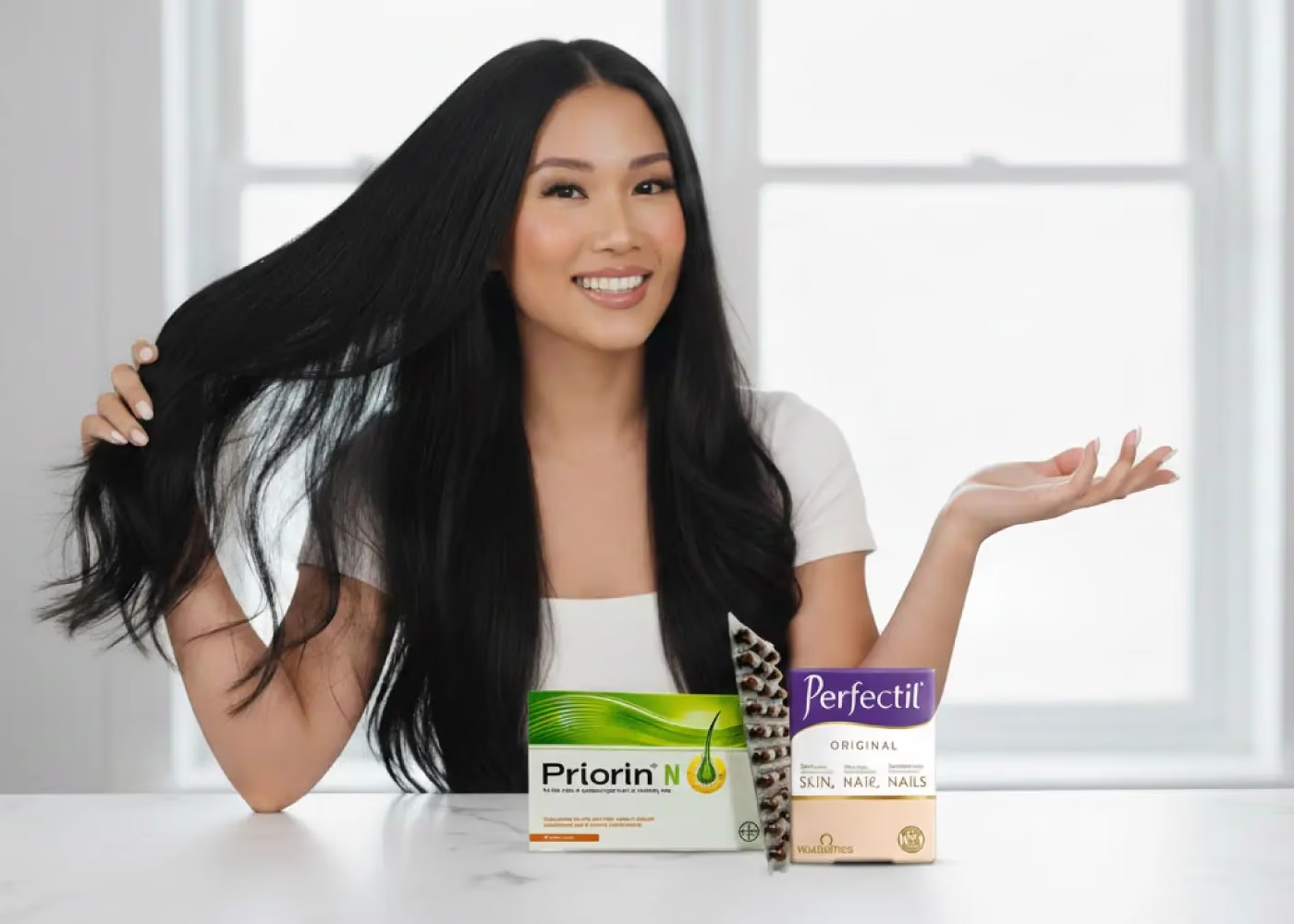
It’s strange how hair changes without warning. One month, it feels full and easy to manage, and then slowly, you start noticing extra strands on the floor or a little more dryness than usual. And that’s usually when people begin searching for which vitamin is good for hair, or wondering if something in their routine is missing.
Hair health depends a lot on what’s happening inside the body. Stress, diet gaps, low sleep, changing seasons - all of these show up in your hair long before your body sends any louder signals. So the idea of supporting hair with nutrients or checking what vitamins are good for hair isn’t about chasing trends; it’s about making sure your hair has enough of what it needs to grow normally.
This guide isn’t meant to overwhelm you with science. It’s more like a practical walk-through of nutrients, foods, and habits that actually influence growth and thickness. If you’ve wondered about hair growth vitamins or supplements that help with shine, strength, or fullness, you’ll get a clearer picture here.
Signs You Might Have Hair Vitamin Deficiency
People often wait for the “big” signs - major shedding, sudden thinning - but hair usually whispers before it shouts. Small changes can mean more than you think, especially if several happen together. Some of the earlier signs look ordinary, but they can point toward low levels of certain nutrients.
Here are a few that tend to show up:
●Hair feels weaker than you remember
●Strands breaking when wet
●Slower overall growth
●More strands on your pillow or during a shower
●Dullness that doesn’t go away with conditioner
●A dry or occasionally flaky scalp
●Ends are splitting faster than normal
Not every symptom means a deficiency, of course. But when the changes start stacking up, that’s when people begin thinking about vitamins for hair growth and thickness or whether they should adjust their diet. A lot of times, the body is simply running low on the essentials that help follicles stay active and strong.
Best Vitamins for Hair Growth
Biotin (Vitamin B7)
Biotin often gets mentioned first when people talk about best vitamins for hair growth. It supports keratin - the main protein in your hair - and helps the strands feel stronger over time. True biotin deficiency is rare, but when it does happen, hair tends to feel thin, dry, and more fragile than usual.
Vitamin D
A lot of people don’t realize how strongly Vitamin D connects to hair cycles. Low levels show up as increased shedding or hair that seems “stuck” and not growing much. If someone asks which nutrient they should check during heavy shedding, Vitamin D is usually high on the list.
Vitamin E
Vitamin E works more quietly. It helps the scalp’s environment, improves circulation, and supports healthier growth conditions. It’s not about fast growth - it’s about helping the scalp function better overall.
Vitamin A
Vitamin A helps your scalp produce natural oils, which keep hair from drying out. Too little can make hair brittle. Too much can cause shedding. It’s one of those vitamins where the middle ground matters.
Vitamin C
Vitamin C helps with collagen and improves iron absorption - two things hair relies on. If your strands feel weak toward the ends or snap easily, low Vitamin C can sometimes play a role without you noticing.
Vitamin K
Vitamin K supports circulation and helps nutrients reach the follicles properly. It’s not a “hair vitamin” directly, but it keeps the growth cycle supported.
Iron and Zinc
Iron is one of the biggest factors in hair fullness. Low iron is extremely common and often the reason people notice thinning. Zinc helps repair tissues and supports the scalp. When both are low, hair tends to look dull and fragile, which is why many best supplements for hair growth and thickness combine them.
Natural Foods Rich in Hair Vitamins
Eating for your hair sounds dramatic, but it’s honestly one of the easiest ways to support growth. A lot of people jump to supplements, but food gives your body a steady rhythm of nutrients - and hair reacts well to that kind of consistency. You don’t need a special diet; just the right things showing up regularly.
Some foods worth keeping around:
●Eggs - kind of the no-brainer here. Biotin, protein, all the everyday building blocks your hair quietly burns through. Most people eat them without thinking about it, but they actually help more than fancy products sometimes.
●Leafy greens - spinach, kale, the deep-green stuff. Whenever the color is that intense, you usually get iron and Vitamin C together. Hair loves that pair more than you’d expect.
●Fish - mainly the fattier ones. Salmon, sardines… even mackerel if you like it. They bring in Vitamin D and those healthy fats that make hair feel “alive” again instead of dry.
●Nuts and seeds - quick little handfuls you forget you ate. Almonds, walnuts, sunflower seeds. Mostly Vitamin E territory, but they help with overall shine too.
●Beans, lentils, chickpeas - kind of the unsung heroes. Plant protein, zinc, folate - everything slow-growing hair quietly needs but doesn’t ask for directly.
●Berries - if your hair keeps looking dull no matter what you do, antioxidants are usually the missing piece. Berries handle that part nicely.
●Citrus fruits - oranges, lemons, anything bright. Vitamin C helps your body use iron properly, and hair relies on iron more than people think.
You don’t have to eat everything in the same week. Realistically, most people rotate between three or four of these. It’s enough. And if you’re wondering what vitamins are good for hair, a lot of the answers already live in everyday foods that don’t need much effort.
Sometimes the problem isn’t the diet being bad - it’s just inconsistent. Hair likes consistency.
How Vitamins Impact Hair Growth Mechanism
Hair grows in cycles; it doesn’t just keep growing nonstop. There’s a growth phase, then a pause, then shedding, and then it begins again. Each stage needs something slightly different, which is why people searching for the best vitamins for hair growth usually end up finding long ingredient lists instead of just one “magic” nutrient.
A quick way to picture it:
● Your follicles need oxygen → that’s where iron matters.
● They need a steady energy supply → B vitamins take care of that.
● The strand itself is built from keratin → biotin helps with that part.
● If the follicle is “asleep” too long → low Vitamin D can be the reason.
● The scalp environment matters → Vitamin E helps circulation and balance.
●Zinc keeps the follicle tissue repairing itself properly.
●Vitamin C helps everything tie together by supporting collagen and helping iron absorption.
When one of these drops too low, the whole cycle gets out of sync. Maybe the hair comes out earlier than it should, or the new strand grows thinner, or growth slows without you noticing right away. That’s why the best supplements for hair growth and thickness usually include a blend - hair growth is a team effort, not a solo act.
It won’t change things overnight, but it does create the right conditions for stronger, steadier growth.
Tips for Healthy Hair’s
Healthy hair isn’t only about what you swallow or which bottle you buy - the day-to-day habits shape things just as much. You don’t need a complicated routine. Just some steady patterns your scalp and strands can rely on.
Balanced Diet
It’s surprising how much your hair depends on what you eat, but it does. Not in a dramatic “eat this and your hair grows tomorrow” way - more in a slow, steady, background kind of way. When meals are irregular or you skip things without realizing, your body uses nutrients for the important stuff first, and well, hair is never at the top of that list.
Protein, healthy fats, leafy greens - those are the basics. And surprisingly, those basics answer half the questions about which vitamin is good for hair without buying a single supplement. When your meals are balanced, the vitamins actually have something to work with.
Hydration
Water won’t turn your hair into something out of a commercial, but not drinking enough shows up faster than people expect. When the body is dehydrated, the scalp dries first. Then the ends follow. And once the ends start snapping, it feels like everything is “wrong” with your hair, even if the real problem was just not enough water.
Hydration keeps the whole system moving - nutrients, circulation, everything.
Scalp Care
Think of the scalp like soil. If it’s dry, irritated, or covered in buildup, nothing grows the way it should. Some people focus only on the strands and forget the base they’re growing from. A gentle massage in the shower, avoiding shampoos that strip too much, cleaning product residue - small things, but they change how well hair growth vitamins actually reach the follicles.
Healthy roots make the rest of the routine worth it.
Limit Heat Styling and Chemical Treatments
Heat is fine sometimes. Chemicals are fine sometimes. But constant exposure? That’s where you see frizz, splitting, or the “why does my hair look tired?” moments. If you’re focusing on thickness, reducing heat makes more difference than most people expect.
Stress Management
Some hair fall isn’t nutritional - it’s emotional. Stress hormones push follicles into the shedding phase early. This is why some people start searching for hair growth vitamins even when the real trigger was a stressful month.
Regular Trims
Trims don’t speed up growth, but they stop damage from climbing up the strand. Healthier ends make your hair look thicker even before supplements kick in.
How to Choose the Right Hair Vitamin Supplement
Choosing a hair vitamin is weirdly personal. People think there’s one best option, but honestly, it depends on what your hair has been doing lately. Hair gives clues, but they’re subtle, and most of us don’t notice them until things get worse. So before picking anything, it helps to pause for a second and look at which problem is showing up, not just “I need everything.”
Some rough ways people figure it out:
●Sometimes the shedding gets heavier for no clear reason - in those cases, Vitamin D or iron ends up being the thing that was off.
●Other times, someone’s hair looks fine but feels dull? Or flat? That’s where Vitamin E (and sometimes healthy fats) do more than people expect.
●If the strands are literally snapping - like breaking mid-length or right after a shower - that’s usually biotin or zinc being low. Vitamin C also plays into that because of how it helps with absorption.
●Dry scalp or flakes? That’s often a sign of not enough fat-soluble vitamins. A, D, K - any of those being low can show up there.
And you’ll notice something if you look at supplement labels: the blends marketed as the best supplements for hair growth and thickness always contain several vitamins together. That’s because hair doesn’t run on one nutrient. It’s more like a team project; if one member slacks, the rest can’t do their part properly.
When Should You Take Hair Supplements?
There isn’t a perfect “clock” for hair vitamins. What matters more is picking a time you won’t forget. Some people do mornings with breakfast because fat-soluble vitamins (A, D, E, K) absorb better with food. Others take their blend at night because their stomach feels calmer then.
If you’re using iron, try it earlier in the day - but not with coffee. Coffee blocks absorption more than people realize. And for hair growth vitamins, the real progress usually comes from taking them day after day rather than aiming for a specific hour.
Most people start noticing tiny changes around week three or four - sometimes just less shedding, hair feeling a bit stronger near the roots. Actual thickness is slower, but that’s normal for hair.
FAQs Vitamins for Hair Growth
Can I take too many hair vitamins?
Yes. More isn’t better. Some vitamins - especially A, D, E, and K - build up in the body if taken in excess. Too much can cause the opposite of what you want, including shedding.
What’s better - food or supplements?
Food first. Supplements fill gaps. Hair loves consistency, and meals give you a natural, steady supply of nutrients.
Are there any side effects of biotin?
Biotin is usually gentle, but in some people it can cause mild breakouts or interfere with certain blood tests. It’s rare, but worth knowing.
Do men and women need different hair vitamins?
Not usually. Hair grows through the same biological process in both. The difference is often hormones, not the vitamins themselves.
Can vitamins stop hair fall completely?
Not completely. They help reduce shedding caused by deficiencies, stress, or poor diet, but they can’t override genetics or medical conditions.
Does Vitamin D help with hair growth?
Yes - especially for people with low levels. Vitamin D supports the “wake-up” phase of the follicle cycle. When it’s low, shedding is common.
Conclusion
Sometimes hair improves with one small change, and other times it takes a mix of things. There isn’t one magic vitamin or one perfect routine - it’s more like a combination of steady habits that slowly add up. And once you understand which vitamin is good for hair, choosing becomes easier because you’re not guessing anymore.
That said… hair takes time. Weeks, not days. It grows slowly, even when everything is perfect, so don’t expect overnight changes.
Another thing people forget: food, sleep, stress, hydration - they matter just as much as supplements. If you ever feel confused about what vitamins are good for hair, it’s usually because your hair needs more than one thing at a time.
And honestly, the best approach is simple: support your body, be consistent, and don’t switch products every week.
Some people see less shedding first. Others notice smoother strands before thickness shows up. Whatever the order, the improvements come when your routine stays steady. So whether you use food, supplements, or a blend of both, just stay with it long enough for your hair to catch up.
all blogs