


Calcium: Health Benefits, Foods, and Deficiency
Jan 08, 2026
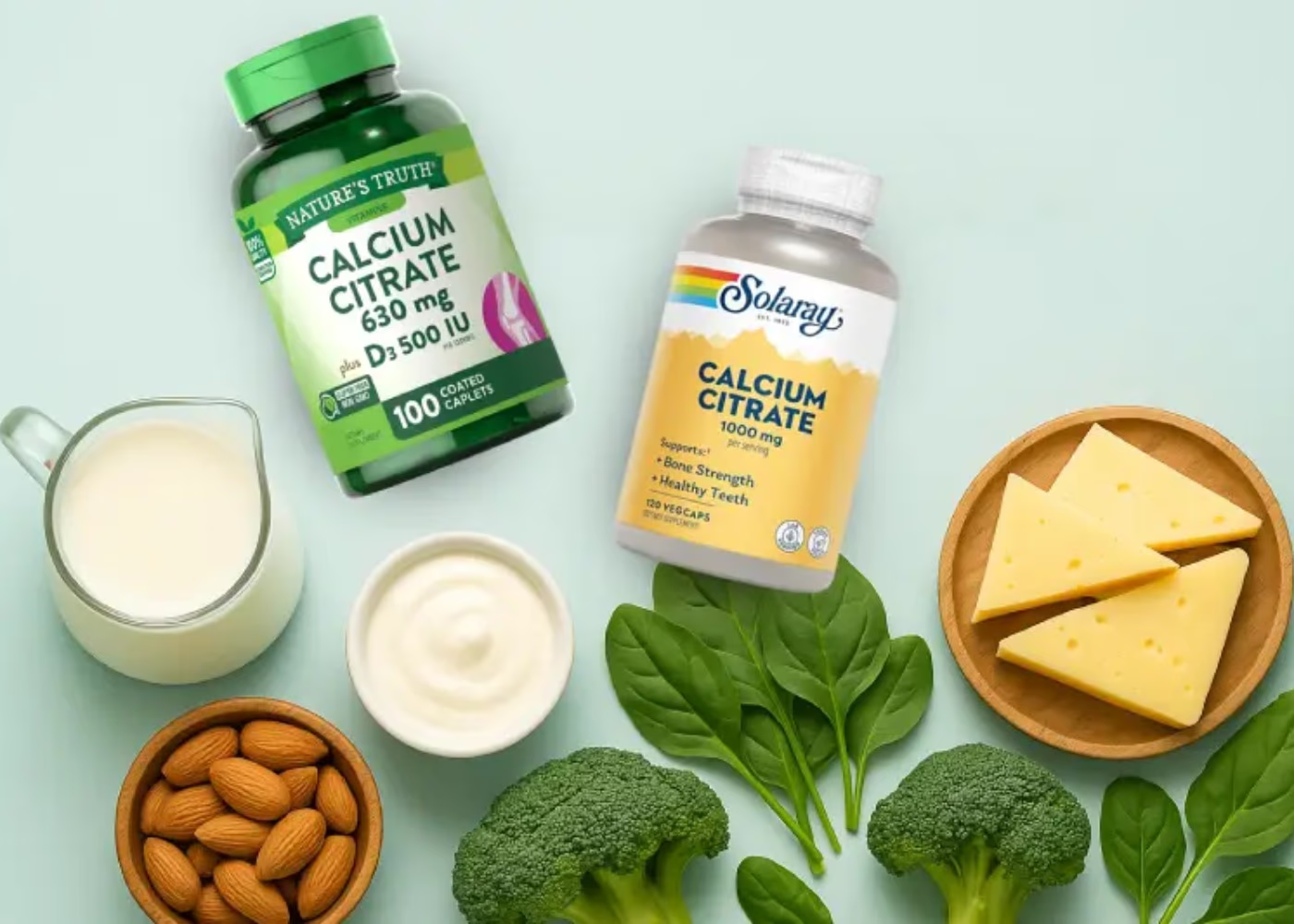
Most people know calcium is “good for bones,” but that’s only part of the story; the true health benefits of calcium touch muscles, nerves, and even the way your heart keeps rhythm. Miss it for too long, and problems creep in - sometimes quietly. You can get plenty from food, though many rely on tablets when diets fall short. If you’ve ever wondered why is calcium important, the answer is simple: it keeps your body moving, steady, and strong. Ignore it, and you’ll likely notice the difference sooner than you think.
Health Benefits of Calcium
The benefits of calcium show up in ways most people don’t notice until they’re missing it. Strong bones are the obvious ones, but muscles won’t move right, and the heart won’t keep rhythm without them either. Small shortages bring cramps or fatigue; long gaps make bones brittle. Some cover needs with food, others lean on the benefits of calcium tablets, but the body doesn’t care where it comes from - it just needs it daily.
Bone health
Bones act like a bank for calcium. When intake is low, the body pulls from that storage, leaving bones weaker over time. That’s why kids need it for growth, and older adults need it to stop fractures. Skip it long enough, and brittle bones are often the first clear warning sign.
Muscle contraction
Muscles only contract properly when calcium signals them. Without it, twitches or cramps show up - sometimes just annoying, sometimes painful. Athletes usually feel it fast, but anyone can. This lesser-known health benefit of calcium matters just as much as bones, since it’s tied to every movement you make.
Cardiovascular system
The heart relies on calcium to keep its beats steady. It also helps blood vessels contract and relax. Deficiency sometimes shows up here first as palpitations or odd rhythms. Doctors bring it up often when people ask why is calcium important - because without enough, the cardiovascular system simply doesn’t run smoothly.
Recommended Intake Value of Calcium
How much you need isn’t the same for everyone. Kids and teens need plenty to build mass, while adults generally sit around 1,000 mg daily. Women past 50 and men past 70 usually need about 1,200 mg, since bones thin faster. Pregnant or breastfeeding women also fall into the higher group. It sounds like a lot, but regular meals usually cover most of it - dairy, greens, or fortified foods. If the diet falls short, that’s when the benefits of calcium tablets come in. Doctors still say food first, but supplements are useful when gaps show up.
Best Dietary Sources of Calcium
You don’t need fancy supplements if your meals already cover it. Calcium benefits come through in everyday food - dairy is the obvious one, but not the only one. Greens, beans, nuts, even tiny fish bones all count. Fortified products fill gaps for vegans. The trick is mixing a few sources daily instead of banking on one.
Dairy Products
Milk, yogurt, cheese - basic but reliable. They deliver a big hit of calcium, and the body absorbs it well. For many people, a single serving covers most of what’s missing. It’s the simplest way to keep bones steady without thinking too hard about it.
Leafy Greens
Spinach, kale, bok choy - they all add to intake. Spinach isn’t absorbed as well, but if eaten often, it still helps. For anyone skipping dairy, greens take on extra weight in the diet. They’re not huge sources, but they’re steady.
Fortified Foods
Plant milks, breakfast cereals, and juices often have calcium added. Labels vary, so checking matters. For vegans, this is usually the easiest way to cover daily numbers. Without fortified foods, hitting intake through plants alone can be tough.
Nuts and Seeds
Almonds, sesame, chia - these add small but steady amounts. Not a game-changer on their own, but handy in snacks or sprinkled over meals. Plus, you get healthy fats alongside the calcium, so the benefit stretches further.
Fish with Edible Bones
Sardines and canned salmon stand out. The soft bones inside are loaded with calcium, and you eat them whole. One serving covers more than you’d expect. Bonus - you are also getting omega-3s at the same time.
Legumes and Pulses
Chickpeas, beans, lentils - moderate calcium, plus protein and fiber. They’re affordable, versatile, and eaten often enough; they make a difference. Vegetarians especially lean on them to keep intake steady.
Signs and Symptoms of Calcium Deficiency
Low calcium sneaks up. First, it’s cramps or tingling in fingers, later it’s appetite loss or uneven heart rhythm. Long-term, bones weaken faster than they should. Some people only realize after a fracture. That’s why catching early signs matters. For some, the benefits of calcium tablets come in here, but food fixes it if you act in time.
Loss of appetite
Hunger fades, energy dips. On its own, it’s easy to ignore, but tied with weakness, it signals something deeper. Calcium runs many processes - when it’s short, appetite often takes the hit first.
Irregular heart rate
Skipped beats, palpitations - sometimes mild, sometimes worrying. Calcium helps keep the rhythm steady. Without it, the system wobbles. Doctors bring this up often when people ask why is calcium important because the heart depends on it daily.
Numbness or tingling in fingers
That pins-and-needles feeling without reason? Low calcium can be behind it. The nerves misfire when levels drop. Feels harmless at first, but if it keeps repeating, that’s a clear signal to get checked.
Weakness or muscle cramps
Probably the most common sign. Muscles seize, twitch, or feel heavy. Athletes pick it up fast, but anyone can. It’s your body reminding you it needs more calcium before even simple movements feel harder.
Causes of Calcium Deficiency
Low calcium sneaks up for different reasons. Sometimes it’s just diet - people skip dairy or don’t touch fortified foods, and numbers fall short. Other times, the body can’t pull calcium out of food properly, like with celiac or Crohn’s. Age makes it harder, too, since absorption naturally slows down. Certain meds interfere, and women after menopause lose more than they keep. It’s rarely one single cause; usually, it’s a mix, and that is why popping tablets isn’t always enough; you need to know why levels are dropping in the first place.
Who Needs More Calcium?
Not everyone needs the same amount, and some groups run short faster. Kids and teens burn through calcium while bones are still building. Pregnant or breastfeeding women share their supply, so their needs increase. Women after menopause lose bone density quickly, and men over 70 face the same risk. Vegans or people who can’t do dairy? They often struggle unless they plan carefully. Even athletes forget that bones under pressure need support. That’s why the benefits of calcium tablets get mentioned a lot - it’s about filling gaps when food alone can’t cover the extra demand.
Tips to Improve Calcium Absorption
Getting calcium in is one thing; actually using it is another. Some small habits make a big difference.
Pair calcium-rich meals with vitamin D.
Split intake through the day instead of one large dose.
Too much coffee or alcohol? It cuts absorption.
Movement helps bones pull in more, so stay active.
Supplements can help, but piling on extra supplements won’t always work better.
Conclusion
Calcium is one of those nutrients you don’t think about until something feels off. Bones ache, cramps show up, or heartbeats feel odd. That’s when people finally ask why is calcium important. The answer: because the health benefits of calcium touch everything from strength to steady rhythm. Food - dairy, greens, fish, legumes - should always come first, but the benefits of calcium tablets fill gaps when diet slips. Start paying attention early, not after problems build. Consistency over years, not weeks, is what keeps the difference showing later in life.
FAQs About Calcium for Health Benefits
How much calcium do I need daily?
Most adults land around 1,000 mg. Women after 50 and men over 70 usually need closer to 1,200 mg. Kids and teens? Higher, too, since bones are still building.
Can I get enough calcium from a vegan diet?
Yes, but it takes planning. Leafy greens, beans, nuts, and fortified foods all add up. Skip those, and it gets tricky fast.
What’s the best time to take calcium supplements?
Usually with meals. Food helps absorption. Some people split doses throughout the day, since one big hit isn’t used as well.
Are there any side effects of taking too much calcium?
Yes. Kidney stones, constipation, and even blocking other minerals if you push past the limit. More isn’t always better here.
How do I know if I’m calcium deficient?
Early signs look small - cramps, tingling fingers, fatigue. Long-term, bones get weaker. A blood test is the only sure way to know.
Is calcium more important for women than men?
Women face bigger bone loss after menopause, so intake matters more then. But men still need steady amounts, it’s not just a woman’s issue.
What age should I start worrying about calcium intake?
Honestly, sooner than most think. Bone mass peaks in your twenties. What you do before that sets the stage for decades.
all blogs