


Easy Winter Hair Care Tips for Strong and Shiny Hair
Mar 19, 2026
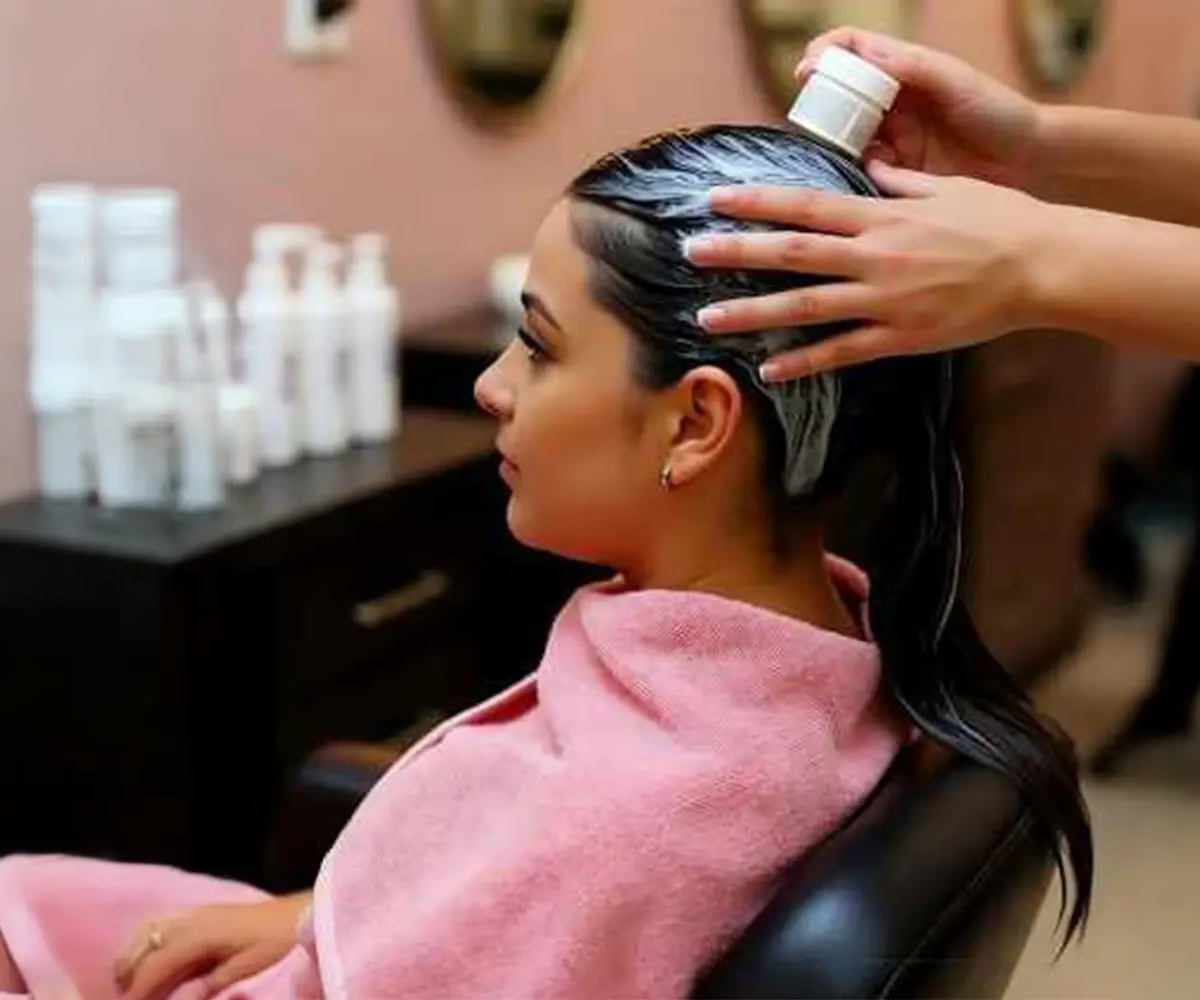
As the temperature drops, it isn’t just your skin that feels the bite of the cold—your hair often bears the brunt of the season too. Winter brings a combination of harsh outdoor winds and dry indoor heating, creating a recipe for brittle strands and a flaky scalp. Many people notice their hair becomes static-prone, dull, and increasingly difficult to manage as soon as the frost sets in. However, with a few strategic adjustments to your routine, you can protect your locks from the elements and maintain a salon-like shine all season long.
Why Hair Needs Extra Care In Winter?
Winter is notoriously tough on hair because of the lack of humidity in the air. When the air is dry, it draws moisture out of the hair shaft, causing the protective cuticle layer to lift and become jagged. This leads to rapid moisture loss, stubborn tangles, and split ends. Furthermore, the transition between freezing outdoor temperatures and the dry, artificial heat of our homes causes the hair to expand and contract rapidly. This "thermal shock" weakens the protein bonds in the hair fibers over time. Without extra care, the scalp can also become dehydrated, leading to "winter dandruff" and a persistent, uncomfortable itch.
Top Winter Hair Care Tips for Healthy, Shiny Hair
Massage Your Scalp
A regular scalp massage is one of the easiest ways to boost hair health. Cold weather can constrict blood vessels and slow down circulation. By massaging your scalp for five minutes daily, you stimulate blood flow to the follicles, ensuring they receive the oxygen and nutrients needed for strength.
Combat Dandruff with the Right Care
"Winter dandruff" is often caused by a dry scalp rather than a fungal infection. Avoid using harsh, medicated shampoos daily, as they can strip away essential moisture. Instead, look for soothing ingredients like aloe vera or panthenol that calm irritation without over-drying the skin.
Use a Gentle Shampoo
Switch to a sulfate-free, moisturizing shampoo during the colder months. Sulfates are heavy detergents that can leave hair feeling like straw when the environment is already dry. A creamy, gentle formula will cleanse the scalp without compromising your hair’s natural lipids.
Avoid Frequent Heat Styling
Blow dryers, curling irons, and straighteners add more heat stress to already fragile winter hair. If you must style your hair, always apply a high-quality heat-protectant spray and try to use the "cool" or lowest heat setting possible to minimize moisture evaporation.
Use Cold Water for Cleansing
While a steaming hot shower feels amazing in January, it is disastrous for your hair. Hot water opens the cuticle and strips the natural oils. Always rinse your hair with lukewarm or cool water to "seal" the cuticles, which helps lock in hydration and adds a natural, reflective shine.
Brush Your Hair Regularly
Use a wide-tooth comb or a natural boar-bristle brush. Regular, gentle brushing helps distribute the natural sebum from your scalp down to the parched ends of your hair, providing a natural protective coating against the dry winter air.
Wear a Hat (With a Secret)
A hat acts as a physical barrier against wind and snow. However, be mindful of the material; wool and acrylic can cause friction, breakage, and static. To prevent "hat hair," wrap your hair in a silk or satin scarf before putting on your winter beanie.
Best Time to Oil Your Hair in Winter
In winter, the most effective time to oil your hair is 30 to 60 minutes before a shower. This acts as a "pre-poo" treatment, creating a hydrophobic layer that prevents the shampoo from stripping away too much internal moisture. For deeper repair, applying a tiny drop of lightweight oil to the very ends of damp hair after a wash can help seal in hydration.
Best Hair Oils for Winter and Why
Coconut Oil
Rich in medium-chain fatty acids, coconut oil penetrates the hair shaft more deeply than most other oils. It provides a heavy-duty conditioning effect that is perfect for repairing visible winter damage.
Argan or Almond Oil
Often called "liquid gold," Argan oil is lightweight and non-greasy. It is packed with Vitamin E and antioxidants, making it the best choice for adding a finishing shine and taming static-prone flyaways.
Castor Oil
If you are worried about seasonal hair thinning, castor oil is excellent for strengthening the roots. Because it is very viscous, it is best used when mixed with a lighter carrier oil like almond or jojoba oil.
Mustard or Sesame Oil
These are considered "warming" oils in traditional hair care. They help improve localized circulation to the scalp and are particularly effective at treating deep-seated dryness and flakiness.
Simple Winter Hair Oiling Tips
● Warm the Oil: Never apply cold oil in winter. Gently warm your oil blend in a bowl of hot water before application to help the cuticles absorb the nutrients.
● Focus on the Ends: The ends are the oldest and driest part of your hair; give them double the attention you give your roots.
● Don't Over-Saturate: Using too much oil requires multiple rounds of shampoo to wash it out, which defeats the purpose. A single tablespoon is usually enough for mid-length hair.
How to Choose the Right Shampoo for Winter
Look for labels that specify "Moisturizing," "Hydrating," or "Nourishing." Avoid clear, "clarifying" shampoos, which are often too aggressive for winter use. Instead, opt for pearlescent or opaque formulas that contain humectants like glycerin or natural oils like avocado and jojoba. Ensure the product is pH-balanced to keep your hair cuticles flat and smooth.
Conclusion
Winter doesn't have to mean three months of brittle strands and bad hair days. By shifting your focus from "cleaning" to "protecting," you can shield your hair from the dehydrating effects of the cold. Incorporating gentle cleansing, regular oiling, and avoiding excessive heat will keep your strands resilient. Treat your hair with a little extra kindness during the frost, and it will reward you with strength and shine all year long.
FAQs of Winter Hair Care Tips
How often should I wash my hair in winter?
Try to limit hair washes to 2–3 times a week. Over-washing in winter leads to a dry, itchy scalp and makes hair more prone to breakage.
Are hair masks helpful during winter?
Yes! A deep-conditioning hair mask used once a week is essential for replenishing the moisture lost to indoor heating and cold winds.
How can I reduce hair fall during winter?
Keep your scalp hydrated with oils and avoid tight hairstyles. Since winter hair is more brittle, it snaps easily under the tension of tight elastics.
Is it okay to oil my hair during winter?
Absolutely. Oiling is more important in winter than any other season to prevent the scalp from becoming dehydrated and flaky.
How do I care for dry hair during the winter season?
Switch to a moisturizing routine, use a leave-in conditioner, and avoid washing with hot water. Using a humidifier in your bedroom can also help keep your hair hydrated while you sleep.
all blogs