


Exfoliating Too Frequently? Tips to Avoid Common Mistakes
May 27, 2025
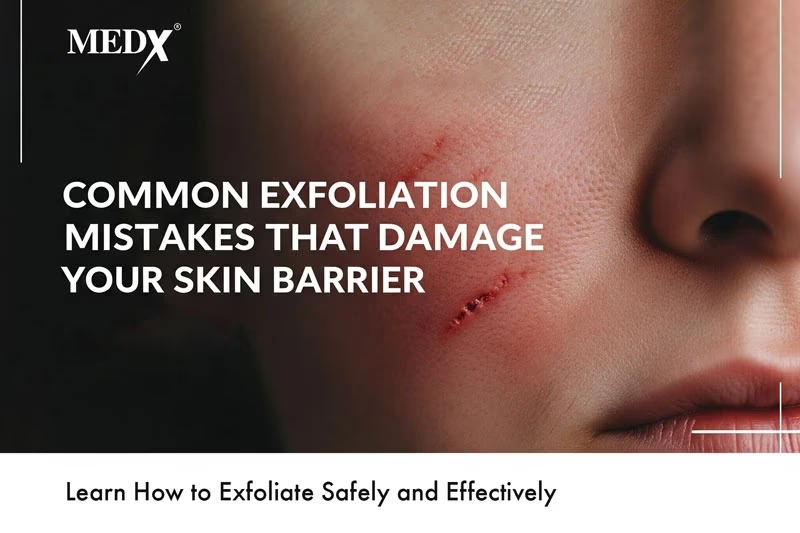
Exfoliation makes for an important step in skincare to achieve smooth and glowing skin. It is equally essential that you exfoliate right or you may damage the delicate and natural skin’s barrier. When done gently, exfoliation improves skin texture and prevents clogged pores. The skin barrier, called the stratum corneum, is the outer layer of the skin that retains moisture and protects from environmental aggressors. Any compromise to the skin barrier may cause dryness, irritation, sensitization, and other skin concerns. This article discusses the most common exfoliation mistakes that impact the skin barrier adversely with suggestions that are safe and effective.
Over-Exfoliating: A Good Thing Gone Bad
Over-exfoliating is one of the most common mistakes people make with exfoliation. It happens when people exfoliate too much, use powerful products, or layer several exfoliating ingredients at once. More often than not, people think, "If I exfoliate more, I get better results," but the skin needs rest for the proper regeneration process to build up. The regenerative system is hindered due to over exfoliation, leading to thinning of the skin's protective layer resulting in dehydrated and inflamed skin.
- Signs of Over-Exfoliation:
Persistent redness - Tightness or stinging upon application
- Flaking or peeling skin
- Breakouts and irritation
Best Practice: Limit exfoliation to once to thrice weekly, depending on skin type and strength of the product used. The skin knows best when to scale down; thus, if any irritation appears, do so. Remember that tolerance should gradually be built up, especially for potent chemical exfoliants. Start with something mild like Pure Beauty Exfoliating Moisturizing Soap 70gm, which offers daily exfoliation without overdrying.
Using Harsh Physical Scrubs
Physical exfoliants with large coarse particles cause micro-tears in the skin. They're found in common beauty products too, like crushed walnut shells and apricot pits. They are so harsh that these physical scrubs may rip apart your skin barrier every time you use them.
Why This Is Harmful
Though the micro-tears caused by these scrubs are invisible to the naked eye, inflammation arises, leading to a state of excessive sensitivity. When the skin is damaged, it becomes prone to bacteria and loses moisture, eventually making the barrier incapable of recovery.
Best Practice: Always choose gentle physical scrubs with smooth and rounded particles such as jojoba beads, or seek exfoliants with a milder variation. Use only gentle pressure while applying them and avoid exfoliation if not necessary.
Skin Type Ignorance
Different types of skin need varied exfoliation approaches. For instance, oily and acne-prone skin may benefit from salicylic acid (BHA), as it has properties that penetrate deeper and clear out the pores. Dry or sensitive skin can probably take lactic acid (AHA) better as it is milder and has hydrating properties. The wrong type of exfoliant can trigger irritating and barrier-disrupting reactions.
- Examples:
Sensitive skin reacts badly to glycolic acid. - Dry skin becomes flaky from overuse of salicylic acid.
Best Practice: Create an exfoliation routine that targets the skin's needs. If you're not certain, a dermatologist may help with a milder formulation. Ensure you perform patch tests when introducing new products to prevent unwanted side effects.
Skipping Moisturiser after Exfoliation
Exfoliation may strip off some natural oils from the skin. Not following up with moisture may lead to dry skin, prone to environmental damage. Poor moisturization can slow the healing of the skin barrier.
Why is moisturizing important?
Hydrate to restore the lipid layer while calming any irritation caused by exfoliation. Moisturizers containing ingredients such as ceramides can help repair the skin's barrier.
Best practice: After exfoliation, apply a hydrating serum and a nourishing moisturizer. Ingredients such as hyaluronic acid for water retention, ceramides for barrier support, and niacinamide for calming inflammation should be on the lookout. Moisturex Soft Cream 100g will help restore hydration and assist in the recovery of your skin's barrier.
Mixing Too Many Active Ingredients
Using too many active ingredients together, such as exfoliating acids, retinoids, and vitamin C, places an added burden on the skin. There are benefits to each, but using them all together, especially in combination with an exfoliant, could irritate and damage the skin barrier.
Common Overload Scenarios:
- Glycolic acid and retinol together on the same night.
- Physical exfoliant + acid peel.
Best practice: Alternate actives and space their application throughout the week. Exfoliate one night, then apply retinol the next, and finish with hydration-oriented products. Where possible, buffer strong activities within a moisturizer to mitigate irritation.
Forgetting Sunscreen After Exfoliation
Exfoliation increases sun sensitivity, thereby resulting in sunburn, hyperpigmentation, and further degradation of the barrier. The skin becomes extremely photosensitive after chemical exfoliation.
Effects of UV Exposure:
- Exacerbated inflammation
- Discolored skin
- Premature aging
- Higher incidence of skin cancer
Always use broad-spectrum sunscreen (SPF 30 or above) in the daytime, particularly after exfoliation. Reapply every 2 hours while in direct sunlight. For additional protection, don a wide-brimmed hat and seek shade when the sun is strong.
Using Expired or Improperly Stored Product
Expired exfoliants would not only lose effectiveness but could also be contaminated by bacteria or chemicals that worsen skin irritation. Similarly, improper storage, such as exposure to sunlight or heat - impairs the stability of active ingredients and magnifies the problem of safety and efficacy.
- Possible Issues:
Unforeseen allergic reactions - Breakouts
- Accelerated barrier damage
- Oxidation of actives (e.g., vitamin C)
Check for expiration dates and keep skin care products cool, dry, and away from sunlight. Discontinue using any product that changes color, consistency, or odor. Sensitive formulations can be kept in airtight, opaque containers to maximize integrity.
Exfoliating Through Broken or Inflamed Skin
Exfoliating compromised skin could therefore perpetuate the cycle of inflammation and delay healing. Repair is also impaired by inflammation, which causes damage to the skin over a longer period.
- What This Causes:
Prolonged redness - Exacerbated pain
- Scar formation potential
- Wound healing delay
Do not exfoliate until the affected area is healed. Ingredients to look for: aloe vera, calendula, or Centella Asiatica.
Not Switching Your Routine With The Changes In Seasons.
The changes in seasons affect the needs of your skin. For colder months, dry and sensitive skin is common due to low humidity levels or indoor heating. The warmer months are characterized by increased oil production as well as sweating, thus leading to clogged pores. The same routine for exfoliation all year round would be quite the opposite of beneficial.
- Seasonal Challenges:
Winter: Enhanced dryness, sensitivity, and flakiness. - Summer: Greater risk for sun damage post-exfoliation & increased breakouts.
During winter, reduce exfoliation and rely more on hydration. Rich moisturizers and barrier creams should be used, while in summer, lightweight, non-comedogenic exfoliators should be favored with an emphasis on sun protection.
Never Assume
Some feel that the tingling or burning sensation in the skin indicates that the exfoliant is working. This sensation is usually a warning that the exfoliant might be too aggressive for your skin if the sensation is prolonged and causes pain.
- What Tingling Can Mean:
Irritation - Disruption of the barrier
- Onset of reaction
- Possible allergic reaction
Mild tingling sensations can be normal with certain acids, especially for first-time users; however, burning sensation or prolonged discomfort is not. If a product causes pain, wash it off immediately and make necessary adjustments.
If done properly, exfoliation can do wonders for your skincare regime. Skin needs and gentle care, combined with consistency, are the secrets to this process. Avoiding common exfoliating errors nurtures the skin barrier, keeping skin healthy, strong, and luminous. When in doubt, pare it down and consult a qualified and experienced dermatologist for your needs. Healthy skin begins with educated choices and consistent loving care.
all blogs