


Exploring the Benefits and Uses of Calcium Tablets with Side Effects
Aug 06, 2025
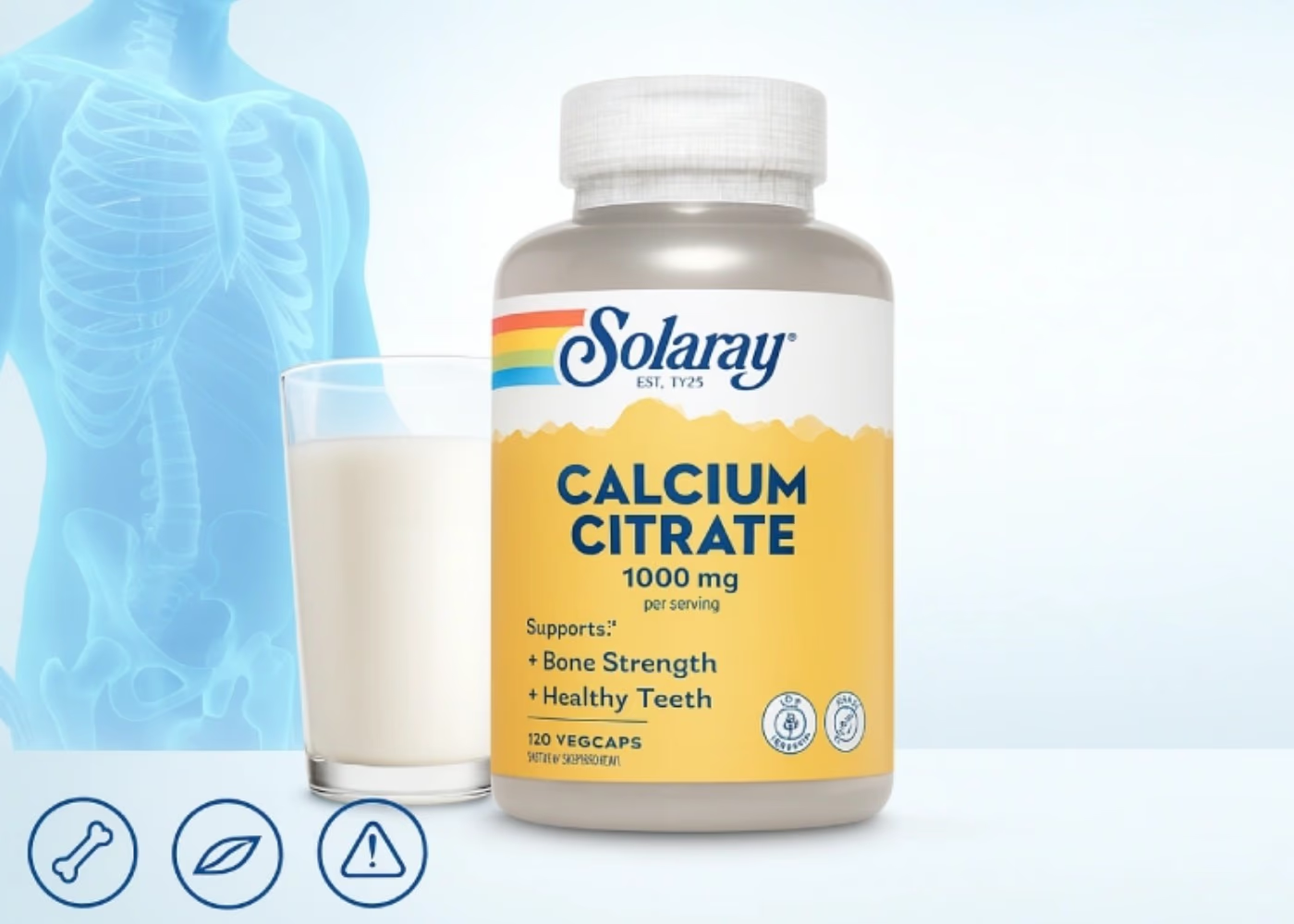
People often think of calcium as just a “bone nutrient,” but honestly, that’s only scratching the surface. If you've ever wondered what is the function for calcium, the answer includes your bones, yes - but also your muscles, your heart, your brain, and even how your blood clots. It's a multitasker.
For many, a regular diet doesn’t offer enough of it. That’s where calcium tablets or supplements come in. They’re not just a backup - for some people, they’re essential. But taking them blindly isn't ideal either. It’s important to understand when you need them, what does calcium help with, and whether there are any side effects you should be aware of.
This piece explores all of that - and breaks down calcium vitamins benefits in everyday terms.
What is Calcium?
Let’s start at the base. Calcium is a naturally occurring mineral - a very vital one, too, which is found all over your body, mostly in bones and teeth, but a small amount also circulates in your blood - playing a huge role in keeping your organs working.
If you’re asking, what is the element calcium used for, here’s a short but comprehensive list - bone strength, muscle contraction, nerve signalling, hormone release, and blood clotting. So basically, every time you move, breathe, or simply think - calcium is involved.
It’s one of those nutrients we don’t think about until there’s a problem. Low calcium? You might feel cramps, fatigue, even brittle nails. Long-term deficiency? That’s where things like bone thinning come into play. So, what is calcium good for? A lot more than you’d guess.
Why Calcium is Important for the Body
Let’s get to the heart of the matter - calcium and why is it important? Because it’s what keeps your skeleton strong and your body functioning well.
Your bones act like a calcium storage bank. When your blood runs low on calcium (say from not eating enough dairy or leafy greens), your body quietly pulls it from your bones to keep vital functions going. That’s how you start losing bone density, even without any symptoms at first. This is where ‘how does calcium help the bones’ becomes a serious question, especially as you age. After your 30s, your body starts losing more bone than it builds and calcium becomes critical.
Now, the health benefits of calcium also depend on who you are. There are specific calcium benefits for men, like better muscle recovery and support for heart function. For women, especially post-menopause, calcium benefits women in maintaining bone strength when oestrogen levels drop.
So, the benefits of taking calcium go well beyond avoiding fractures - they’re about helping your body stay balanced and supported in ways you might not always notice.
Common Sources of Calcium
Getting the right amount of calcium your body needs from your daily meals is as easy as it sounds. Here’s where to look:
Dairy Products
Milk, cheese, and yoghurt are some of the richest natural sources. A single cup of milk can deliver a large chunk of your daily calcium needs.
Tofu and Tempeh
These plant-based staples are packed with calcium, including the special kind of calcium-set versions. A great choice for vegans or those cutting back on dairy.
Nuts and Seeds
Almonds, chia, and flaxseeds are small but mighty sources of calcium. They offer good health benefits of calcium while adding crunch and flavour to meals.
Fish
Canned sardines and salmon (with bones) provide excellent calcium benefits for men and women alike - plus, you get a bonus dose of omega-3.
Fortified Orange Juice
Many brands fortify orange juice with calcium. If you're not a fan of dairy, this is a tasty and easy way to boost intake.
Beans and Legumes
Kidney beans, white beans, and lentils not only offer plant protein - they’re also underrated for their calcium vitamins benefits.
Broccoli
This green veggie does more than support digestion. A cup of steamed broccoli brings surprising calcium benefits women might overlook.
Figs
Dried figs make for a sweet snack that quietly supports bone health thanks to a solid calcium content.
Sesame Seeds
Sprinkle them on salads, noodles, or toast - these tiny seeds pack a punch in what is the element calcium used for.
Benefits of Calcium Tablets
So, what makes supplements so appealing? Here’s how calcium tablets support your body when daily food intake isn’t enough.
Strong and Healthy Bones
The most obvious role - how does calcium help the bones - is by keeping them dense, strong, and less prone to fractures.
Dental Health
Teeth are bones too. What is calcium good for if not strong enamel and fewer dental issues?
Muscle Function
From simple movements to workouts, what does calcium help with includes proper muscle contractions and preventing cramps.
Nerve Function
For your brain to send signals smoothly, nerves need calcium. A lack may lead to tingling or numbness.
Cardiovascular Health
Benefits of taking calcium extend to heart function too - it helps blood vessels contract and relax effectively.
Preventing Calcium Deficiency
When food doesn’t cut it, supplements help close the gap. That’s part of the broader calcium why is it important conversation.
Convenience and Consistency
No time to plan meals? Supplements offer a way to ensure you're still reaping the calcium vitamins benefits.
Dietary Flexibility
For those with restrictions or allergies, the health benefits of calcium can still be met without dairy.
Who Should Consider Taking Calcium Supplements?
Certain groups may need an extra push to reach their daily calcium goals. If you fall into any of these categories, talk to a doctor:
- Postmenopausal women - calcium benefits women during this stage by offsetting bone loss.
- Vegans and those with dairy allergies
- People on steroid medications
- Elderly adults at risk for osteoporosis
- Individuals with vitamin D deficiency (since it supports calcium absorption)
If you’re wondering how does calcium help the bones as you age - it’s critical. So much so that supplements might be your best backup plan.
Possible Side Effects and Precautions
Though helpful, calcium supplements aren’t for everyone in high doses. Here are a few things to watch for:
- Constipation or bloating: Common when starting out
- Kidney stones: Too much calcium, especially from supplements, can contribute
- Medication interactions: Calcium can interfere with certain antibiotics and thyroid meds
To avoid overdoing it, always check the dosage and consider getting your levels tested. The benefits of taking calcium only stand when it’s done right.
Conclusion
So, what is calcium good for in the end? Well… a lot. From helping bones stay strong to keeping muscles and nerves in sync, calcium quietly supports you daily. It doesn’t shout for attention - but if you skip out on it, your body will notice. That’s why understanding calcium - why is it important isn’t just textbook stuff. It matters.
Not everyone needs supplements. But when your meals miss the mark, the benefits of taking calcium tablets come in, specially how they’re easy and take the guesswork out of nutrition. Plus, the health benefits of calcium go beyond bones - they impact energy levels, heart rhythm, even how your muscles recover after a long tiring day.
Whether you're introducing tablets or just rethinking your meals, knowing what does calcium help with would make it easier to decide what and how much your body really needs.
FAQs About Benefits and Uses of Calcium Tablets with Side Effects
Can I take calcium tablets every day?
If your diet doesn’t give you enough, yes - it’s okay to take them daily. Just be sure not to double up without reason. After all, what is the function for calcium isn’t about excess. It's about support, not overload.
What is the best time to take calcium supplements?
Some people take them with food, others split the dose morning and night. You’ll find what works best. The key is consistency. To get the most calcium vitamins benefits, avoid taking them with high-iron meals.
Do I still need calcium if I drink milk daily?
You might. A glass or two may not cover the full requirement - especially as you age. So, if you're wondering what is calcium good for beyond just dairy, remember: it’s in bones, teeth, muscles… and your entire system.
Can calcium supplements cause weight gain?
They don’t directly. Sometimes people feel fuller or slightly bloated, but that’s usually temporary. Calcium doesn’t store as fat. And in fact, one of the lesser-known calcium benefits for men and women is improved metabolism.
Should calcium be taken with or without vitamin D?
Vitamin D helps your body absorb calcium better. That’s why many supplements come with both. For those focused on calcium benefits women need during menopause - or anyone working on bone strength - it’s a powerful combo.
all blogs