


Frizzy Hair: What Really Causes It (and the Products That Actually Tame It)
Jul 20, 2026
You step outside, and within minutes your smooth blowout has puffed up into something else entirely. That's not bad luck. Frizz has three real causes, genetics, hair damage, and humidity, and in the UAE the last one is relentless. Here, humidity isn't an occasional inconvenience. It's the daily baseline, which is why a routine built for a temperate climate rarely holds up. The moisture in the air forces its way into each strand, swells it, and lifts it away from the smooth line you started with.
What Causes Frizzy Hair?
Frizz comes from three things working together. Your genetics set the hair's natural shape and how porous it is. Damage from heat, colour, or harsh washing roughens the outer cuticle so it can't lie flat. Humidity then pushes moisture into that raised cuticle and swells the strand. Most heads of frizzy hair are some mix of all three, not just one.
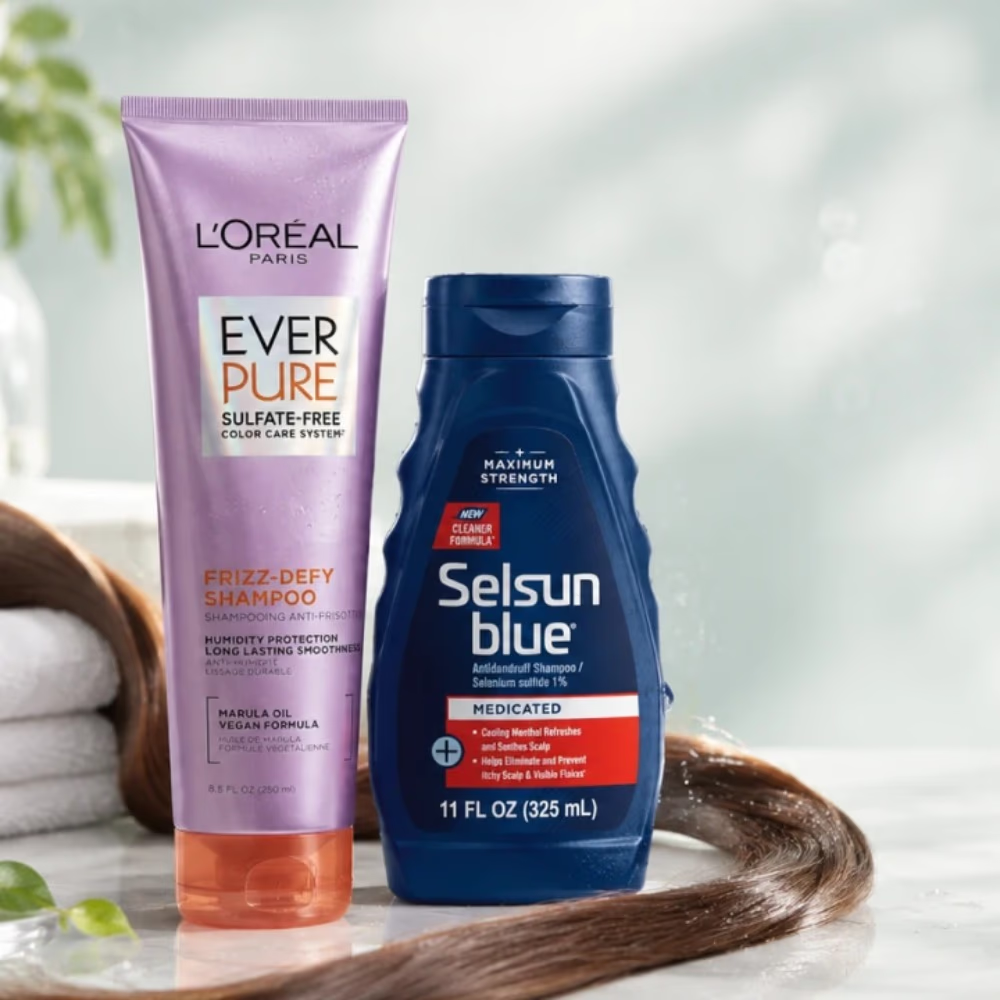
Genetics is the part you can't change. Curlier and coarser hair types have a naturally raised cuticle and tend to be more porous, so they lose and absorb moisture more easily. That's why frizz often runs in families and shows up more on certain hair textures. Damage is the part you can. Every hot tool pass, bleach session, and wash with a harsh shampoo lifts and wears down the cuticle. Sulfate shampoos in particular strip the natural oils that keep the cuticle sealed, so hair cleaned too aggressively frizzes faster. Swapping to a sulfate-free formula like EverPure's Frizz-Defy shampoo is one of the simplest ways to stop adding to the problem with every wash.
Why Does Humidity Make Frizz So Much Worse in the UAE?
Humidity is the single biggest frizz trigger, and the UAE runs humid for most of the year. Water molecules in the air slip into the hair and break and reform the hydrogen bonds that hold each strand's shape. The strand swells, the cuticle lifts, and smooth hair turns fuzzy. The more humid the air, the stronger the effect.
Here's the part that matters for anyone living in the Gulf. In a temperate climate, a humid day is an occasional event you can ride out. Along the coast here, humidity often sits well above 60%, closer to the default than the exception, especially through the summer. So the standard advice written for London or New York, treat frizz as a seasonal problem, quietly fails, because your hair is fighting that moisture almost every day. Color Wow's chief chemist describes the mechanism the same way, humidity disrupts the bonds inside the hair and forces it to swell. The fix isn't a one-off product for bad-hair days. It's a routine that holds up against constant humidity.
Does Sulfate-Free Shampoo Actually Help With Frizz?
Yes, and the reason is porosity. Sulfates are harsh detergents that strip your hair's natural oils along with the dirt. Without those oils, the cuticle stays raised and porous, which lets humidity in faster. A sulfate-free shampoo cleans more gently, leaves the protective oils in place, and keeps the cuticle flatter, so less moisture gets in to cause frizz.
Porosity is the quiet factor most frizz advice skips. Porous or damaged hair absorbs more humidity and frizzes faster than healthy, low-porosity hair, so the drier or more processed your hair, the more it gains from a gentle wash. If you've tried anti-frizz serums and still frizz within hours, the shampoo underneath may be undoing the work. A serum can't hold a smooth cuticle if every wash is stripping it back open. Fix the cleansing step first, then the leave-in products actually have something to hold onto.
What Should an Anti-Frizz Routine Actually Include?
A frizz-resistant routine does three jobs. It cleans gently, seals the cuticle, and blocks humidity. That means a sulfate-free shampoo, a conditioner or leave-in with humectants and silicones to smooth and coat the strand, and a heat protectant whenever you style. Skip one step and you leave a gap humidity walks straight through.
Step | What It Does | What to Look For |
1. Wash | Cleans without stripping the natural oils | Sulfate-free shampoo |
2. Condition | Smooths and seals the cuticle | Conditioner or leave-in with silicones and humectants |
3. Protect | Shields the hair from heat damage | Heat protectant before any hot tool |
4. Style | Locks in the smooth finish | Anti-frizz serum or cream on damp hair |
The order matters as much as the products. Cosmetic chemists point to silicones and humectants as the workhorses here. Silicones coat the strand and act as a physical barrier against outside moisture, while humectants draw just enough water to keep hair soft without over-saturating it. Together they smooth the surface and slow humidity down. Finish with a heat protectant before any hot tool, since unprotected heat is one of the fastest ways to create the very damage that causes frizz in the first place.
Can Heat Styling Make Frizz Worse Long-Term?
Yes. Heat styling is a slow, compounding cause of frizz. Every straightener or dryer pass on unprotected hair weakens the cuticle a little more, and a worn cuticle can't lie flat or hold moisture out. Over months, that becomes hair that frizzes even on low-humidity days, because the damage is now built in.
This is the frustrating loop. You heat-style to smooth frizz today, and the heat quietly raises your porosity, so tomorrow's frizz is a little worse and needs a little more heat. Breaking the loop doesn't mean giving up hot tools. It means always using a heat protectant, keeping the temperature moderate rather than maxed out, and giving your hair heat-free days when you can. The healthier your cuticle, the less humidity gets in, and the less you have to fight frizz in the first place.
Is Your Scalp Part of the Problem?
Sometimes, yes. A flaky, itchy scalp doesn't cause frizz directly, but flaking and product buildup coat the hair near the roots, making it look duller and feel rougher, which reads as frizz. If your frizz comes with visible flakes or an itchy scalp, treating the scalp can improve how the whole length looks.
This is the check most frizz routines skip. Flaking and buildup sit on the hair shaft and disrupt the smooth surface you're working to create. A medicated option like Selsun Blue uses 1% selenium sulfide to help control the flaking and itching that come with dandruff. It won't change your hair's texture, but a clean, calm scalp gives your anti-frizz products a better surface to work on. If you're not sure whether it's dandruff or something else, what's actually causing dandruff and which ingredients treat it walks through the signs and the ingredients that address them.
Frequently Asked Questions
How do you get rid of frizzy hair permanently?
You manage frizz rather than remove it for good. Because humidity and genetics are always in play, no product permanently eliminates frizz. What works is a consistent routine, gentle cleansing, a cuticle-sealing conditioner, and humidity protection, that keeps it controlled day to day. Salon smoothing treatments reduce it for a while, but they grow out.
Does frizzy hair always mean my hair is damaged?
No. Damage is one of three causes, alongside genetics and humidity. Naturally curly or coarse hair frizzes because of its shape and porosity, not because anything is wrong with it. Healthy hair still frizzes in high humidity. Damage makes it worse, but it isn't the only reason.
Why does my hair still frizz even after using anti-frizz products?
Usually the shampoo underneath is undoing them. A sulfate-heavy wash strips the oils and reopens the cuticle, so a serum applied afterward has nothing smooth to seal. Constant humidity also overwhelms lighter products. Start with a sulfate-free shampoo, then layer your anti-frizz product on top.
Does a silk pillowcase actually help with frizz?
It helps a little. Cotton creates friction against your hair overnight, roughing up the cuticle so you wake with more frizz. Silk or satin lets hair slide instead, reducing that friction. It won't fix humidity frizz on its own, but it's a low-effort way to lose less ground while you sleep.
Is frizzy hair the same as dry hair?
They overlap but aren't identical. Dry hair lacks moisture and often frizzes because a parched, porous cuticle absorbs humidity fast. Well-hydrated hair can still frizz in high humidity, though, and hair with an oily scalp can still be frizzy at the ends. Treating dryness helps, but it isn't the whole answer.
How often should I wash frizzy hair?
Less often than you might think. Over-washing strips the oils that keep frizz down, so two to three washes a week suits most frizz-prone hair better than daily washing. On non-wash days, refresh with water or a little leave-in rather than reaching for shampoo again.
Can a flaky scalp make my hair look frizzier?
Yes. Flakes and buildup coat the hair near the roots and roughen its surface, so the length looks duller and frizzier than it is. Clearing a flaky, itchy scalp with a medicated shampoo often makes the whole head look smoother, even though the scalp treatment isn't changing the hair's texture.
Frizz You Can Actually Control
Frizz in a humid climate isn't a losing battle. It only feels that way when you're using a routine built for weather that behaves differently. Once you match the routine to constant humidity, with gentle sulfate-free cleansing, a cuticle-sealing conditioner, heat protection, and a scalp that's actually healthy, frizz becomes something you manage rather than fight. Start by switching to a sulfate-free, humidity-resistant shampoo, and check whether your scalp is quietly part of the picture. Both fixes are in stock for UAE delivery from MedX.
all blogs