


Hair Loss: Best Supplements To Promote Growth
Jan 13, 2026
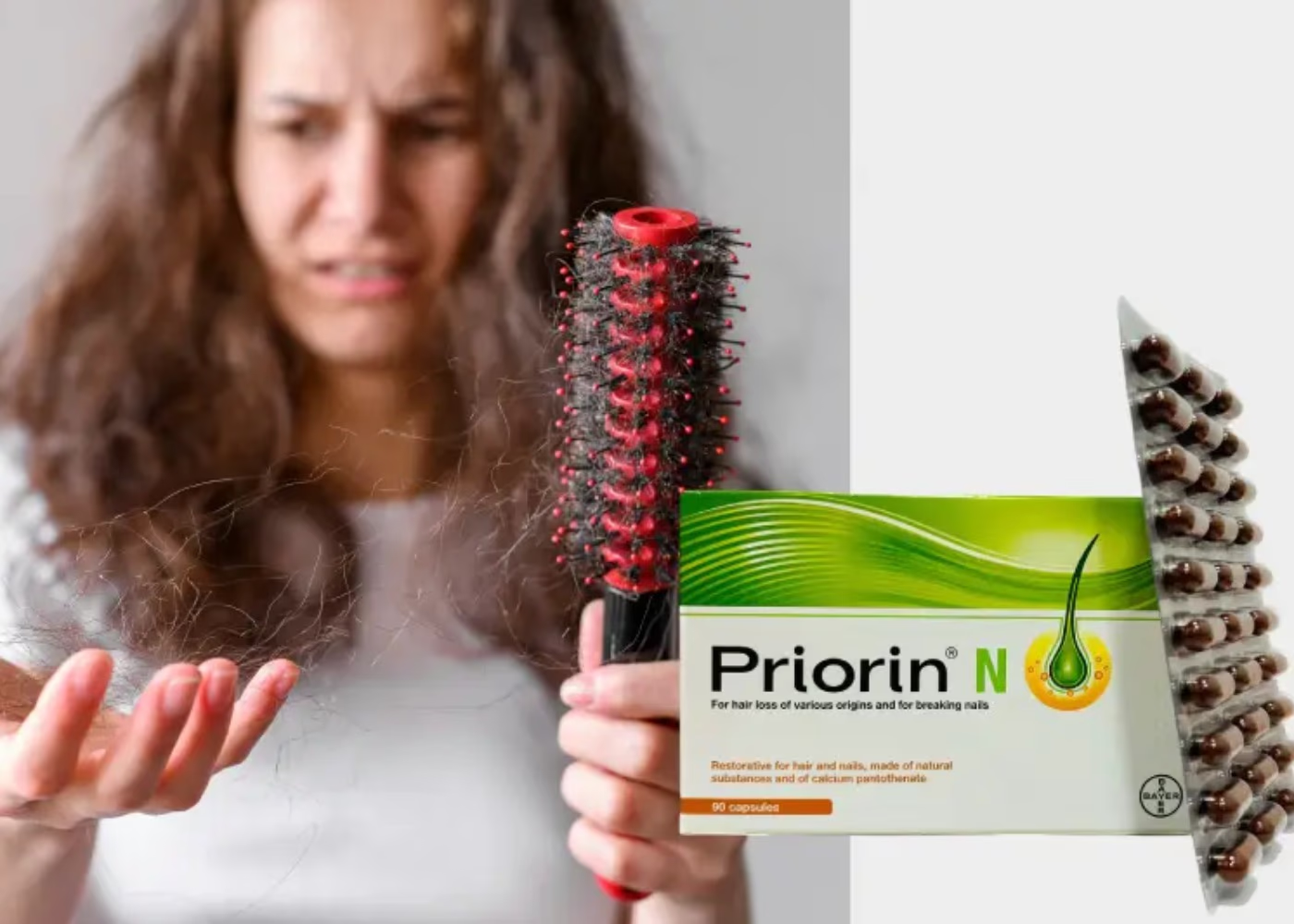
Losing hair feels unfair, right? One day the brush looks normal, next week it’s full. And it’s not only about looks - it messes with confidence too. Sometimes stress or hormones are the trigger, but food and nutrients sneak in as quiet players. That’s where vitamins for hair growth come in. Not magic pills, but extra fuel. Biotin for hair loss gets the spotlight a lot, but other nutrients matter just as much. If you’re asking which vitamin is good for hair, the answer would entirely depend on what your body’s been running low on without you noticing.
What Causes Hair Loss?
There isn’t a single neat answer. For some, it’s stress that refuses to let go. For others, it’s hormones shifting gears, or a family history that catches up. Then diet joins the list - low iron, not enough vitamin D, even skipping meals can quietly show up on your scalp. Over-styling and heat tools? They don’t help either. You might notice shedding after exams, after childbirth, or even during seasonal changes. Truth is, by the time thinning feels obvious, know that it has been building up for some time. That is usually the point when people start looking at supplements and lifestyle tweaks together.
How Do Hair Growth Supplements Work?
They don’t grow hair overnight, but what they do is feed the roots, the little factories under your scalp that need constant fuel. Miss out on protein, vitamins, minerals - hair shows it. Breaks easier, falls quicker. Supplements for hair growth? They step in where food slips. Biotin, iron, vitamin D, a few others. Nothing flashy. Just steady support. Some improve blood flow, some calm the shedding, some help new strands hang on longer. Not instant. But with time? You start noticing less in the shower drain.
Best Supplements to Promote Hair Growth
Everyone asks, which vitamin is good for hair? Biotin gets shouted first, but it’s not the lone hero. Collagen’s like scaffolding. Vitamin D wakes lazy follicles. Iron keeps oxygen moving so hair doesn’t quit halfway. Zinc balances hormones. Vitamin E protects from damage you don’t even see, and omega-3s stop the scalp from drying and itching. Put them together and you’ve got backup on all fronts. Not a miracle. Just a slow rebuild. Hair looks stronger, feels thicker. Less breakage, more staying power. That’s what these hair loss vitamins really bring to the table.
Biotin
Biotin for hair loss gets hyped everywhere. And sure, it helps - it’s the vitamin that keeps your body turning food into fuel, and hair’s part of that chain. Run low and strands turn weak, maybe even start shedding more than usual. A lot of shampoos brag about biotin, but honestly, it works better when it comes from inside. Eggs, nuts, whole grains - good sources. A supplement just makes it easier if your diet’s all over the place.
Collagen
Think of collagen as the glue. It holds things together - skin, nails, and yes, hair too. When collagen dips, strands lose their bounce, feel thinner. Supplements don’t magically glue hair back, but they give your body the raw stuff to repair and strengthen. Powder, capsules, whatever form, it all breaks down into amino acids. That’s what your follicles grab onto when building stronger strands.
Vitamin D
Low vitamin D? Hair follicles can get stuck in “rest mode.” That’s why people see shedding when their levels crash. A supplement helps wake them up again, nudging hair into its growth phase. Sun’s the main source, but let’s be real - not everyone’s outside enough. Vitamin D tablets or drops just fill that gap when sunlight (or diet) doesn’t cut it.
Iron
Iron’s about oxygen. No iron, no energy, no strong hair. Deficiency shows up as thinning, sometimes diffuse, not just patches. Women especially run low, which is why doctors often check iron first if hair’s falling. Meat, beans, spinach - they work, but supplements can step in if diet’s not enough. Just careful: too much iron isn’t great either, so best to match it with what your blood test says.
Zinc
Zinc sits in the background but it matters. It helps regulate hormones, repairs tissues, and keeps oil glands near the follicles working right. Drop too low and hair gets fragile, even slows down in growth. A supplement doesn’t need to be huge - tiny amounts are enough. You’ll find it in seafood, seeds, or multivitamins.
Vitamin E
Antioxidant. That’s the word tied to vitamin E. In simple terms: it protects. Hair goes through damage every day - sun, styling, pollution. Vitamin E fights some of that stress. It also helps circulation, which means more nutrients actually reach the follicles. Capsules, oils, supplements - people use it in different ways. But the goal’s the same: keep strands less brittle, more resilient.
Omega-3 Fatty Acids
Omega-3s aren’t vitamins, but they get a seat at the table anyway. Why? Because scalp health decides a lot about hair health. These fats fight inflammation and keep the scalp from drying out. A calmer, well-moisturized scalp? Better environment for growth. Fish oil, flaxseeds, walnuts - those are natural sources. Supplements just make it easier if you’re not eating enough of those regularly.
How Long Do Hair Supplements Take to Work?
This is the question everyone throws out first. And the answer? Not fast. Hair grows slow by nature, about half an inch a month if you’re lucky. Supplements don’t change that clock. What they can do is make sure the hair that does grow comes in stronger. Most people only notice real changes after eight to twelve weeks. That’s three months of sticking with it. Annoying, yes. But hair growth is one of those long games - stop halfway, and you never see what might’ve happened.
Potential Side Effects of Hair Growth Supplements
Safe doesn’t mean risk-free. Take too much iron? Stomach cramps, nausea, worse. Overdo vitamin A? It can actually trigger more hair loss. Even biotin, taken in excess, messes with lab results if you’re not careful. That’s why “more” isn’t better. Stick to the dose on the label or what your doctor recommends. And watch for fillers - some cheap supplements load up on sugar, dyes, random herbs. Most people are fine, but side effects creep in when doses climb higher than they should.
Conclusion
Hair supplements aren’t miracle pills. They won’t turn a thinning hairline into a thick mane overnight. What they do is cover the nutrient gaps holding hair back. Biotin, iron, vitamin D, zinc, omega-3s - each piece adds up. The best results usually come when you pair supplements with lifestyle changes: better food, less stress, gentler styling. Think of them as backup, not the star player. If you’re patient, and consistent, you’ll likely notice less shedding and healthier strands. That’s the real win - hair that feels stronger in your hands day after day.
FAQs About Hair Loss
What is the best supplement for hair growth?
There isn’t one magic capsule. People hype biotin for hair loss, and yes, it helps, but hair health usually needs a mix. Collagen, vitamin D, iron, zinc, omega-3s - each covers a gap. The “best” is often whatever fills your deficiency.
Can supplements regrow lost hair?
Not in the sense of bringing back follicles that are gone. Once a follicle dies, no pill revives it. But if hair’s thinning from low nutrients, supplements can push new growth where follicles are still alive. So, more about rescue than resurrection.
How long should I take hair growth supplements?
Hair grows slowly. You’re looking at three months minimum before results feel noticeable. Some stick with them for six months or longer. Stop too soon and it feels like nothing happened. So, think in seasons, not days.
Are hair vitamins safe for daily use?
Mostly, yes. If you stay within the suggested dose, daily use is fine. Multivitamins, biotin, omega-3s - they are common. Trouble starts when people double or triple doses thinking results will be faster. That’s when side effects creep in.
Can supplements stop male or female pattern baldness?
No supplement stops genetics. Pattern baldness is mostly hormonal and hereditary. What vitamins do is keep the rest of your hair healthier for longer. They might slow shedding, make strands stronger, but they won’t rewrite your DNA.
Do kids or teenagers need hair growth supplements?
Usually no. Kids and teens should get nutrients through food first - fruits, veggies, proteins. Unless a doctor finds a deficiency, they don’t need extra pills for hair. Their bodies are still growing; supplements should be a last step, not the first.
Are there any side effects of taking hair supplements?
Yes, if you overdo it. Too much iron upsets your stomach. High vitamin A can cause the opposite of what you want - more hair fall. Even biotin throws off lab test results. Stick to safe doses, and most people are fine.
all blogs