


How Electrolytes Help Prevent Dehydration in Hot Climates
Jan 21, 2026
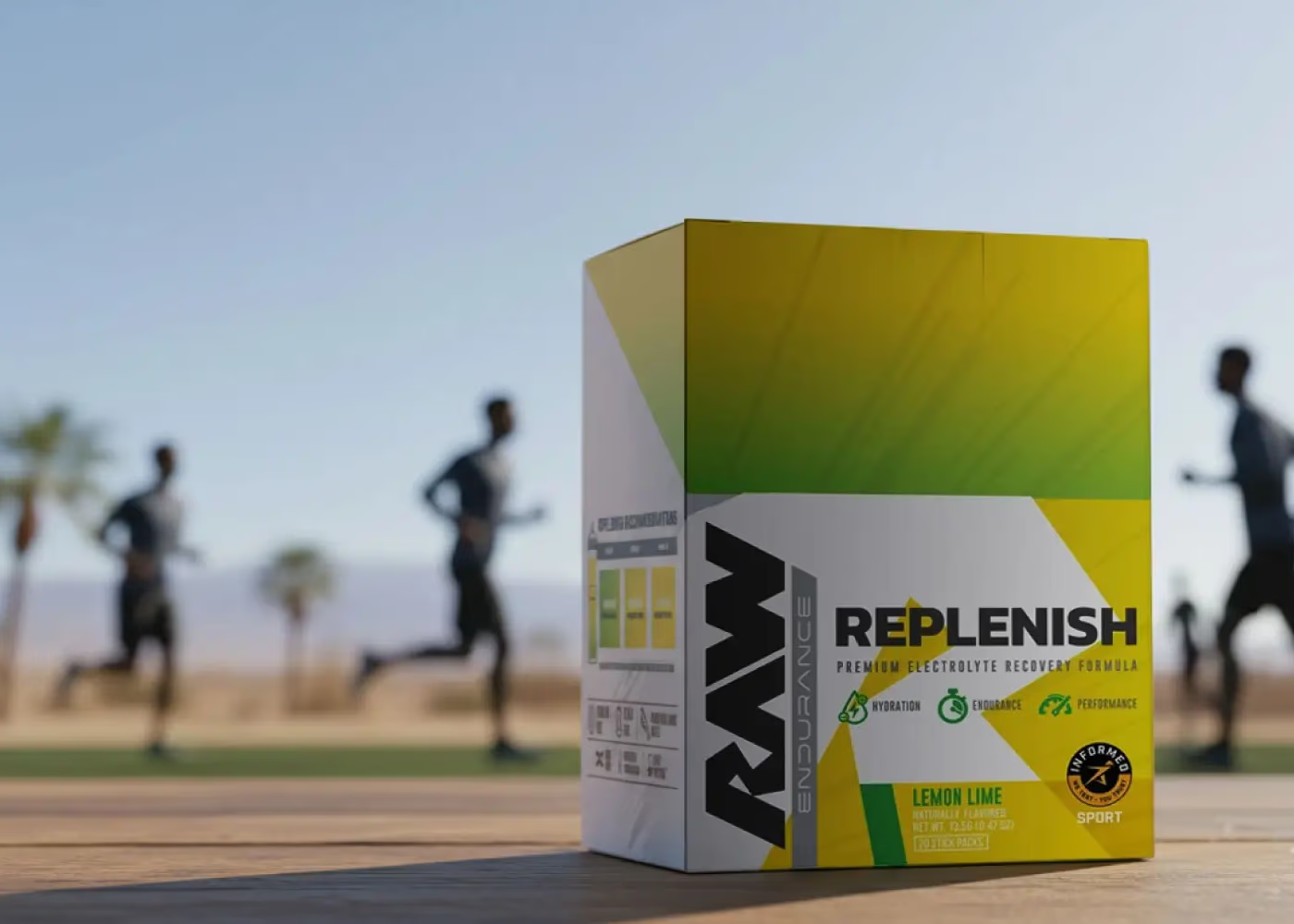
Hot weather just wipes you out in a way water alone doesn’t fix. You drink, and then you’re thirsty again five minutes later, and you’re like “didn’t I JUST have water?” but your body’s basically leaking everything out, not just the water part. And that’s the part nobody mentions. It’s the minerals going too.
Electrolytes, yeah, the boring word - those are the things that keep the water where it’s supposed to stay. Without them, it’s like pouring water into sand: gone instantly. So when people say “keep hydrated in the heat,” it’s not even the whole picture. The real thing is: electrolytes for heat exhaustion matter because your body can’t cool itself or hold fluids if the minerals drop. Nothing fancy. Just physiology doing its chaotic thing.
In hot climates, hydration changes from “drink enough” to “drink the right mix or you’re gonna feel awful.”
What is Dehydration?
Dehydration isn’t always dramatic. Half the time it’s just: head hurts, weird mood, tired for no reason, legs heavy, can’t think straight, maybe a little shaky. And you don’t even feel thirsty until later. It creeps in sideways.
And in heat? Way faster. Sweat takes water + salt + potassium + magnesium, and whatever else it feels like stealing that day. So you keep drinking water, and it’s like your body goes, “nah, not enough,” because you replaced the water but not the other stuff. That’s why people ask about how to stay hydrated in hot weather and still feel like it’s not working.
Real dehydration in heat is basically: your fluids + your minerals = both going out at the same time. Water alone can’t refill both, so you stay weirdly off balance even if you drink a lot. That’s why it feels different in summer.
Understanding Electrolytes and Their Role in Hydration
Electrolytes are basically the tiny “electric” minerals your body keeps using without asking you. Sodium, potassium, magnesium, that whole gang. They run the show in ways you don’t think about - muscles moving, nerves firing, your heartbeat staying normal, your body deciding where water should actually go.
Without them? Water is just water. It doesn’t get inside the cells the right way. It doesn’t stay put. You drink and then wonder why you still feel drained. That’s literally because electrolytes decide how hydration works, not the water itself.
So when people say “drink more,” ok, sure, but without electrolytes, you’re basically pouring water into a bucket with holes. In heat, those holes get bigger. That’s why people who know anything about summer stay hydrated routines always go “add electrolytes, don’t rely on plain water.”
Why Hot Climates Increase the Risk of Electrolyte Imbalance
Heat is a thief. That’s the simplest way to put it. It steals your water AND your minerals at the same time. You don’t get to choose which. Once you start sweating, everything leaves together - sodium, potassium, magnesium - and your body’s trying to cool itself but losing the exact ingredients it needs to do that.
So even if you’re drinking a ton (which most people brag about like it solves everything), you’re still running short because the minerals aren’t being replaced. That’s why people in hot climates get cranky faster, tired faster, dizzy faster; it’s not “the heat” alone, it’s the electrolyte imbalance happening underneath.
And that’s why the best way to stay hydrated in the heat is never just “water.” Water-only hydration collapses in hot climates. Your body needs the minerals it’s sweating out, or everything goes sideways. Plain water is like half a fix, while electrolytes are the other half.
Signs of Electrolyte Deficiency in Hot Conditions
Muscle cramps
Those cramps that show up out of nowhere? Yeah, that’s usually your body saying, “I don’t have enough minerals for this.” It’s not random. Hot weather drains sodium/potassium like crazy, and your muscles basically seize up when they don’t have enough to work with. Feels like someone grabbed your calf and twisted it for fun. Not great.
Dizziness and fatigue
Heat + no electrolytes = that floaty, weak, “I could pass out if I stand up too fast” feeling. You drink water, but it’s useless without minerals, so your body’s just running on fumes. Fatigue hits even if you didn’t do much. It’s like your battery drops from 80% to 12% instantly.
Headaches and irritability
The classic summer headache that makes you squint at everything? That’s usually low sodium + dehydration teaming up. And the irritability? Totally normal when your brain is thirsty, even if your mouth isn’t. People snap faster in the heat because their electrolytes are tanking, not because they “hate summer.”
Irregular heartbeat
This one’s the scary one. When potassium or magnesium gets too low, your heart starts doing its own thing - tiny flutters, random fast beats, stuff that feels like “hm, that shouldn’t be happening.” Heat pulls those minerals out faster than people realize, which is why electrolyte imbalance hits hard in hot climates.
How to Prevent Dehydration with Electrolytes
Preventing dehydration in heat isn’t as complicated as people make it. It’s basically: don’t let your minerals tank. Water alone is like half a solution. You need the stuff your sweat takes with it.
●Add electrolytes BEFORE you feel tired (waiting until you’re drained is too late)
●Sip through the day instead of chugging one big bottle
●Pair plain water + electrolytes instead of choosing one
●If you’re working outside, you probably need more than you think
●If your sweat is salty or your skin feels sticky, you’re losing minerals fast
People who know how to stay hydrated in hot weather don’t walk around with giant jugs of just water. They balance it. That’s the whole trick.
Best Times and Simple Ways to Take Electrolytes
There’s no exact “right time,” but there are moments when your body will use electrolytes better. Think of them like timing boosts.
Ideal time -
●morning, because you wake up already slightly dehydrated
●before outdoor work or exercise (gives you a head start)
●midsummer afternoons when the heat gets rude
●during long walks, hikes, errands in the sun
●anytime water isn’t helping and you still feel off
And simple ways?
●powders you toss in a bottle
●tablets that fizz
●a pinch of salt + lemon + water(old-school but works)
●premade packets
●Coconut water, if you want the natural route
Knowing the best way to stay hydrated in the heat mostly comes down to this: get electrolytes in BEFORE the heat drains you. That’s it.
Choosing the Right Electrolyte Supplements
Picking electrolytes isn’t about the prettiest bottle or whatever’s trending on TikTok. It’s more, “What does your body lose the fastest?” If you sweat a lot, you need sodium. If you cramp easily, you probably need more potassium or magnesium.
Some quick ways to choose:
●If you’re outside in the heat for hours, go for something with sodium as the first mineral
●If your muscles twitch or cramp, magnesium matters more
●If you feel drained even after drinking water, look for potassium in the mix
●If you hate sweet drinks, go for unflavored powders
●If you want the simplest route, a balanced packet works fine
No need to overthink it. The idea is to replace what you’re losing. That’s it. Whatever keeps you steady in heat is the “right” one for you.
Final Tips for Staying Hydrated in Hot Weather
Summer hydration isn’t just “drink water.” If that worked, nobody would get heat exhaustion. A few things actually help:
●Don’t wait until you’re thirsty - thirst means you’re late
●Sip all day, don’t chug once, and assume you’re good
●Eat hydrating foods: watermelon, cucumbers, oranges
●Avoid heavy caffeine before being outside - it drains you
●Rest in the shade whenever you can
●Electrolytes before + during heat exposure work better than taking them after
People who understand how to stay hydrated in summer know it’s small habits that keep you balanced, not one giant drink at the end of the day.
Conclusion
Hot weather hits everyone differently, but the one thing it does consistently is drain your minerals faster than you realize. And once electrolytes drop, hydration gets messy - water doesn’t stick, energy dips, your head feels weird, everything just feels off. Electrolytes aren’t some sports-only thing; they’re what make hydration actually work, especially in heat. If you balance your water with the right minerals and pay attention to your body, staying safe in the sun gets a whole lot easier.
FAQs of Dehydration Prevention with Electrolytes
Can I drink too many electrolytes?
No, you will overdo it. It’s not common, but if you take way more than you need, you might feel bloated or get a salty taste in your mouth. Just follow normal amounts - more isn’t better.
What’s better for hydration: water or electrolyte drinks?
Depends on the situation. Normal day? Water’s fine. Hot day, sweating, long hours outside? Electrolytes win, no question. Water alone won’t keep up in the heat.
Are sports drinks good for preventing dehydration?
Sometimes. They have electrolytes, but also a lot of sugar. If the sugar doesn’t bother you, they work. If it does, some cleaner mixes and powders hydrate better without the extra stuff.
Can kids and older people also take electrolytes?
Yep, and they usually need them more - kids dehydrate fast, and older adults don’t always feel thirsty even when they are. Just stick to mild, balanced formulas.
Is it safe to take electrolytes every day?
For most people, yes. Especially in hot climates. Just don’t double-dose or drink them like soda. They’re meant to support hydration, not replace actual meals or water.
What time of day is best to drink electrolytes?
Morning is good because you wake up a little dehydrated. Also, before going out in the heat, during long walks or workouts, or any time water isn’t cutting it. There’s no single perfect hour - it’s more about when your body needs the support.
all blogs