


How Supplements Can Help You Perform Better at the Gym
Feb 27, 2026
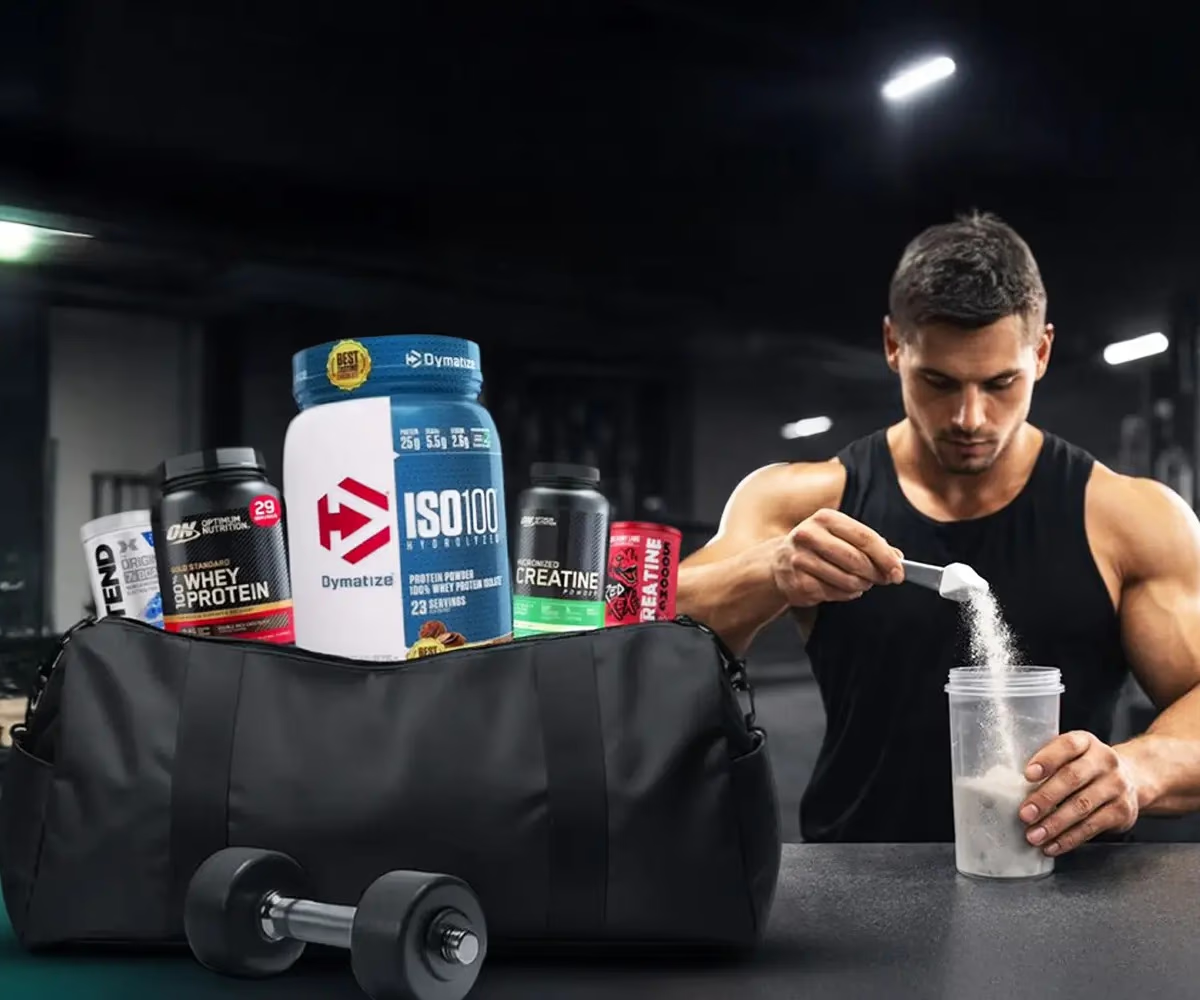
The pursuit of peak physical performance is a journey that requires dedication, discipline, and a deep understanding of how the body functions under stress. Whether you are a seasoned athlete or a beginner stepping into the weight room for the first time, you’ve likely noticed the colorful tubs of powders and rows of capsules that line the shelves of fitness shops. Supplements have become a cornerstone of modern fitness culture, but their role is often misunderstood. They are not magic pills that replace hard work; rather, they are precision tools designed to fill nutritional gaps and provide a biological "edge" when your training demands more than what your standard meals can provide.
Why Supplements Are Popular Among Gym-Goers
The popularity of supplements stems from the increasing demand for efficiency. In a world where time is a luxury, gym-goers want to ensure that every minute spent sweating translates into tangible results. Supplements offer a convenient, concentrated way to consume specific nutrients that would be difficult to get in high enough quantities from whole foods alone. For instance, consuming the exact amount of creatine needed to saturate muscles through steak alone would require eating several pounds of meat daily—a feat that is neither practical nor healthy. Furthermore, the psychological boost of a "pre-workout ritual" can help individuals transition from a long workday into a high-intensity training mindset.
Role of Supplements in Fitness Performance
At their core, supplements serve three primary functions: preparation, performance, and preservation. They prepare the body by increasing alertness and blood flow; they enhance performance by providing readily available energy and buffering metabolic byproducts like lactic acid; and they preserve the body by facilitating rapid muscle repair and reducing systemic inflammation. By optimizing these biological pathways, supplements allow you to train harder for longer periods and, perhaps more importantly, return to the gym sooner without feeling completely depleted.
Common Types of Supplements for Gym Performance
Navigating the supplement world can be overwhelming. To build a solid foundation, it is essential to understand the core categories that dominate the industry due to their proven effectiveness.
Protein Powders
Protein is the literal building block of muscle tissue. While you can get protein from chicken, eggs, and beans, protein powders (such as Whey, Casein, or Soy) offer a fast-digesting, high-bioavailability option. Whey protein is particularly popular post-workout because it enters the bloodstream rapidly, delivering essential amino acids to muscles when they are most "primed" for repair. Casein, on the other hand, is slow-digesting, making it ideal for consumption before bed to prevent muscle breakdown during the night.
Pre-Workout Supplements
Designed to be taken 20–30 minutes before training, pre-workouts usually contain a blend of caffeine, amino acids, and nitric oxide boosters. The caffeine provides mental focus and energy, while the nitric oxide boosters dilate blood vessels (the "pump"), improving oxygen delivery to working muscles. This allows for higher intensity and better endurance during grueling sets.
Creatine
Creatine is one of the most widely researched supplements available. It works by increasing the body’s stores of phosphocreatine, which is used to produce ATP—the primary energy source for high-intensity, short-duration exercises like sprinting and heavy lifting. Consistent creatine use has been shown to increase strength, power output, and muscle volume by drawing water into the muscle cells, creating a more anabolic environment.
Branched-Chain Amino Acids (BCAAs)
BCAAs consist of three essential amino acids: Leucine, Isoleucine, and Valine. These are unique because they are metabolized directly in the muscle rather than the liver. Sipping on BCAAs during a workout can help reduce muscle protein breakdown and decrease the perception of fatigue, allowing you to maintain your form even toward the end of a session.
How Supplements Aid in Improving Specific Gym Goals
Every person enters the gym with a different "why." Supplements can be tailored to match these specific physiological demands.
Increasing Endurance and Stamina
For those focused on cardio or high-volume lifting, supplements like Beta-Alanine and Electrolytes are game-changers. Beta-alanine helps buffer the hydrogen ions that cause that "burning" sensation in your muscles, effectively pushing back the point of muscular failure. Electrolytes ensure that your nervous system can continue to send signals for muscle contraction, preventing cramps and dizziness during long sessions.
Speeding Up Recovery
Recovery is where the actual progress happens. Supplements like Glutamine and Omega-3 fatty acids play a vital role here. Glutamine aids in gut health and immune function, which can be suppressed by overtraining, while Omega-3s help reduce exercise-induced muscle soreness by tackling inflammation at a cellular level.
Supporting Muscle Growth and Repair
Muscle growth (hypertrophy) occurs when muscle protein synthesis exceeds muscle protein breakdown. Supplements ensure that the body has a constant "pool" of amino acids available. By providing a surplus of high-quality nutrients, you ensure that the micro-tears created during lifting are patched up stronger than they were before.
Choosing the Right Supplements for Your Fitness Goals
Not all supplements are created equal, and your strategy should reflect your specific objectives.
For Muscle Gain
Focus on a high-protein, high-calorie approach. Whey protein and Creatine are the staples here. If you struggle to hit your caloric needs through whole foods, a mass gainer can provide a dense source of carbohydrates and protein to support growth.
For Weight Loss
Look for supplements that support metabolism and satiety. Fiber supplements, Green Tea Extract, and L-Carnitine can help the body utilize fat for fuel while preserving lean muscle mass. Protein remains vital here to ensure the weight lost comes from fat stores, not muscle tissue.
For Strength Training
The priority is explosive power and neurological drive. Creatine is a core component for strength athletes. Additionally, Citrulline Malate can help you push through those final two reps where the most significant strength adaptations occur.
For Endurance Training
Prioritize hydration and sustained energy. Electrolyte powders are essential for replacing minerals lost through sweat. Iron supplements may also be beneficial, particularly for long-distance runners, to ensure optimal oxygen transport throughout the body.
Tips for Effective Supplement Use
Proper Timing and Dosage
While the "anabolic window" is often debated, timing still plays a role in performance. Caffeine is best used 30–60 minutes before a workout. Creatine is a cumulative supplement; it doesn't matter as much when you take it, as long as you take it consistently every day to keep your muscles saturated. Always start with the recommended dose to assess your tolerance.
Combining Supplements with Balanced Diet and Training
A supplement is only as good as the foundation it sits upon. If your sleep is poor and your diet consists of processed foods, supplements will have a limited impact. They should be viewed as the "top 5%" of your fitness pyramid, resting on a base of rigorous training and a whole-food-based diet.
Potential Side Effects & Safety Tips
Avoiding Overconsumption
More is not always better. Overloading on stimulants can lead to heart palpitations and insomnia, while excessive protein intake without adequate water can cause digestive distress. Stick to the suggested servings on the packaging.
Understanding Your Body’s Needs
Every individual reacts differently. Some people experience a harmless "tingling" sensation from beta-alanine, while others may find certain whey proteins difficult to digest due to lactose sensitivity. Listen to your body’s signals and adjust accordingly.
Consulting a Fitness Expert or Nutritionist
Before starting a new regimen, especially one involving heavy stimulants, consult a professional. They can help you identify if a supplement is right for your specific health profile and ensure it won't interact with any existing conditions.
Conclusion
Supplements are powerful allies in the quest for fitness excellence. When used correctly, they can sharpen your focus, boost your power, and accelerate your recovery. However, their true value is unlocked only when paired with hard work in the gym and a disciplined approach to nutrition. Start with the basics, stay consistent, and let your supplements support the progress your hard work creates.
FAQs of Supplements Can Help You Perform Better at the Gym
Are supplements necessary for everyone who works out?
No. Beginners can make significant progress with whole foods and consistent training. Supplements become more beneficial as you reach advanced stages where nutritional precision is required to break through plateaus.
How soon can you expect results from supplements?
Energy-based supplements like caffeine work in under an hour. Build-up supplements like Creatine typically take 2–4 weeks of daily use to show strength increases. Structural changes from protein use are seen over months of consistent training.
Can supplements replace a healthy diet?
Never. Whole foods contain complex micronutrients and fiber that supplements cannot replicate. Supplements are meant to augment a diet, not substitute for it.
What supplements are best for beginners?
A high-quality protein powder and a basic multivitamin are usually the best starting points to ensure you are meeting your fundamental daily requirements.
Would you like me to adjust the tone to be more technical or more conversational for your specific audience?
all blogs