


Mounjaro Long-Term Side Effects: What Clinical Studies Show
May 28, 2026
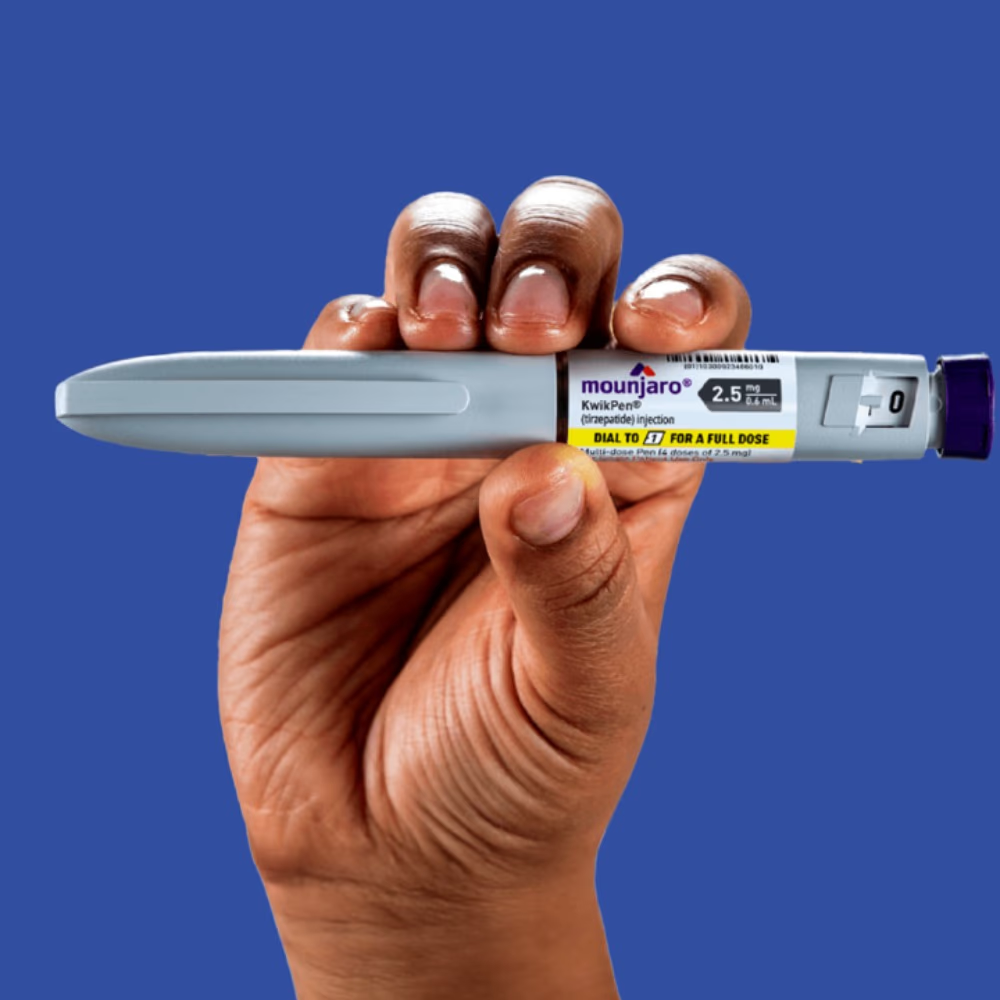
What do we actually know about Mounjaro long-term side effects? The SURPASS clinical trial program studied tirzepatide in over 20,000 patients for up to 104 weeks. The most common long-term adverse events were gastrointestinal, and most decreased in frequency with continued treatment, according to FDA prescribing information for Mounjaro.
If you are already taking Mounjaro or researching before you start, questions about cancer risk, organ damage, and whether effects are reversible are completely valid. Some patients worry, “will I be too sick to work” months into treatment.
This guide presents the clinical evidence available as of the January 2026 FDA label update. Every claim in this article comes from published trial data or the FDA prescribing information. You can also review the Mounjaro KwikPen product details at MedX Pharmacy. All prescription medications require a valid prescription from a licensed healthcare provider.
What We Know About Long-Term Safety
Is Mounjaro safe long term? The evidence base comes primarily from the SURPASS clinical trial program, which included multiple Phase 3 trials with treatment durations of up to 104 weeks (two years). This represents one of the larger datasets for any GLP-1 class medication. You can learn more at the official Mounjaro website.
Across these trials, the safety profile remained consistent over time. Gastrointestinal side effects, the most common category, did not increase in frequency with extended use. In fact, most GI events decreased as patients continued treatment beyond the initial titration period.
A cardiovascular outcomes trial is currently ongoing, with results expected in 2026. This trial will provide additional data on the long-term cardiovascular effects of tirzepatide. Until those results are published, the existing SURPASS data and FDA post-marketing surveillance are the primary safety references.
The SURPASS-2 trial showed that tirzepatide produced HbA1c reductions of 2.30 percent compared to 1.86 percent for semaglutide, demonstrating sustained glycemic benefit over the study period.
Mounjaro and Cancer Risk: What the FDA Warning Means
Mounjaro carries an FDA boxed warning for thyroid C-cell tumors. This warning is based on findings in rodent studies with tirzepatide. Review the complete FDA drug label for full details on this warning.
The distinction between rodent and human data is important. Rodent thyroid tissue responds differently to GLP-1 receptor agonists than human thyroid tissue. As of the most recent FDA label update in January 2026, no confirmed cases of medullary thyroid carcinoma (MTC) have been attributed to tirzepatide in humans.
This does not mean the risk is zero. It means the current evidence has not confirmed a causal link in humans. The FDA requires the boxed warning as a precautionary measure based on the animal data, and long-term surveillance continues.
Mounjaro is contraindicated in patients with a personal or family history of medullary thyroid carcinoma or Multiple Endocrine Neoplasia syndrome type 2 (MEN 2). If you have a family history of thyroid cancer, discuss this thoroughly with your prescriber before starting treatment.
Patients taking Mounjaro should be aware of symptoms that warrant medical evaluation: a lump or swelling in the neck, hoarseness, difficulty swallowing, or shortness of breath. Report any of these to your healthcare provider promptly.
Mounjaro and Pancreatitis: Clinical Data and Signs
Acute pancreatitis has been reported in patients taking tirzepatide during clinical trials and in post-marketing surveillance. Patients with a history of pancreatitis were excluded from the SURPASS trial program, so the risk in this population is not well characterized. For additional clinical context, see the Cleveland Clinic overview of tirzepatide.
The FDA prescribing information advises discontinuation of Mounjaro and prompt medical evaluation if pancreatitis is suspected. The hallmark symptom is severe, persistent abdominal pain that may radiate to the back, sometimes accompanied by vomiting.
If you have a history of pancreatitis, your prescriber needs this information before considering Mounjaro. The decision to use the medication involves weighing the potential benefits against this specific risk. For guidance on the titration approach, which starts at the lowest dose to reduce GI stress, see the Mounjaro dosing guide.
Long-Term Effects on Kidneys, Liver, and Heart
Kidney: Acute kidney injury has been reported, primarily linked to dehydration from severe gastrointestinal side effects such as vomiting and diarrhea. Maintaining adequate hydration is essential, especially during dose changes. Patients with pre-existing kidney conditions should have renal function monitored regularly.
Liver: No hepatotoxicity signal has been identified in the SURPASS trial program. Some data suggest tirzepatide may actually improve liver enzyme levels in patients with non-alcoholic fatty liver disease (NAFLD), though this remains under study. Standard liver function monitoring is still recommended during treatment.
Heart: A cardiovascular outcomes trial for tirzepatide is ongoing, with results expected in 2026. Early data from the SURPASS program has not raised cardiovascular safety concerns. The SURMOUNT trial in non-diabetic patients also showed no increased CV risk during the study period. You can explore Mounjaro at MedX Pharmacy for available product options.
Eyes: Diabetic retinopathy complications have been reported in patients with a history of diabetic eye disease. Patients with existing retinopathy should discuss monitoring with their ophthalmologist before starting Mounjaro.
How Long Do Mounjaro Side Effects Last
The short answer: most gastrointestinal side effects are temporary. They are strongest during the first two to four weeks after starting Mounjaro or after each dose increase. The majority of patients report significant improvement within four to eight weeks at a stable dose. For a complete breakdown of common side effects by type, see Mounjaro common side effects.
Pooled gastrointestinal adverse event rates from the SURPASS program show 39 percent at 5mg, 46 percent at 10mg, and 49 percent at 15mg. These rates reflect events at any point during treatment, not persistent effects. The data consistently shows that GI events decrease with continued use.
Some community members describe the early weeks as challenging but note that the adjustment period was shorter than expected. As one patient put it, “it was actually a total anticlimax.”
Hair loss (telogen effluvium), sometimes reported as “hair is falling out,” is linked to rapid weight loss rather than the drug mechanism. It is usually temporary and resolves within 6 to 12 months as weight stabilizes.
Is Mounjaro Safe for Weight Loss Long Term
Mounjaro (tirzepatide) is FDA-approved for type 2 diabetes. Its use for weight loss in non-diabetic patients is considered off-label. Zepbound is the FDA-approved brand of tirzepatide specifically indicated for chronic weight management.
The SURMOUNT trial program studied tirzepatide (as Zepbound) for weight management in non-diabetic patients. These trials demonstrated significant weight loss with a side effect profile similar to the diabetes trials, though gastrointestinal event rates were somewhat higher.
The SURMOUNT data also showed that tirzepatide reduced the progression from pre-diabetes to type 2 diabetes, suggesting potential long-term metabolic benefits beyond weight reduction alone.
The Zepbound label includes a note about monitoring for suicidal ideation. If you or someone close to you notices unusual mood changes during treatment, contact your prescriber immediately.
If you are using Mounjaro off-label for weight loss, the long-term safety data from the diabetes trials (SURPASS, up to 104 weeks) provides the best available reference. Discuss the risk-benefit balance with your prescriber, including the fact that some weight regain has been observed after discontinuation in clinical studies.
Monitoring While on Mounjaro
Long-term use of Mounjaro warrants regular monitoring by your healthcare provider. The following areas are typically assessed:
Area | What to Monitor | Frequency |
Thyroid | Neck lumps, hoarseness, difficulty swallowing | Report symptoms immediately |
Pancreas | Severe abdominal pain, especially radiating to back | Report symptoms immediately |
Kidneys | Renal function (eGFR, creatinine) | Per prescriber schedule |
Gallbladder | Upper abdominal pain, fever, jaundice | Report symptoms immediately |
Liver | Liver enzymes (ALT, AST) | Per prescriber schedule |
Eyes | Diabetic retinopathy symptoms | Ophthalmologist as recommended |
Mental health | Mood changes, suicidal ideation | Ongoing self-monitoring |
Your prescriber will determine the right monitoring schedule based on your health profile. The Mounjaro 5mg pen and other dosage options are available at MedX Pharmacy.
Frequently Asked Questions About Mounjaro Long-Term Safety
What are the long-term side effects of Mounjaro?
Gastrointestinal side effects (nausea, diarrhea, decreased appetite) are the most common and typically decrease over time. Long-term monitoring focuses on thyroid health, pancreatic function, gallbladder, and kidney function. The SURPASS trial program showed a stable safety profile over up to 104 weeks of treatment.
Does Mounjaro cause cancer?
Mounjaro carries an FDA boxed warning for thyroid C-cell tumors based on rodent studies. As of the January 2026 label update, no confirmed cases of medullary thyroid carcinoma have been attributed to tirzepatide in humans. Mounjaro is contraindicated in patients with MTC or MEN 2 history. Ongoing surveillance continues. For a comparison of safety profiles, see compare with Ozempic safety.
Does Mounjaro affect your liver?
No hepatotoxicity signal has been identified in the SURPASS trials. Some data suggest tirzepatide may improve liver enzyme levels in patients with non-alcoholic fatty liver disease. Standard liver function monitoring is recommended. For more context, Cleveland Clinic overview provides additional clinical detail.
Is Mounjaro safe to take long term?
The SURPASS clinical trial program studied tirzepatide for up to 104 weeks with a stable safety profile. A cardiovascular outcomes trial is ongoing with results expected in 2026. Benefits including glycemic control and weight management were sustained throughout the study periods. Discuss your individual risk-benefit profile with your prescriber.
How long can you stay on Mounjaro?
No maximum treatment duration is defined in the FDA prescribing information. Clinical trials have studied Mounjaro for up to two years. Continued use is typically based on ongoing clinical response, tolerability, and your healthcare provider’s assessment of benefit versus risk.
Discuss Long-Term Safety With Your Provider
Understanding the long-term safety profile of Mounjaro is an important part of your treatment journey. If you and your healthcare provider decide that continued use is appropriate, you can view available dosages through MedX Pharmacy’s diabetes and weight management medications section.
Conclusion
The clinical evidence for Mounjaro long-term side effects comes primarily from the SURPASS trial program, which studied tirzepatide in over 20,000 patients for up to 104 weeks. Gastrointestinal side effects are the most common and typically decrease with continued use. The FDA boxed warning for thyroid C-cell tumors is based on rodent data, with no confirmed human cases reported to date.
Serious risks, including pancreatitis, gallbladder disease, and kidney injury, require awareness and regular monitoring. The ongoing cardiovascular outcomes trial will add further clarity to the long-term safety picture when results are published.
Your next step is a detailed conversation with your prescriber about your individual risk profile and monitoring plan. For a broader overview of the medication, see the complete Mounjaro guide at MedX Pharmacy.
Medical Disclaimer: This article is for informational purposes only and does not constitute medical advice. Always consult your healthcare provider before starting, stopping, or changing any medication. The information presented is based on publicly available clinical data and prescribing information current at the time of writing. MedX Pharmacy is a licensed pharmacy; all prescription medications require a valid prescription from a licensed healthcare provider.
all blogs