


Mounjaro Side Effects: What to Expect and How to Manage Them
May 28, 2026
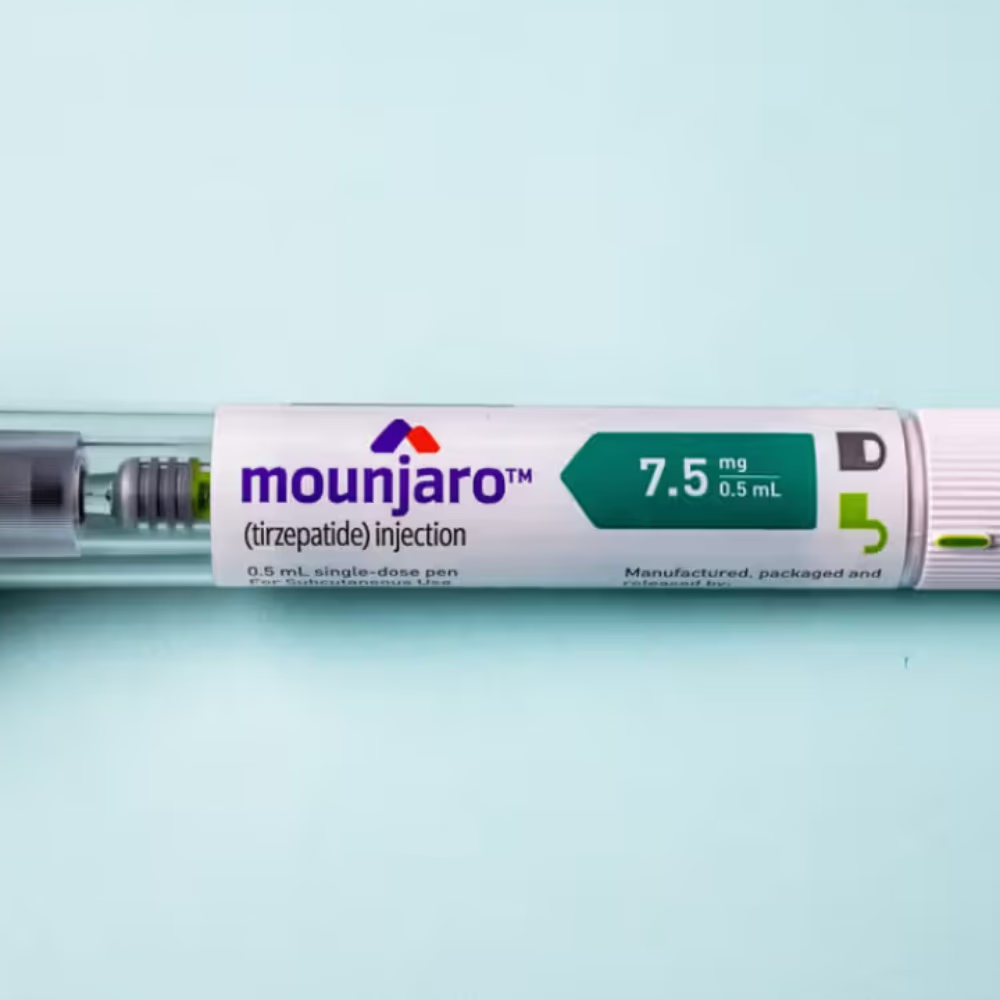
If you have been prescribed Mounjaro and you are wondering what side effects to expect, you are not alone. Many patients ask themselves, “will I be too sick to work?” before filling their first prescription.
Mounjaro (tirzepatide) side effects are well documented in clinical trials. Nausea occurs in 12 to 18 percent of patients, and diarrhea in 12 to 17 percent, according to FDA prescribing information for Mounjaro. Gastrointestinal effects are dose-dependent and typically decrease over time.
That mix of hope and worry is completely normal. Based on FDA prescribing information and published clinical trial data, this guide covers every reported Mounjaro side effect, organized by severity, with incidence rates, practical management tips, and clear guidance on when to contact your doctor. You can also review the complete Mounjaro guide for a broader overview of how this medication works.
Your treatment begins at the lowest available strength. You can start with lowest Mounjaro dose (2.5mg) through MedX Pharmacy. All prescription medications require a valid prescription from a licensed healthcare provider.
What to Expect When You Start Mounjaro
Mounjaro is a dual GIP and GLP-1 receptor agonist, meaning it activates two hormones that regulate blood sugar and appetite. It is administered as a once-weekly subcutaneous injection using a pre-filled KwikPen. You can learn more about the medication at the official Mounjaro website.
The standard titration protocol starts at 2.5mg for four weeks before increasing. This gradual approach is specifically designed to improve gastrointestinal tolerability during the initial treatment period. Your doctor sets the pace of dose increases based on how your body responds.
Most patients notice the strongest side effects during the first two to four weeks at each new dose level. These effects often become milder as your body adjusts. Understanding this timeline can help set realistic expectations before you begin treatment.
Common Mounjaro Injection Side Effects
The following side effects were the most frequently reported in the SURPASS clinical trial program for type 2 diabetes. These are generally mild to moderate and often improve with continued use.
Side Effect | Incidence Rate | Notes |
Nausea | 12–18% | Most common; dose-dependent |
Diarrhea | 12–17% | Often improves within weeks |
Decreased appetite | Frequent | Dose-dependent; expected effect |
Vomiting | 5–9% | More common at higher doses |
Constipation | ~6% | May alternate with diarrhea |
Dyspepsia (indigestion) | ~8% | Related to slowed gastric emptying |
Injection site reactions | 3.2% | Redness, itching, or swelling at site |
Hypersensitivity reactions | 3–4.1% | Rash or allergic symptoms |
Gastrointestinal symptoms are the most common category. They result from the way tirzepatide slows gastric emptying, which is part of how the medication works. Some patients also report what the community describes as “sulfur burps,” a distinctive odor during digestion changes.
Injection site reactions typically present as mild redness, itching, or swelling. Rotating your injection site between the abdomen, thigh, and upper arm can help reduce irritation. If a reaction persists or worsens, contact your healthcare provider.
Serious Side Effects and Warning Signs
Mounjaro carries an FDA boxed warning for thyroid C-cell tumors, which were observed in animal studies with tirzepatide. Whether this risk applies to humans is currently unknown. You can review the full FDA drug label for complete details on this warning.
Acute pancreatitis has been reported in patients taking Mounjaro. Patients with a history of pancreatitis were excluded from clinical trials. If you experience severe, persistent abdominal pain that may radiate to the back, stop the medication and seek immediate medical attention.
Gallbladder disease occurred in 0.6 percent of patients in clinical trials, compared to 0 percent on placebo. Symptoms include upper abdominal pain, fever, and jaundice. Report these symptoms to your doctor promptly.
Acute kidney injury has been reported, primarily linked to dehydration caused by severe gastrointestinal side effects such as vomiting or diarrhea. Staying hydrated is essential, especially during the first weeks of treatment or after dose increases.
The Zepbound label (tirzepatide for weight management) also includes a note about suicidal ideation monitoring. If you or someone close to you notices unusual mood changes, contact your prescriber immediately. For a broader overview of Mounjaro dosages and product details, you can explore Mounjaro options at MedX.
Managing Mounjaro Nausea and GI Symptoms
Gastrointestinal side effects with tirzepatide are dose-dependent. Pooled rates show 39 percent at 5mg, 46 percent at 10mg, and 49 percent at 15mg. The standard titration protocol begins at 2.5mg for four weeks before increasing, specifically to improve gastrointestinal tolerability during the initial treatment period.
Many patients in online communities describe the nausea as anything from mild queasiness to “the nausea is unbearable.” The experience varies widely. Most patients find that symptoms peak during the first two to four weeks at each dose level and then gradually ease.
The following strategies are commonly discussed by healthcare providers and patients:
Strategy | Details |
Eat smaller, more frequent meals | Large or high-fat meals worsen nausea; smaller portions reduce GI strain |
Stay hydrated | Sip water throughout the day; dehydration worsens all GI symptoms |
Avoid greasy or fried foods | Fat slows digestion further on top of the medication’s gastric effects |
Follow the titration schedule | Do not skip doses or increase faster than prescribed |
Time your injection | Some patients find injecting in the evening reduces daytime nausea |
If your nausea or vomiting is severe enough to cause dehydration, contact your healthcare provider. They may adjust your dose or pause the titration. For the full titration schedule, see the Mounjaro dosing schedule guide.
Your next step dose after the initial 2.5mg period is the Mounjaro 5mg next step dose, available through MedX Pharmacy.
Mounjaro and Hair Loss: What the Data Shows
Some patients report “hair is falling out” after starting Mounjaro. The medical term for this is telogen effluvium, a temporary form of hair shedding triggered by significant physical changes, including rapid weight loss.
Hair loss associated with GLP-1 medications is linked to the pace of weight loss rather than the drug itself. The Zepbound label (tirzepatide for weight management) acknowledges this as a reported effect. For more context, Cleveland Clinic’s tirzepatide overview discusses related findings.
This type of hair shedding is usually temporary and often resolves within 6 to 12 months as weight stabilizes. Adequate protein intake, proper nutrition, and avoiding crash dieting can help support hair health during treatment. If hair loss is severe or persistent, consult a dermatologist.
Mounjaro Side Effects in Females
Women taking Mounjaro should be aware of several considerations specific to female health. Weight loss from GLP-1 medications may increase fertility by improving hormonal balance and ovulation, even in women who previously had difficulty conceiving.
The FDA prescribing information notes that tirzepatide may reduce the effectiveness of oral contraceptives. Women are advised to use a barrier method of contraception for four weeks after starting Mounjaro and for four weeks after each dose change.
If you are planning a pregnancy, the FDA recommends discontinuing Mounjaro at least two months before conception. Some community discussions also mention concerns about facial volume loss (sometimes called “Ozempic face”). This is related to rapid fat loss rather than a direct drug effect, and it can affect both men and women.
Menstrual cycle changes have also been reported in community forums, though these are not listed as a primary side effect in clinical trials. Discuss any reproductive health concerns with your prescriber before or during treatment.
Side Effects When Using Mounjaro for Weight Loss
Mounjaro (tirzepatide) is FDA-approved for type 2 diabetes. Its use for weight loss in non-diabetic patients is considered off-label. Zepbound is the FDA-approved brand of tirzepatide specifically indicated for chronic weight management.
In weight management trials (SURMOUNT program), gastrointestinal side effects occurred at higher rates than in the type 2 diabetes trials. Nausea was reported in up to 29 percent of participants. This higher rate likely reflects the different patient population and dosing context.
The SURMOUNT-5 trial compared tirzepatide directly against semaglutide for weight management. Tirzepatide showed 47 percent greater relative weight loss (20.2 percent versus 13.7 percent). Side effect profiles were comparable between the two medications. Some patients reported community concerns about “Ozempic face” and other visible changes from rapid weight loss.
If you are using Mounjaro off-label for weight loss, discuss the full risk profile with your prescriber. Community-reported effects may not be captured in the original diabetes trial data.
Mounjaro Side Effects for Non-Diabetics
Non-diabetic patients using Mounjaro off-label should understand that the clinical trial data for side effects primarily comes from the type 2 diabetes population. The SURMOUNT trials studied tirzepatide (as Zepbound) in non-diabetic patients and found similar side effects with somewhat higher gastrointestinal rates.
The core side effect profile (nausea, diarrhea, constipation, decreased appetite) is consistent across both populations. Non-diabetic patients are less likely to experience hypoglycemia since their blood sugar regulation is already normal. However, the risk of serious side effects, including pancreatitis and gallbladder disease, applies regardless of diabetes status.
Always inform your prescriber about all health conditions before starting Mounjaro, especially if you are using it for a purpose not listed on the label.
How Long Do Mounjaro Side Effects Last
Gastrointestinal side effects are typically strongest during the first two to four weeks after starting Mounjaro or after each dose increase. Most patients report improvement within four to eight weeks at a stable dose.
Some community members describe the early weeks as challenging but note that side effects become more manageable, with one patient saying “it was actually a total anticlimax.” The slow titration schedule (starting at 2.5mg and increasing every four weeks) is designed to minimize the severity and duration of these effects.
For a deeper look at what to expect over months and years, see the Mounjaro long-term safety guide. If side effects persist beyond eight weeks at a stable dose, consult your healthcare provider about adjusting your treatment plan.
Who Should Not Take Mounjaro
Mounjaro is contraindicated in patients with a personal or family history of medullary thyroid carcinoma (MTC) or Multiple Endocrine Neoplasia syndrome type 2 (MEN 2). This relates directly to the FDA boxed warning about thyroid C-cell tumors observed in animal studies.
Patients with a known serious hypersensitivity to tirzepatide or any of the product’s excipients should not use Mounjaro. Signs of serious allergic reactions include swelling of the face, lips, tongue, or throat, severe rash, or difficulty breathing.
Patients with a history of pancreatitis should discuss the risks carefully with their healthcare provider before starting treatment. Pregnant or breastfeeding women should not use Mounjaro. The medication should be discontinued at least two months before a planned pregnancy.
Frequently Asked Questions About Mounjaro Side Effects
What are the serious side effects of Mounjaro?
The most serious side effects include a boxed warning for thyroid C-cell tumors (observed in animal studies), acute pancreatitis, gallbladder disease (0.6 percent versus 0 percent on placebo), and acute kidney injury from dehydration. Contact your healthcare provider immediately if you experience severe abdominal pain, persistent vomiting, or signs of an allergic reaction.
Does Mounjaro cause hair loss?
Hair loss reported with Mounjaro is typically telogen effluvium, a temporary shedding linked to rapid weight loss rather than the drug itself. It usually resolves within 6 to 12 months as weight stabilizes. Ensuring adequate protein and nutrition can help support hair health during this period.
Which is safer, Ozempic or Mounjaro?
Both medications have similar gastrointestinal side effect profiles. Mounjaro is a dual GIP and GLP-1 receptor agonist, while Ozempic targets GLP-1 only. In the SURPASS-2 trial, tirzepatide showed HbA1c reduction of 2.30 percent versus 1.86 percent for semaglutide. Your prescriber is best positioned to guide this choice based on your health profile. For a detailed comparison, see Mounjaro vs Ozempic.
What should I avoid while taking Mounjaro?
Avoid large, high-fat, or greasy meals, which can worsen gastrointestinal symptoms. Stay hydrated to prevent kidney complications. Do not mix Mounjaro with insulin without your doctor’s guidance. Women should use barrier contraception for four weeks after dose changes, as oral contraceptive effectiveness may be reduced.
How long do Mounjaro side effects last?
GI side effects are typically strongest during the first two to four weeks after each dose increase. Most patients find improvement within four to eight weeks at a stable dose. The slow titration protocol (increasing by 2.5mg every four weeks) helps minimize the duration and severity of these effects.
Can Mounjaro cause pancreatitis?
Acute pancreatitis has been reported in patients taking Mounjaro. Patients with a history of pancreatitis were not studied in clinical trials. If you experience severe, persistent abdominal pain (which may radiate to the back), discontinue the medication and seek immediate medical care.
Does Mounjaro affect fertility or periods?
Mounjaro may increase fertility through weight-loss-related hormonal improvements. It may also reduce the effectiveness of oral contraceptives. The FDA recommends using barrier contraception for four weeks after each dose change and discontinuing Mounjaro at least two months before a planned pregnancy. Discuss reproductive plans with your prescriber.
Talk to Your Doctor, Then Explore Your Options
Understanding potential side effects is an important step before starting any medication. If you and your healthcare provider decide that Mounjaro is right for you, you can view available dosages and product details through MedX Pharmacy’s diabetes and weight management medications section.
Conclusion
Mounjaro side effects are well documented, predictable, and in most cases manageable with the right approach. The most common effects are gastrointestinal (nausea, diarrhea, decreased appetite), and they typically improve within weeks as your body adjusts to each dose level.
Serious side effects, while less common, require awareness and prompt communication with your healthcare provider. Knowing the difference between expected adjustment symptoms and warning signs puts you in a stronger position to manage your treatment safely.
Your next step is a conversation with your prescriber. With the right guidance, many patients navigate Mounjaro’s side effects successfully and reach their treatment goals. You can also review the diabetes and weight management medications available at MedX Pharmacy for additional information.
Medical Disclaimer: This article is for informational purposes only and does not constitute medical advice. Always consult your healthcare provider before starting, stopping, or changing any medication. The information presented is based on publicly available clinical data and prescribing information current at the time of writing. MedX Pharmacy is a licensed pharmacy; all prescription medications require a valid prescription from a licensed healthcare provider.
all blogs