


Ozempic Face: What It Is, Why It Happens, and How to Prevent It
May 29, 2026
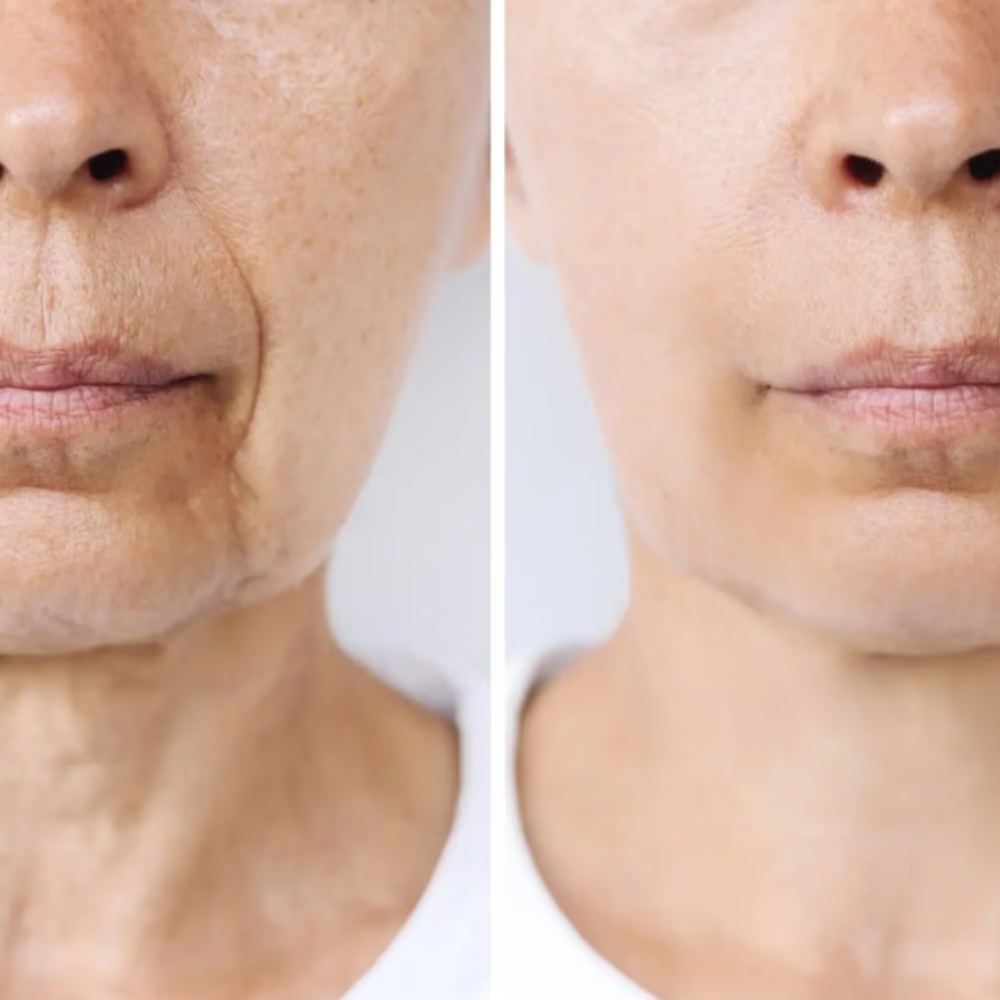
If you have started losing weight on Ozempic and noticed your face looking thinner, gaunt, or aged, you are not imagining things. Many people describe the change as feeling like "my face aged overnight." That concern is completely valid.
Here is what you need to know right away: "ozempic face" is not a side effect of the medication itself. It is a community-coined term for facial volume loss that happens with any rapid weight loss, regardless of method. Based on FDA prescribing information and dermatology research, this guide explains why it happens, who is most at risk, and the specific steps you can take to prevent it.
What Is Ozempic Face?
"Ozempic face" is a non-medical term describing facial volume loss during weight loss on semaglutide (Ozempic). It is not listed as a side effect in the FDA prescribing information. The appearance changes result from loss of subcutaneous facial fat that accompanies any significant weight reduction, regardless of method.
The FDA prescribing information for Ozempic lists common side effects including nausea, diarrhea, and vomiting. Facial volume changes are not among them. Post-marketing reports include alopecia (hair thinning), but "ozempic face" does not appear. For a full breakdown of actual listed reactions, see our Ozempic side effects guide.
Why Does Ozempic Face Happen?
Facial fat loss during weight reduction occurs because the body draws on fat stores throughout the body, including the buccal, malar, and periorbital fat pads in the face. These fat pads sit beneath the skin of the cheeks, temples, and around the eyes. They give the face its youthful fullness and shape.
When you lose a significant amount of weight, these fat pads shrink along with fat elsewhere in the body. More rapid weight loss tends to make these changes more pronounced because the skin and underlying tissues have less time to adapt.
Collagen and elastin, the proteins that keep skin firm and elastic, also break down during periods of caloric deficit. This can lead to skin laxity, which makes the volume loss more visible. Older adults are more susceptible because collagen production naturally declines with age.
This process is not unique to Ozempic or GLP-1 medications. It occurs after bariatric surgery, intensive dieting, and any method that produces rapid weight loss. For more on how semaglutide contributes to weight loss, see our Ozempic for weight loss guide. According to the drugs.com Ozempic reference, the medication's weight loss mechanism works through appetite suppression and slowed gastric emptying
.
Who Is Most at Risk?
Not everyone who loses weight on Ozempic will notice significant facial changes. Several factors influence how pronounced the effect may be.
Risk Factor | Why It Matters |
Age 40 and older | Natural collagen decline makes skin less resilient |
Rapid weight loss | Less time for skin and tissues to adapt |
Greater total weight lost | More fat pad reduction overall |
Lower baseline body fat | Less facial fat to begin with |
Genetics | Some people carry less facial fat naturally |
Smoking history | Accelerates collagen breakdown |
Sun damage history | UV exposure degrades elastin and collagen |
If several of these factors apply to you, discussing prevention strategies with your healthcare provider before significant weight loss begins may help reduce visible facial changes.
Signs of Ozempic Face
Facial volume loss tends to develop gradually as weight loss progresses. Many people describe looking in the mirror and feeling like "I look gaunt" after losing a noticeable amount of weight. The changes are often subtle at first and become more apparent over weeks to months.
Common signs include hollowing in the cheeks (buccal area), sunken temples, deeper nasolabial folds (the lines from nose to mouth), a less defined jawline with slight sagging, and hollowing under the eyes (periorbital area).
These changes can appear more dramatic in photographs compared to the gradual shift you notice day to day. If you are concerned about facial changes, consult a dermatologist rather than adjusting your medication on your own.
How to Prevent Ozempic Face
Clinical guidance for minimizing facial volume loss during weight management includes maintaining adequate protein intake, targeting gradual weight loss, staying well hydrated, and protecting skin from UV damage to preserve collagen and elastin integrity. Many people wonder "is it worth it?" when weighing cosmetic concerns against health benefits. The answer is that facial changes are manageable with the right approach.
# | Strategy | Target | Why |
1 | Gradual weight loss | 0.5 to 1 kg per week | Allows skin and tissues time to adapt |
2 | Adequate protein | 1.2 to 1.6 g per kg of body weight daily | Preserves lean mass, supports skin structure |
3 | Hydration | 2 to 3 litres per day | Supports skin elasticity |
4 | Facial exercises | Daily muscle-toning routines | May help maintain facial muscle tone |
5 | Sun protection | SPF 30+ daily, per AAD guidelines | Preserves collagen and elastin |
For sun protection best practices, the AAD sun protection guidelines recommend broad-spectrum SPF 30 or higher applied daily, even on cloudy days.
Following the proper titration schedule also helps control the rate of weight loss. The standard Ozempic titration starts at 0.25mg for four weeks, then increases to 0.5mg, with an optional increase to 1mg based on your healthcare provider's assessment. You can view the Ozempic pen starting dose and other available strengths, including the Ozempic 0.5mg pen, through MedX Pharmacy. All prescription medications require a valid prescription from a licensed healthcare provider.
Is Ozempic Face Reversible?
Facial volume loss from weight reduction is partially reversible. Once your weight stabilizes, some natural recovery of facial fullness may occur, though the degree varies from person to person.
For those who want to restore facial volume more actively, dermatologists offer several options. Hyaluronic acid (HA) dermal fillers can restore volume in the cheeks, temples, and under-eye areas. Results are temporary, typically lasting 6 to 18 months depending on the type of filler and the area treated.
For more significant volume loss, fat grafting is a longer-lasting option that uses your own fat tissue. A qualified dermatologist or facial plastic surgeon can assess which approach fits your situation.
Facial changes alone are not a medical reason to stop your medication. If you are concerned, discuss your options with your prescribing healthcare provider before making any changes to your treatment.
Ozempic Face vs Regular Weight Loss Face Changes
There is no clinical evidence that facial volume loss on Ozempic is different from facial changes caused by any other method of rapid weight loss. The same effect has been observed after bariatric surgery, intensive caloric restriction, and other weight loss medications including Mounjaro, Wegovy, and Saxenda.
The term "ozempic face" gained traction through media coverage and social media, but it describes a phenomenon that predates GLP-1 medications entirely. Older medical literature refers to similar changes as "diet face" or post-bariatric facial aging.
The underlying mechanism is the same in every case: when the body loses fat, it loses facial fat too. The speed of loss, total amount lost, and individual factors like age and genetics determine how visible the changes become.
Frequently Asked Questions About Ozempic Face
What does Ozempic do to your face?
Ozempic itself does not directly affect your face. The facial volume loss people associate with "ozempic face" results from overall body fat reduction during weight loss. As the body draws on fat stores, it reduces fat everywhere, including the buccal, malar, and periorbital fat pads that give the face its shape. This is a weight loss effect, not a pharmacological one.
Is Ozempic face reversible?
Partially. Once weight stabilizes, some natural recovery may occur. Hyaluronic acid dermal fillers can restore volume temporarily (6 to 18 months). Fat grafting offers a longer-lasting solution for significant loss. Consult a dermatologist to discuss which option is appropriate for your situation.
Does everyone get Ozempic face?
No. Whether you notice significant facial changes depends on the amount of weight lost, the rate of loss, your age, genetics, and baseline body composition. Gradual weight loss combined with adequate protein intake tends to make facial changes less noticeable.
How can you prevent Ozempic face?
Five strategies can help: target gradual weight loss of 0.5 to 1 kg per week, maintain protein intake of 1.2 to 1.6 grams per kilogram of body weight, stay hydrated with 2 to 3 litres daily, protect your skin from UV damage with daily SPF 30+, and follow the proper medication titration schedule.
Does this happen with other weight loss medications?
Yes. Facial volume loss can occur with any method of rapid weight loss, including Mounjaro, Wegovy, Saxenda, bariatric surgery, and intensive dieting. The term "ozempic face" is media-driven, but the phenomenon is not unique to Ozempic.
What are Ozempic legs?
"Ozempic legs" is another community-coined term, referring to loose or sagging skin on the legs after significant weight loss. Like "ozempic face," it is not listed as a side effect in the FDA prescribing information. It results from weight loss, not a direct drug effect. Gradual weight loss and strength training may help reduce skin laxity.
Talk to Your Doctor
Facial volume changes during weight loss are manageable, and they are not a reason to stop your medication without medical guidance. If you have concerns, your healthcare provider or a dermatologist can help you develop a plan.
For a full overview of semaglutide, read our complete Ozempic guide. You can also browse diabetes and weight management medications available through MedX Pharmacy. All prescription medications require a valid prescription from a licensed healthcare provider.
Conclusion
"Ozempic face" is not a side effect of the medication. It is facial volume loss that occurs with any significant weight loss, driven by reduction of the fat pads that give the face its fullness. The term itself is media-driven, but the concern behind it is real.
The good news: specific, evidence-based steps, including gradual weight loss, adequate protein, hydration, and sun protection, can meaningfully reduce how pronounced the changes become. And for those already experiencing facial volume loss, options like dermal fillers and fat grafting exist.
You do not have to choose between reaching your weight goals and feeling confident in how you look. Talk to your healthcare provider about managing ozempic face as part of your overall treatment plan.
Medical Disclaimer: This article is for informational purposes only and does not constitute medical advice. Always consult your healthcare provider before starting, stopping, or changing any medication. The information presented is based on publicly available clinical data and prescribing information current at the time of writing. MedX Pharmacy is a licensed pharmacy; all prescription medications require a valid prescription from a licensed healthcare provider.
all blogs