


Ozempic for Weight Loss: How It Works, Results, and UAE Access Guide
May 28, 2026
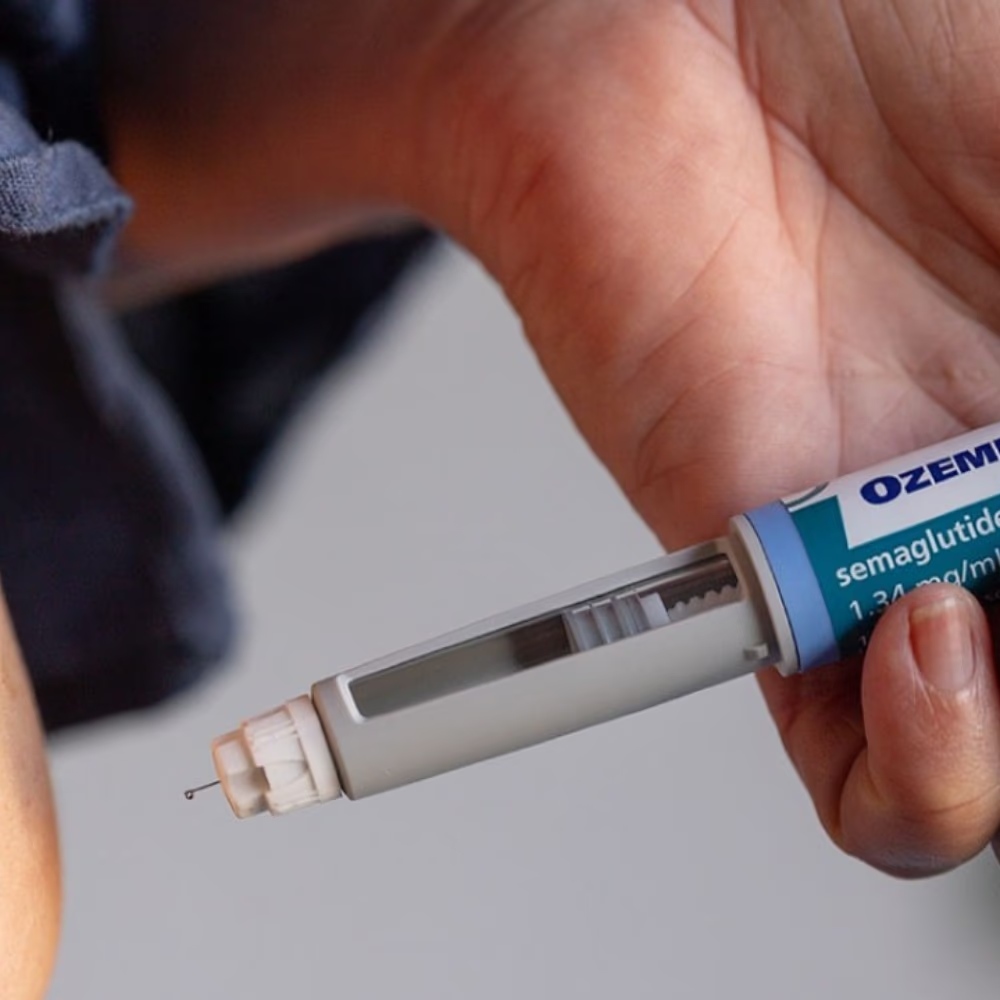
If you have been searching for answers about Ozempic weight loss, you are far from alone. Thousands of people across the UAE are asking the same questions after hearing about semaglutide on social media, from friends, or from their doctors. Semaglutide, the active ingredient in Ozempic, is a GLP-1 receptor agonist that mimics a natural gut hormone to regulate appetite and blood sugar. In the STEP 1 clinical trial, participants without diabetes who received semaglutide 2.4mg weekly lost an average of 14.9% of their body weight over 68 weeks, compared to 2.4% with placebo.
Those numbers have generated enormous interest, and the emotional weight behind the search is real. Based on FDA prescribing information and published clinical trial data, this pharmacist-reviewed guide covers how Ozempic works, its approval status, realistic results, dosing, side effects, and how to access it in the UAE. For a broader overview of the medication, see our complete guide to Ozempic.
How Does Ozempic Work for Weight Loss?
Semaglutide belongs to a class of medications called GLP-1 receptor agonists. GLP-1 (glucagon-like peptide-1) is a hormone your body naturally produces after eating. It signals your brain that you are full and helps regulate blood sugar levels. Ozempic mimics this hormone, but at a much more sustained and potent level than your body produces on its own. You can learn more about the mechanism on the official Ozempic site.
The medication works through three primary pathways. First, it reduces appetite by acting on hunger centres in the brain. Second, it slows gastric emptying, meaning food stays in your stomach longer and you feel satisfied for extended periods. Third, it improves insulin sensitivity, which helps regulate blood sugar after meals.
For many people, the most noticeable change is a significant reduction in what is commonly called "food noise", the constant mental chatter about what to eat next, cravings, and food preoccupation. This shift in appetite signalling is what makes semaglutide for weight loss a fundamentally different approach from calorie restriction alone. It addresses the biological drivers of overeating, not willpower.
Is Ozempic FDA-Approved for Weight Loss?
Ozempic (semaglutide) is FDA-approved for type 2 diabetes, cardiovascular risk reduction in adults with T2D and established cardiovascular disease, and chronic kidney disease risk reduction in adults with T2D. It is not FDA-approved for weight loss. The FDA prescribing information for Ozempic confirms these approved indications.
Wegovy, which contains the same semaglutide at higher doses (up to 2.4mg weekly), is the FDA-approved brand for chronic weight management in adults with obesity or overweight with at least one weight-related comorbidity. Same active ingredient. Different approved use.
When a healthcare provider prescribes Ozempic specifically for weight management, this is off-label use. Off-label prescribing is legal and common in medicine. It means the drug is being used for a purpose outside its formal FDA-approved label, based on the provider's clinical judgment and available evidence. This distinction will appear throughout this guide.
Ozempic Dosage for Weight Loss
Ozempic is administered as a once-weekly subcutaneous injection. The titration schedule begins at 0.25mg for four weeks to improve gastrointestinal tolerability, then increases to 0.5mg as the first maintenance dose, and may be increased to 1mg if additional benefit is needed. The maximum FDA-approved dose is 2mg once weekly. All patients start Ozempic at 0.25mg for weight management. A prescription from a licensed healthcare provider is required.
Dose | Duration | Purpose | MedX Available |
0.25mg | Weeks 1-4 | Initiation (GI tolerability, not therapeutic) | Yes |
0.5mg | Week 5+ | First maintenance dose | Yes |
1mg | If needed after 4+ wks at 0.5mg | Higher maintenance dose | Yes |
2mg | Maximum recommended | Highest FDA-approved dose | No |
The Ozempic 0.5mg pen is the first maintenance dose where meaningful appetite and weight changes typically begin. Each pen contains 4 weekly doses, which is approximately one month of treatment. Injection sites include the abdomen, thigh, or upper arm. Rotate sites weekly. For a complete titration breakdown, see our dosing schedule guide.
If you miss a dose: within 5 days, take it as soon as possible. If more than 5 days have passed, skip the missed dose and take the next one on your regular day.
Weight Loss Results: What the Clinical Trials Show
The STEP clinical trial programme is the most comprehensive dataset on semaglutide as a weight loss injection. The STEP 1 clinical trial (NEJM) enrolled adults without type 2 diabetes and showed an average of 14.9% body weight reduction over 68 weeks with semaglutide 2.4mg weekly, compared to 2.4% with placebo.
Important context: the STEP trials used semaglutide at 2.4mg weekly, which is the Wegovy dose, not standard Ozempic doses (maximum 2mg). Results at Ozempic doses (0.5mg to 1mg) are expected to be more modest. The SUSTAIN trials for type 2 diabetes showed weight loss of approximately 4-6kg at these lower doses over similar timeframes.
Trial | Population | Avg Weight Loss | Duration |
STEP 1 | Non-diabetic adults | 14.9% body weight | 68 weeks |
STEP 2 | T2D adults | ~10% body weight | 68 weeks |
STEP 3 | + Intensive behavioural therapy | ~16% body weight | 68 weeks |
All STEP trials required participants to follow a reduced-calorie diet and increase physical activity. The medication works best alongside lifestyle changes, not as a replacement for them. Some people describe the experience as "finally something that works" after years of unsuccessful dieting. For a comparison with tirzepatide, see our guide on Ozempic vs Mounjaro for weight loss.
In community settings, people commonly report 10-20% total body weight loss over 6 to 12 months, though individual results vary significantly based on starting weight, dose achieved, dietary adherence, and physical activity levels.
Common Side Effects of Semaglutide for Weight Loss
Gastrointestinal side effects are the most frequently reported. According to clinical trial data and the FDA prescribing information for Ozempic:
Side Effect | Incidence Rate |
Nausea | 15-20% |
Diarrhoea | 8-9% |
Vomiting | 5-9% |
Constipation | 5-6% |
Abdominal pain | 5-7% |
Serious side effects are less common but require immediate medical attention: pancreatitis (rare but serious), diabetic retinopathy complications, hypoglycaemia (especially when combined with insulin or sulfonylureas), acute kidney injury, and gallbladder disease.
Boxed warning: Semaglutide caused thyroid C-cell tumours in rodent studies. It is unknown whether this occurs in humans. Ozempic is contraindicated in patients with a personal or family history of medullary thyroid carcinoma (MTC) or Multiple Endocrine Neoplasia syndrome type 2 (MEN2).
Most gastrointestinal effects are mild to moderate and tend to decrease over 4 to 8 weeks. Slow titration from 0.25mg helps the body adjust. Women who are pregnant or planning pregnancy should discontinue semaglutide at least 2 months before conception. For a detailed management guide, see our article on Ozempic side effects.
Myths About Ozempic and Weight Loss
Myth: You do not need diet or exercise with Ozempic
False. Every STEP clinical trial required participants to follow a reduced-calorie diet and increase their physical activity. Semaglutide reduces appetite and makes dietary changes easier to sustain, but it is not a replacement for lifestyle modification. The strongest results occurred when medication and behavioural changes worked together.
Myth: Using Ozempic for weight loss is "taking the easy way out"
False. GLP-1 receptor agonists address biological mechanisms of appetite regulation, including hormonal signalling, gastric emptying, and reward pathways in the brain. Obesity is a chronic medical condition, not a character flaw. Using a prescribed medication is a clinical decision, no different from treating hypertension or high cholesterol with medication.
Myth: Ozempic is a weight loss drug
Ozempic is FDA-approved for type 2 diabetes, cardiovascular risk reduction, and chronic kidney disease. It is not approved for weight loss. Wegovy, the same semaglutide at higher doses, is the brand approved for chronic weight management. When doctors prescribe Ozempic for weight loss, it is off-label.
How to Access Ozempic for Weight Loss in the UAE
Ozempic is available in the UAE as a prescription-only medication. Whether prescribed for diabetes or off-label for weight management, you need a valid prescription from a licensed healthcare provider. Self-medication is not recommended. According to the WHO diabetes fact sheet, the UAE has one of the highest diabetes prevalence rates in the region, which means access infrastructure for GLP-1 medications is well established.
MedX Pharmacy stocks Ozempic in three dosages: 0.25mg, 0.5mg, and 1mg pre-filled pens. The 2mg dose is not currently available through MedX. You can view the Ozempic 1mg maintenance dose page for current availability, or browse all diabetes and weight management medications in our catalogue.
For pricing details across all available dosages, see our Ozempic pricing guide. All orders require prescription verification before processing. If you are exploring Ozempic for weight loss in Dubai or anywhere in the UAE, the first step is a consultation with your healthcare provider.
Oral Semaglutide Tablets for Weight Loss
As of February 4, 2026, the FDA approved an oral semaglutide tablet for chronic weight management. The oral formulation is available in 1.5mg, 4mg, and 9mg daily doses. This addresses a common question about whether ozempic pills for weight loss exist.
The oral version is a separate product from Ozempic (which remains an injectable). MedX Pharmacy currently stocks injectable Ozempic pens only. If your healthcare provider recommends semaglutide tablets for weight loss, discuss the specific brand and availability options during your consultation.
Frequently Asked Questions About Ozempic and Weight Loss
How much weight can I lose on Ozempic in a month?
Most people lose 2 to 4 kilograms per month during the early treatment phase, based on STEP trial data. Results vary by starting weight, dietary adherence, and exercise levels. Weight loss tends to be faster in the first few months, then stabilises to approximately 1 to 2 kilograms per month. Individual responses differ significantly.
Is Ozempic safe for weight loss?
Ozempic is not FDA-approved for weight loss; Wegovy is. Ozempic has an established safety profile with gastrointestinal side effects being the most common. It requires a prescription from a licensed healthcare provider. It is contraindicated in patients with a personal or family history of medullary thyroid carcinoma or MEN2 syndrome.
Will I gain weight back after stopping Ozempic?
Research suggests approximately two-thirds of weight lost is regained within one year of stopping semaglutide. This is consistent with data from the STEP 1 extension study. Maintaining lifestyle changes developed during treatment, including dietary habits and regular physical activity, helps preserve some of the weight loss. Discuss tapering plans with your provider.
Can I lose 10kg in 2 months with Ozempic?
Possible but not typical. STEP trial data shows an average of 5 to 7 kilograms in the first 8 weeks at the 2.4mg dose. At standard Ozempic doses (0.5-1mg), losses are expected to be more modest. Slower, steady weight loss of 0.5 to 1 kilogram per week is more sustainable and reduces the risk of nutritional deficiencies and muscle loss.
What are the most common side effects of Ozempic?
Nausea (15-20%), diarrhoea (8-9%), and vomiting (5-9%) are the most frequently reported. Most gastrointestinal effects decrease over 4 to 8 weeks as the body adjusts. Starting at the lowest dose (0.25mg) and following the titration schedule helps minimise severity. Serious but rare effects include pancreatitis and gallbladder disease.
Does Ozempic cause facial changes?
"Ozempic face" refers to facial volume loss that can occur with significant weight reduction. This is not a direct pharmacological effect of semaglutide. It happens with any rapid weight loss, regardless of how it is achieved. Gradual weight loss, adequate protein intake, and hydration may help reduce the degree of facial volume change.
What is the maximum dose of Ozempic for weight loss?
The maximum FDA-approved dose of Ozempic is 2mg weekly. MedX Pharmacy stocks dosages up to 1mg. Most clinical benefit for glycaemic control is observed at the 1mg dose. For weight management, Wegovy offers semaglutide at up to 2.4mg weekly with FDA approval specifically for that indication.
Next Steps: Talk to Your Healthcare Provider
If you are considering Ozempic for weight management, the first and most important step is a conversation with a licensed healthcare provider. They can evaluate whether semaglutide is appropriate for your medical history, current medications, and treatment goals. You can view all Ozempic products available in UAE at MedX Pharmacy.
All prescription medications dispensed through MedX Pharmacy require a valid prescription. Your healthcare provider can help determine the right medication, the right dose, and the right plan for your situation.
Key Takeaways on Ozempic Weight Loss
Ozempic (semaglutide) is FDA-approved for type 2 diabetes, not weight loss. When prescribed for weight management, this constitutes off-label use. Wegovy, containing the same active ingredient at higher doses, holds the FDA approval for chronic weight management.
Clinical evidence from the STEP trials shows meaningful weight reduction, with the landmark STEP 1 trial demonstrating 14.9% body weight loss over 68 weeks at the 2.4mg dose. At standard Ozempic doses, results are more modest but still clinically relevant for many patients.
Many people describe the experience of semaglutide as feeling like "I feel like myself again", with reduced food preoccupation and a renewed sense of control. If Ozempic weight loss is something you are exploring, start with your healthcare provider. You can review current availability on the MedX Pharmacy Ozempic page.
Medical Disclaimer: This article is for informational purposes only and does not constitute medical advice. Always consult your healthcare provider before starting, stopping, or changing any medication. The information presented is based on publicly available clinical data and prescribing information current at the time of writing. MedX Pharmacy is a licensed pharmacy; all prescription medications require a valid prescription from a licensed healthcare provider.
all blogs