


Ozempic Long-Term Side Effects: What the Research Says
May 28, 2026
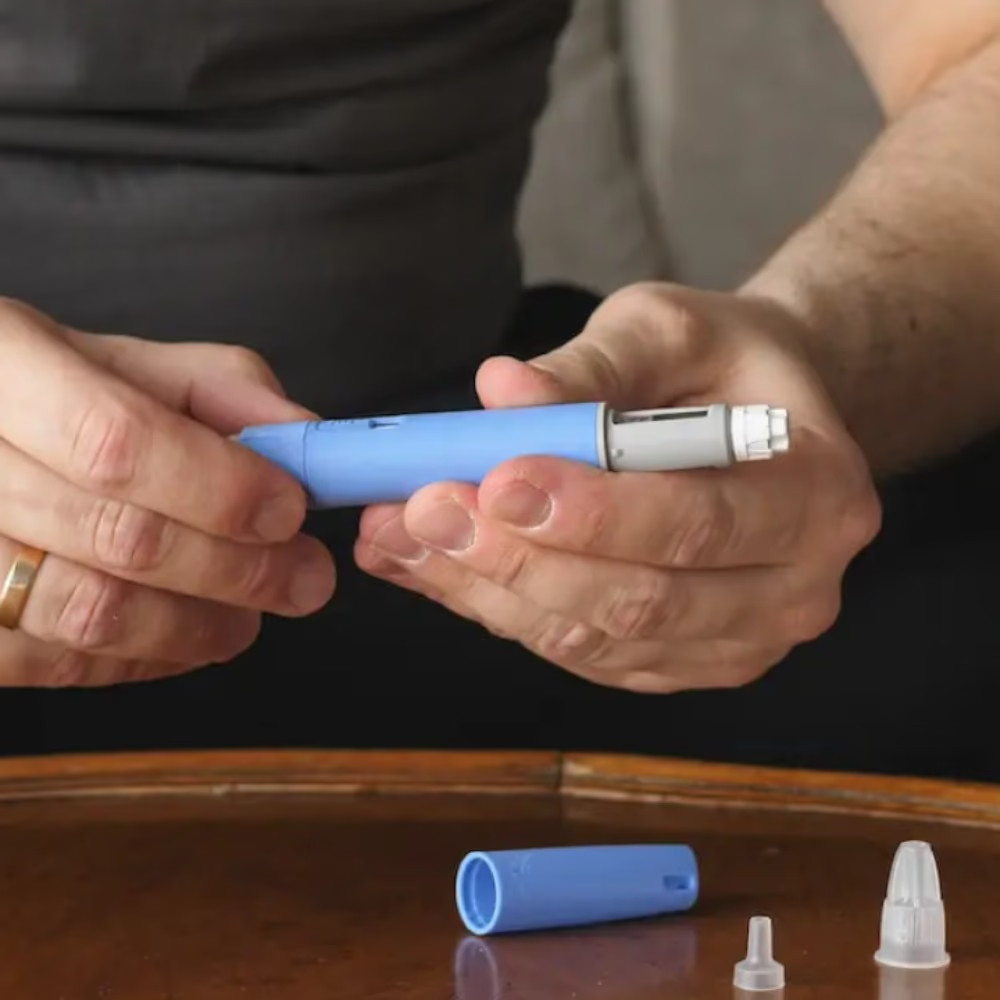
Despite alarming headlines linking Ozempic to cancer and organ damage, the clinical evidence tells a more measured story. Semaglutide (Ozempic) has been studied across the SUSTAIN clinical trial program in patients with type 2 diabetes, the SELECT cardiovascular outcomes trial spanning 175 weeks, and the FLOW chronic kidney disease trial. The most common long-term adverse events remain gastrointestinal, with nausea, diarrhea, and vomiting decreasing in frequency with continued treatment.
If you have been searching "will I be too sick to work" after reading about long-term side effects of Ozempic, you are not alone. Many patients share that worry before starting treatment. This guide reviews what the research actually shows, so you can have an informed conversation with your prescriber.
The information below is based on FDA prescribing information and published clinical trial data. You can view the
available through MedX Pharmacy. All prescription medications require a valid prescription from a licensed healthcare provider.
What SUSTAIN Trials Show About Long-Term Safety
The SUSTAIN program includes multiple Phase 3 clinical trials that evaluated semaglutide in patients with type 2 diabetes for up to two years. Across these trials, the most frequently reported side effects were gastrointestinal: nausea (15 to 20 percent of participants), diarrhea, vomiting, and constipation. These events were most common during dose escalation and decreased with continued use.
SUSTAIN-6, a cardiovascular outcomes trial, followed over 3,000 patients for approximately two years. That trial demonstrated a 26 percent reduction in major adverse cardiovascular events (MACE) compared to placebo. No new safety signals emerged during the extended observation period. For a detailed breakdown of common gastrointestinal side effects, see the Ozempic common side effects guide.
For many patients, the initial weeks of nausea settle into a predictable pattern. As one community member described the experience after several months: "it was actually a total anticlimax." Gradual dose titration, as outlined in the official Ozempic website, helps reduce early gastrointestinal symptoms.
Cancer Risk: Thyroid C-Cell Warning
Ozempic carries an FDA boxed warning for thyroid C-cell tumors based on findings in rodent studies with semaglutide. No confirmed cases of medullary thyroid carcinoma (MTC) have been attributed to semaglutide in humans. The FDA drug label contraindicates use in patients with a personal or family history of MTC or Multiple Endocrine Neoplasia syndrome type 2 (MEN 2).
The distinction between rodent and human data matters. Rodent thyroid C-cells respond differently to GLP-1 receptor agonists than human C-cells do. Post-marketing surveillance has not confirmed a causal link between semaglutide and thyroid cancer in humans. That said, the boxed warning exists for a reason. Patients with a family history of MTC should not use Ozempic.
If you notice a lump in your neck, difficulty swallowing, or persistent hoarseness, contact your healthcare provider promptly. These are standard monitoring steps, not reasons for alarm in the general population.
Long-Term Effects on the Pancreas, Kidneys, and Eyes
The FDA prescribing information for Ozempic identifies several organ-specific risks worth understanding. None of these are common, but all are medically relevant for long-term users.
Pancreas: Cases of pancreatitis, including fatal hemorrhagic and necrotizing forms, have been reported with GLP-1 receptor agonists. Symptoms include persistent, severe abdominal pain that may radiate to the back. If pancreatitis is suspected, Ozempic should be discontinued. Refer to the Cleveland Clinic overview for additional context on semaglutide monitoring.
Kidneys: Acute kidney injury (AKI) has been reported, primarily linked to dehydration from gastrointestinal side effects such as vomiting and diarrhea. This is not direct kidney toxicity. The FLOW trial actually demonstrated that semaglutide reduced eGFR decline, end-stage kidney disease, and cardiovascular death in patients with type 2 diabetes and chronic kidney disease. Semaglutide now carries an FDA-approved indication for CKD.
Eyes: SUSTAIN-6 identified diabetic retinopathy complications as a potential risk, particularly in patients with pre-existing retinopathy and rapid blood sugar improvement. Post-marketing reports also include non-arteritic anterior ischemic optic neuropathy (NAION), though no confirmed causal relationship has been established. Regular eye exams are recommended for patients with diabetes.
Cardiovascular and Kidney Benefits of Extended Use
In the SELECT cardiovascular outcomes trial, semaglutide 2.4mg reduced the risk of major adverse cardiovascular events by 20 percent compared to placebo in adults with established cardiovascular disease and overweight or obesity, over a median follow-up of approximately 40 months. This represents the longest controlled safety data available for semaglutide.
The FLOW trial provided additional long-term evidence. Semaglutide reduced the progression of chronic kidney disease in patients with type 2 diabetes, leading to an FDA-approved CKD indication. Together, SELECT and FLOW offer over three years of controlled data supporting extended use in appropriate patient populations.
These cardiovascular and kidney outcomes are significant because they reframe the long-term safety conversation. Extended use is not just tolerated in many patients. It may offer protective benefits for the heart and kidneys when prescribed appropriately. You can explore Ozempic at MedX Pharmacy for available formulations. A prescription from a licensed healthcare provider is required.
Is Ozempic Safe for Long-Term Use
Based on current evidence, Ozempic has a well-characterized safety profile across trials lasting up to 175 weeks (SELECT). The SUSTAIN program adds up to two years of Phase 3 data. No new safety signals have emerged with extended use beyond what the FDA prescribing information already documents.
Long-term use does require ongoing monitoring: thyroid symptoms, pancreatic enzymes, kidney function, and eye health. Ozempic is contraindicated in patients with MTC, MEN 2, prior hypersensitivity, type 1 diabetes, or diabetic ketoacidosis. Your healthcare provider can determine whether continued use is appropriate based on your individual health profile.
Is Ozempic Safe for Weight Loss Long Term
Ozempic (semaglutide 0.5mg and 1mg) is FDA-approved for type 2 diabetes, not for weight loss. Weight loss use of Ozempic is off-label. Wegovy (semaglutide 2.4mg) is the FDA-approved formulation for chronic weight management.
That said, both formulations contain the same active molecule. The STEP trials and SELECT trial demonstrated sustained weight reduction over one to three-plus years with semaglutide. The safety profile for weight loss mirrors what has been observed in diabetes trials. If your prescriber has recommended Ozempic off-label for weight management, the same monitoring guidelines apply. You can compare with Mounjaro safety data if you are evaluating alternatives.
Monitoring While on Ozempic Long Term
Staying on Ozempic for an extended period means partnering with your healthcare provider on regular check-ins. Below are the key areas to monitor, based on the FDA prescribing information.
Area | What to Watch | Frequency |
Thyroid | Neck lumps, difficulty swallowing, hoarseness | Report symptoms promptly |
Pancreas | Severe abdominal pain radiating to back | Report symptoms promptly |
Kidneys | Signs of dehydration, urine output changes | Lab work per prescriber schedule |
Eyes | Vision changes, especially with rapid glucose improvement | Annual dilated eye exam |
Gallbladder | Upper abdominal pain, nausea after meals | Report symptoms promptly |
Mental Health | Suicidal ideation (no signal vs placebo in SELECT) | Ongoing self-awareness |
Following the recommended Ozempic dosing guide with gradual titration helps reduce early side effects. If you are scheduled for surgery, discuss Ozempic with your anesthesiologist, as aspiration risk has been noted in the prescribing information.
Some patients also report changes in facial fullness (sometimes called "Ozempic face") or temporary hair thinning (telogen effluvium) with significant weight loss. These are not unique to Ozempic and are associated with rapid weight changes generally. If "ozempic face scared me" resonates with your experience, know that these changes are typically related to fat loss, not a direct medication effect.
Frequently Asked Questions About Ozempic Long-Term Safety
What are the long-term side effects of Ozempic?
The most common long-term side effects are gastrointestinal, including nausea, diarrhea, and vomiting. These typically decrease with continued use. Less common but medically important risks include pancreatitis, gallbladder disease, acute kidney injury from dehydration, diabetic retinopathy complications, and thyroid C-cell concerns. The SUSTAIN and SELECT trials showed a stable safety profile over extended observation periods. Discuss any persistent symptoms with your healthcare provider.
Is Ozempic safe to take for years?
The SELECT trial provides 175 weeks (approximately 3.4 years) of controlled safety data. The SUSTAIN program includes trials lasting up to two years. No new safety signals emerged with extended use. Benefits, including cardiovascular risk reduction, were sustained throughout the trial periods. Ongoing monitoring and regular prescriber visits are recommended for patients on long-term therapy.
What organ does Ozempic damage?
Ozempic does not "damage" organs as a routine effect. The FDA prescribing information identifies risks to the pancreas (pancreatitis), kidneys (AKI from dehydration), thyroid (C-cell warning based on rodent data), gallbladder (cholelithiasis), and eyes (retinopathy complications, NAION post-marketing). The FLOW trial showed kidney protection, not damage, in patients with type 2 diabetes and CKD. For a broader view, see the Ozempic common side effects overview.
Does Ozempic cause cancer long term?
Ozempic carries a boxed warning for thyroid C-cell tumors based on rodent studies. No confirmed cases of medullary thyroid carcinoma (MTC) have been attributed to semaglutide in humans. The medication is contraindicated in patients with MTC or MEN 2. Post-marketing surveillance is ongoing. There is no established link between semaglutide and other types of cancer.
Is Ozempic safe for weight loss long term?
Weight loss use of Ozempic is off-label. Wegovy (semaglutide 2.4mg) is the FDA-approved formulation for chronic weight management. Both contain the same molecule. The STEP and SELECT trials showed sustained weight reduction over one to three-plus years with consistent safety. The same monitoring guidelines apply regardless of the indication. Your prescriber can advise on the appropriate formulation.
Discuss Your Long-Term Plan With Your Provider
Understanding long-term side effects is an important step in making informed decisions about your treatment. You can view the Ozempic 1mg maintenance pen at MedX Pharmacy to see available options. A valid prescription from a licensed healthcare provider is required for all prescription medications.
If you are weighing Ozempic against other GLP-1 options, the complete Ozempic guide provides a comprehensive overview of dosing, costs, and clinical evidence.
Conclusion
The long-term side effects of Ozempic are well-documented across major clinical trials. Gastrointestinal symptoms decrease over time. The thyroid C-cell warning is based on rodent data with no confirmed human cases. Cardiovascular and kidney data from SELECT and FLOW show protective benefits with extended use.
The key takeaway is that long-term safety depends on appropriate prescribing, regular monitoring, and open communication with your healthcare provider. Ozempic is not without risks, but the evidence base for extended use is among the strongest in the GLP-1 class.
Browse diabetes and weight management medications at MedX Pharmacy. All orders require a valid prescription.
Medical Disclaimer: This article is for informational purposes only and does not constitute medical advice. Always consult your healthcare provider before starting, stopping, or changing any medication. The information presented is based on publicly available clinical data and prescribing information current at the time of writing. MedX Pharmacy is a licensed pharmacy; all prescription medications require a valid prescription from a licensed healthcare provider.
all blogs