


Paracetamol Tablets: Safe Use for Pain and Fever
Mar 18, 2026
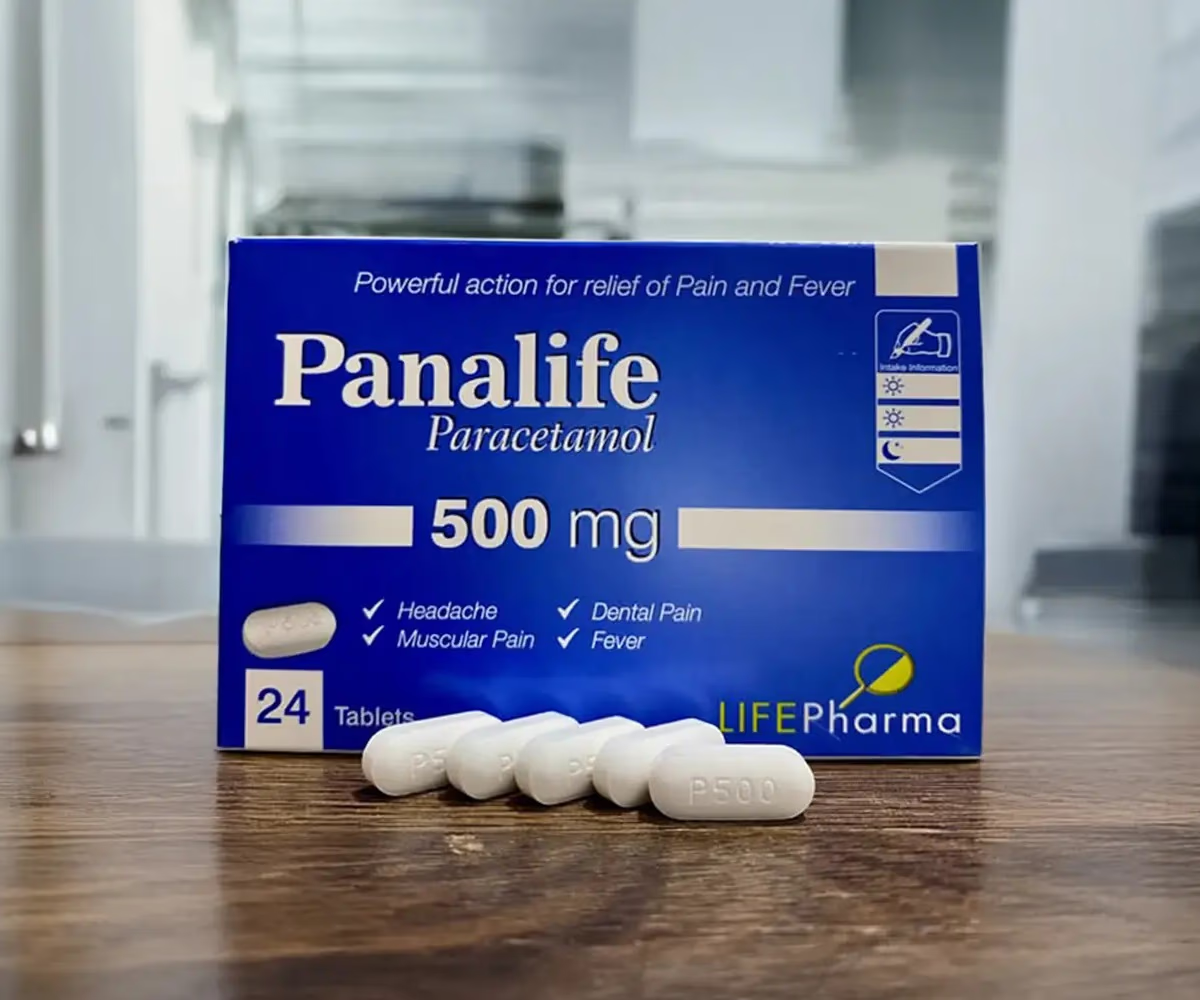
In almost every household medicine cabinet, you are likely to find a blister pack of paracetamol. As one of the most widely used over-the-counter medications in the world, it has earned a reputation as a reliable first line of defense against everyday ailments. Whether it is a nagging headache, a post-workout muscle ache, or a rising temperature, paracetamol is the go-to solution for millions. However, its accessibility often leads to a casual approach to its use. Understanding how this medication works, the correct dosages, and the safety boundaries is essential to ensuring that this common remedy remains a safe and effective tool for your health.
What is paracetamol?
Paracetamol, known in some regions as acetaminophen, is a medication classified as an analgesic (pain reliever) and an antipyretic (fever reducer). Unlike ibuprofen or aspirin, it is not an anti-inflammatory drug (NSAID), meaning it does not reduce swelling or redness. Instead, it works primarily within the central nervous system to elevate the body's overall pain threshold and act on the heat-regulating center of the brain to lower a fever. Its gentle nature on the stomach lining makes it a preferred choice for those who cannot tolerate traditional anti-inflammatory medications.
What are the uses of Paracetamol?
Paracetamol is remarkably versatile and is commonly used to treat:
● Headaches and Migraines: Provides quick relief for tension-type headaches.
● Fever: Effectively lowers body temperature during colds, flu, or after vaccinations.
● Musculoskeletal Pain: Eases backaches, sprains, and general muscle soreness.
● Period Pain: Helps manage cramps and discomfort during menstrual cycles.
● Dental Pain: Often recommended after dental procedures or for toothaches.
● Osteoarthritis: Used as a long-term management tool for mild to moderate joint pain.
Who Can Safely Take Paracetamol?
One of the reasons for paracetamol’s popularity is its broad safety profile. It can be safely taken by:
● Adults and Adolescents: The standard demographic for tablet use.
● Children and Infants: In specific liquid or "melt-in-the-mouth" formulations.
● Pregnant and Breastfeeding Women: Generally considered the safest painkiller choice during pregnancy.
● Elderly Patients: Often preferred because it has fewer interactions with common heart and blood pressure medications compared to NSAIDs.
Benefits of Paracetamol Tablets
● Stomach Friendly: It is much less likely to cause gastric ulcers or irritation than aspirin or ibuprofen.
● Fast Acting: When taken on an empty stomach, it can begin working in as little as 30 minutes.
● Accessible: Available without a prescription in most countries, making it a convenient option for acute pain.
● Compatibility: It can often be "stacked" with other medications (under medical advice) to provide more comprehensive pain relief.
What forms of paracetamol are available?
To cater to different ages and needs, paracetamol comes in several delivery methods:
1. Tablets and Capsules: The standard 500mg dose for adults.
2. Effervescent Tablets: Dissolve in water, making them easier for those who struggle to swallow pills.
3. Oral Suspensions: Syrups designed for children with kid-friendly flavors.
4. Suppositories: Useful for patients who are vomiting or unable to take oral medication.
5. Intravenous (IV) Infusion: Used in hospital settings for rapid post-surgical pain management.
What are the side effects of Paracetamol?
When taken at the recommended dosage, side effects are extremely rare. However, some individuals may experience:
● Allergic Reactions: Such as a skin rash or swelling.
● Blood Disorders: Very rare cases of low platelet or white blood cell counts.
● Nausea: Occasional stomach upset, though rare.
The most significant risk is liver damage, which almost exclusively occurs when the maximum daily limit is exceeded or if combined with heavy alcohol consumption.
How do I take paracetamol?
● For Adults: The standard dose is one or two 500mg tablets every 4 to 6 hours.
● The Maximum Limit: Never exceed 8 tablets (4 grams) in a 24-hour period.
● Administration: Swallow tablets whole with water. While it can be taken with or without food, taking it with food may slightly slow down the absorption rate.
Who should not take paracetamol?
While generally safe, you should consult a doctor before use if:
● You have severe liver or kidney problems.
● You have a history of chronic alcohol abuse.
● You are severely underweight or malnourished.
● You have a known allergy to paracetamol or any of the inactive ingredients in the tablet.
Conclusion
Paracetamol remains a cornerstone of modern medicine for a reason: it works effectively with minimal side effects for the vast majority of people. Whether you are managing a fever or a minor injury, it provides a reliable bridge to recovery. However, its safety is entirely dependent on respecting the dosage. By staying within the recommended limits and being mindful of other "hidden" sources of paracetamol in cold and flu medicines, you can ensure that this essential remedy remains a helpful part of your health toolkit.
FAQs of Paracetamol Tablets
What happens if I take too much paracetamol?
Taking too much can lead to serious liver failure. Symptoms of an overdose (like nausea and abdominal pain) may not appear for 24 hours, so if you suspect an overdose, seek emergency medical help immediately, even if you feel fine.
How can I avoid taking too much paracetamol?
Always check the labels of "all-in-one" cold and flu remedies. Many contain paracetamol, and taking them alongside standard tablets can accidentally push you over the 4-gram daily limit.
Can I take paracetamol with my other medicines?
Generally, yes. It has few interactions. However, avoid taking it with other medications that also contain paracetamol or with certain epilepsy and TB medications without a doctor's advice.
Can paracetamol be given to children?
Yes, but you should use liquid formulas specifically designed for children, as adult tablets are too high in dosage and difficult to split accurately.
How much paracetamol should I give my child?
Dosage for children is based on weight and age. Always follow the specific chart provided on the product packaging or consult your pediatrician.
Can I take paracetamol if I’m pregnant?
Yes. It is the preferred painkiller for pregnant women. However, it should be used at the lowest effective dose for the shortest possible time.
Which MG paracetamol is best for fever?
For most adults, the standard 500mg or 1000mg (two tablets) dose is effective for reducing fever.
Can I take paracetamol for fever and body pain?
Absolutely. Its dual-action formula is specifically designed to address both elevated temperature and physical discomfort simultaneously.
all blogs