


Pimples and Acne: Causes, Types, and Daily Care Tips
Mar 19, 2026
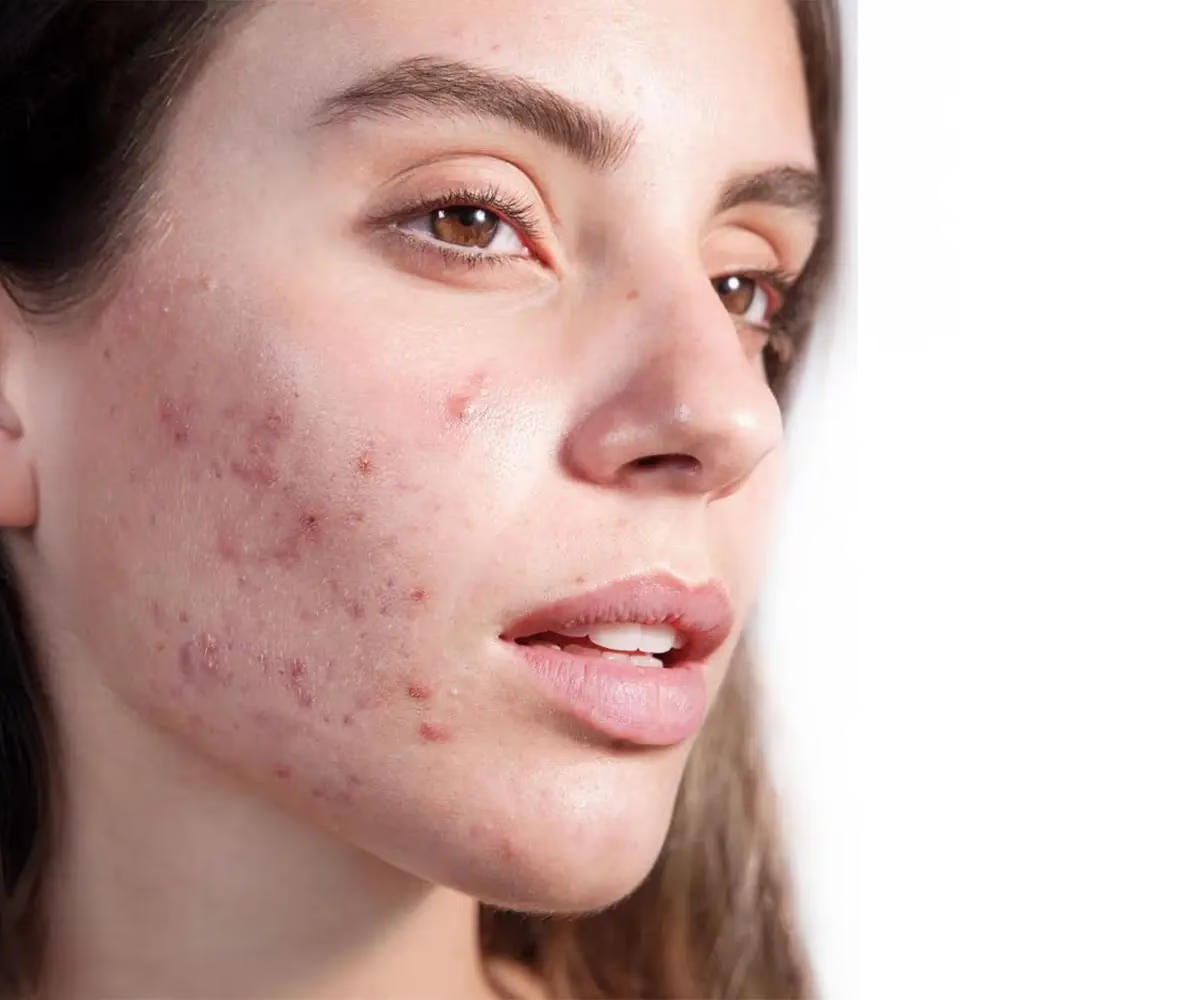
For many, the appearance of a breakout can feel like an unwelcome guest that refuses to leave. Whether it’s a single stubborn spot or a persistent flare-up, understanding the science behind your skin is the first step toward achieving a clear, radiant complexion. While often associated with the teenage years, acne and pimples are conditions that can affect individuals well into adulthood. By identifying the specific types of blemishes you are dealing with and adopting a tailored care routine, you can regain control over your skin’s health and confidence.
What Are Pimples and Acne?
At its core, acne is a chronic, inflammatory skin condition that involves the oil glands at the base of hair follicles. Pimples are the primary symptom of this condition. When these glands produce too much oil, dead skin cells and bacteria can become trapped, leading to various types of lesions. While the face is the most common site for breakouts, they can also appear on the back, chest, and shoulders where oil glands are most active.
Difference Between Acne and Pimples
Though the terms are often used interchangeably, there is a technical distinction. Acne is the overall medical condition or disease of the skin, while pimples are the individual small growths or inflammations that occur as a result of that disease. Think of acne as the "storm" and pimples as the "raindrops." Having a single pimple doesn't necessarily mean you have acne, but frequent, recurring breakouts usually indicate the chronic condition.
Types of Pimples and Acne
Understanding which type of blemish you have is essential for choosing the right treatment.
Whiteheads
Also known as closed comedones, these occur when a pore is completely blocked by oil and dead skin. Because the pore is closed to the air, it remains white or flesh-colored.
Blackheads
These are open comedones. Unlike whiteheads, the pore is open, exposing the trapped debris to oxygen. This causes the oil to oxidize and turn black, which is why they appear as dark tiny dots.
Papules
These are small, red, hard bumps that feel like sandpaper. They occur when the walls surrounding your pores break down from severe inflammation.
Pustules
Similar to papules, pustules are red and inflamed but have a white or yellow "head" filled with pus. Resist the urge to pop these, as it can push the infection deeper.
Nodules
Nodules are large, painful, and solid lesions lodged deep within the skin. They require professional medical attention because they do not respond well to over-the-counter creams.
Cystic Acne
The most severe form of acne, cysts are painful, pus-filled, and deep. They have a high risk of causing permanent scarring and usually require a dermatologist's intervention.
Causes of Pimples and Acne
Breakouts are rarely caused by just one factor; they are typically the result of a "perfect storm" of biological and lifestyle elements.
● Hormonal Fluctuations: Androgens (hormones that increase during puberty and menstrual cycles) cause oil glands to enlarge and produce more sebum.
● Excess Oil (Sebum) Production: When your skin produces too much oil, it becomes a magnet for debris.
● Clogged Hair Follicles: A buildup of "sticky" dead skin cells can plug the pore.
● Bacterial Growth: Cutibacterium acnes (C. acnes) is a bacteria that lives on the skin; when trapped in a pore, it multiplies rapidly.
● Inflammation: This is the body’s immune response to bacteria and oil, leading to redness and swelling.
● Stress: While stress doesn't cause acne, it releases cortisol, which can worsen existing breakouts.
● Diet and Lifestyle: High-glycemic foods (sugar and white bread) may trigger inflammation in some people.
● Wrong Skincare Products: Using heavy, oil-based (comedogenic) products can physically block your pores.
Acne Symptoms and Signs
Early detection can prevent long-term scarring. Look out for:
● Persistent redness and localized swelling.
● Tenderness or throbbing pain in specific areas of the face.
● Bumpy texture (whiteheads and blackheads).
● The appearance of pus-filled "heads."
● Post-inflammatory hyperpigmentation (dark spots that remain after a pimple heals).
How to Get Rid of Pimples
If you are dealing with an active breakout, these gentle approaches can help speed up the healing process:
● Exfoliate Gently: Use chemical exfoliants like Salicylic Acid (BHA) to dissolve the "glue" holding dead skin cells in the pores. Avoid harsh physical scrubs.
● Apply Warm Compress: For deep, painful spots, a warm compress can help soften the plug and encourage the pimple to come to a head or drain naturally.
● Natural Face Masks: Clay masks (Kaolin or Bentonite) are excellent for drawing out excess oil without irritating the skin.
● Spot Treatments: Look for ingredients like Benzoyl Peroxide to kill bacteria or Tea Tree Oil for its natural antimicrobial properties.
Daily Skincare Routine for Acne-Prone Skin
Consistency is the secret to clear skin. Follow this five-step daily regimen:
1. Cleansing: Use a gentle, pH-balanced cleanser twice a day. Avoid "squeaky clean" feelings, which indicate you've stripped your skin's protective barrier.
2. Toning: Use an alcohol-free toner to remove any remaining traces of debris and prep the skin for treatment.
3. Treating: Apply targeted serums (like Niacinamide or Vitamin C) or prescribed acne medications to the affected areas.
4. Moisturising: Many skip this, but dehydrated skin actually produces more oil. Use a lightweight, oil-free, gel-based moisturizer.
5. Sun Protection: Acne treatments often make skin sensitive to UV rays. Use a "non-comedogenic" sunscreen to prevent acne marks from turning into permanent dark spots.
How to Prevent Pimples
● Maintain Consistency: Don't switch products every three days. Skin needs at least 4–6 weeks to adapt.
● Use Non-Comedogenic Products: Check labels to ensure products won't clog pores.
● Skin-Healthy Diet: Focus on antioxidant-rich fruits, vegetables, and plenty of water.
● Avoid Touching Your Face: Your hands carry bacteria and oils that can transfer to your pores.
● Wash Hair Regularly: Hair oils can migrate to the forehead and cheeks, causing "pomade acne."
Tips for Managing Adult Pimples on the Face
Adult acne is often different from teenage acne; it usually appears on the lower face, jawline, and chin. It is frequently related to hormonal cycles or high stress levels. For adults, focusing on "barrier repair" is vital, as adult skin is thinner and more prone to dryness than teenage skin. Incorporating Retinoids can help by both clearing pores and addressing fine lines.
Acne Treatments
If home care isn't enough, there are professional avenues to explore:
● Topical Treatments: Prescription-strength retinoids or antibiotics.
● Oral Medications: Hormonal regulators (like birth control) or systemic antibiotics.
● Chemical Peels: Professional-grade acids used to deeply exfoliate and resurface the skin.
● Light Therapy: Using specific wavelengths of light to kill bacteria and reduce inflammation.
When to See a Dermatologist for Acne
You should book a professional consultation if:
● Your acne is causing physical pain.
● Over-the-counter products have shown no results after three months.
● You notice scarring or deep indentations forming.
● The condition is significantly affecting your self-esteem or mental health.
Conclusion
Pimples and acne are a part of life for many, but they don't have to be a permanent fixture. By understanding your skin type, choosing non-clogging products, and maintaining a steady routine, you can significantly reduce the frequency and severity of breakouts. Remember, skin healing takes time. Be patient, be gentle, and don't hesitate to seek professional help for persistent issues.
FAQs of Pimples and Acne
Can adult pimples recur even after treatment?
Yes. Because adult acne is often linked to internal factors like hormones and stress, it can flare up periodically even after successful initial treatment.
Can adult pimples cause permanent scars?
Yes, especially if they are cystic or if you frequently pick at them. Early treatment is the best way to prevent scarring.
Are adult pimples different from teenage pimples?
Generally, yes. Teenage acne is often caused by overall oiliness (T-zone), while adult acne is more likely to be inflammatory and centered around the "U-zone" (jaw and chin).
Does over-washing the face help reduce pimples?
No. Over-washing strips the skin of essential oils, causing it to produce even more oil to compensate, which can worsen breakouts.
Does my diet really affect my acne?
For many people, yes. While it varies by individual, dairy and high-sugar foods are common triggers for skin inflammation.
Can stress cause acne breakouts?
Stress doesn't create the bacteria, but it triggers hormones that increase oil production, making a breakout much more likely.
What should I do about acne scars?
Look for ingredients like Alpha Hydroxy Acids (AHAs) for surface marks, or consult a professional for laser treatments or microneedling for deeper physical scars.
all blogs