


Retinol for Beginners: How to Choose Your First Serum or Cream
Jun 22, 2026
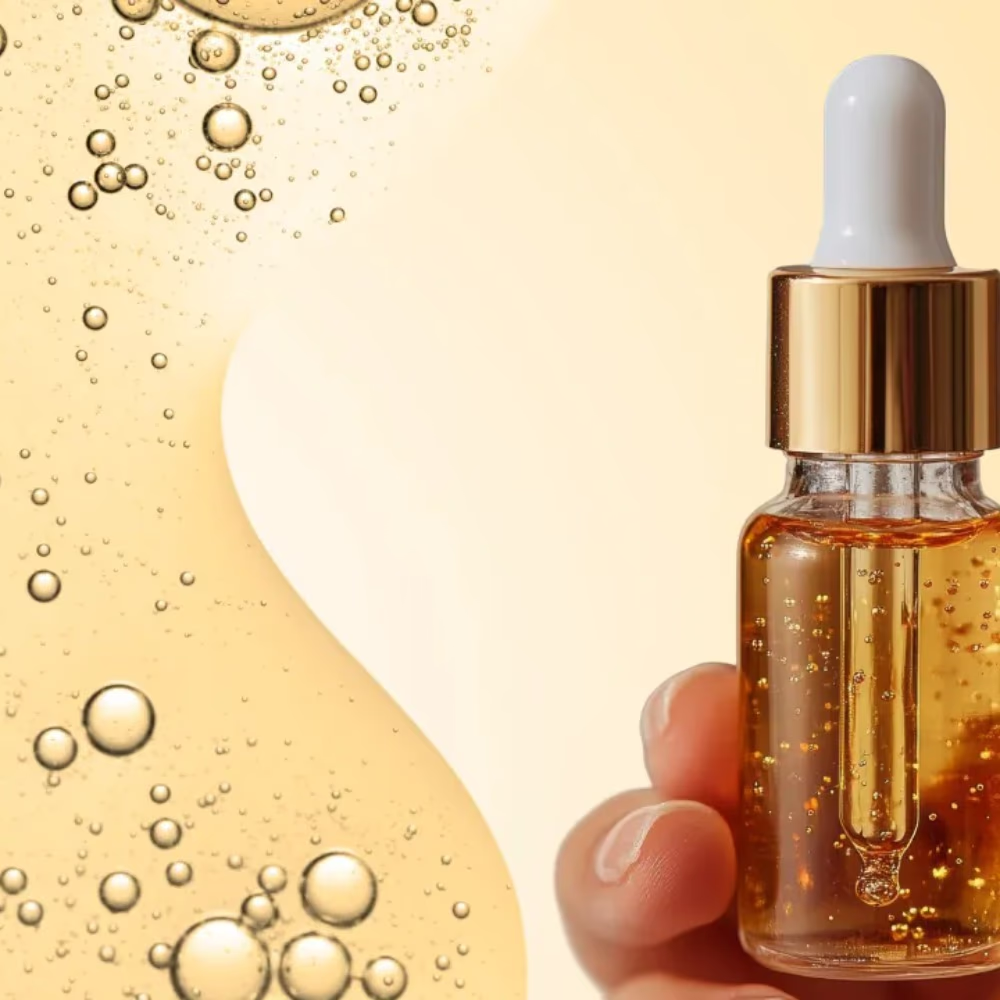
Retinol is a vitamin A derivative that speeds up skin cell turnover and supports collagen, which is why it helps with fine lines, texture and breakouts. For a first-timer, the safest start is a low percentage, two nights a week, with plenty of moisturiser. Choosing the right format and strength is what keeps you from peeling.
If the percentages and the peeling stories have put you off, they should not. Starting retinol well is mostly about going gentle and slow, not about finding some perfect bottle. This is the calm, pharmacist-led version: which serum or cream to begin with, how to build up without your skin flaking off, and when, if ever, to step up to something stronger.
What is retinol and what does it do for your skin?
Retinol is a vitamin A derivative used in skincare. It converts in the skin to retinoic acid, the active form that speeds cell turnover and supports collagen, which improves fine lines, texture and blemishes. As an over-the-counter retinoid, retinol is gentler than prescription tretinoin, which makes it the usual starting point.
That conversion step is the key to understanding both why retinol works and why it can irritate. As your skin turns over faster, dead surface cells shed quicker, so skin looks smoother and clearer over time. While your skin adjusts to that faster pace, it can get dry, flaky or pink. That settling-in phase is normal, and a slow start keeps it mild.
Be realistic about timing. Retinol is not an overnight fix. Visible improvement in tone and texture shows over roughly 8 to 12 weeks of consistent use, and the deeper collagen benefits build over months. Anyone promising wrinkles gone in a week is selling, not advising.
Retinol serum or cream: which format should a beginner choose?
Neither format is stronger by default. The difference is the base, and the right base depends on your skin. A serum is lighter and absorbs fast, which suits oily and combination skin. A cream carries the retinol in a richer, more cushioning base, which suits dry, mature or easily irritated skin because the extra moisture buffers the active.
- Oily or combination skin: a serum feels better and is less likely to clog. Pair it with a separate moisturiser on top.
- Dry or mature skin: a cream is kinder, since the moisture in the base softens the adjustment phase.
- Sensitive skin: a cream or an encapsulated serum, which releases the retinol more slowly and gently.
If you are not sure, a cream is the more forgiving first choice. You can always move to a serum later once your skin is comfortable with retinol.
Which retinol percentage should you start with?
This is where most beginners freeze, and it is simpler than it looks. Start low. A higher percentage is not better, it is just harsher, and going too strong too soon is the single most common reason people give up on retinol after a week of peeling.
- 0.2% to 0.3%: the beginner zone. Gentle, effective with consistent use, and the right starting point for most first-timers and all sensitive skin.
- 0.5%: a reasonable start for resilient skin with no history of reacting, or a step up once you tolerate a lower strength.
- 1%: not a beginner strength. Save it for later, if at all. Most people never need it, because how consistently you use retinol matters more than the number on the label.
Here is the format and strength choice in one place, so you can match it to your skin at a glance.
Skin type or goal | Format to choose | Starting strength | How to begin |
Dry or mature skin | Cream | 0.2% to 0.3% | Richer base cushions the active. Two nights a week. |
Oily or combination | Serum | 0.3% to 0.5% | Lighter feel, absorbs fast. Two nights a week. |
Sensitive or reactive | Cream, or an encapsulated serum | 0.2%, lowest you can find | Buffer with moisturiser. One night a week to start. |
Confident, no sensitivity | Serum | 0.5% | Still start two nights a week, then build up. |
How to start retinol without peeling: a beginner routine
Peeling and redness are not proof retinol is working. They are usually a sign you went too fast. A slow ramp gets you the same results with far less irritation. Build up on this schedule and let your skin set the pace.
Week | Frequency | What to watch for |
Weeks 1 to 2 | Two nights a week | Mild dryness or tingling is normal. Stinging that lasts is not. |
Weeks 3 to 4 | Alternate nights | Skin should feel more used to it. Ease off if it flares. |
Week 5 onward | Nightly, if your skin is comfortable | Stay at alternate nights if nightly irritates. There is no prize for going faster. |
A few habits make the difference between a smooth start and a flaky one:
- Use a pea-sized amount for your whole face. More product means more irritation, not faster results.
- Apply to dry skin in the evening, then moisturiser on top.
- Try the sandwich method if you are sensitive: a layer of moisturiser, then your retinol, then moisturiser again. The buffering calms the active without cancelling it.
- Wear SPF 30 or higher every morning. Retinol makes skin more sensitive to the sun, and unprotected sun undoes the work and worsens irritation.
The moisturiser you pair with retinol matters as much as the retinol itself. A barrier-supporting night cream with ceramides works well for both buffering and the sandwich method, and a gentle cleanser to pair with retinol stops your cleansing step from stripping skin that is already adjusting.
Safety lines that matter.
Retinol and other retinoids are not used during pregnancy or breastfeeding. This is general information, not medical advice. If retinol causes persistent burning, or your skin is broken or already irritated, stop and see a doctor or pharmacist before continuing.
Retinol, retinal or tretinoin: when should you step up?
Retinol is the gentle first rung of the vitamin A ladder, and for most people it is all they ever need. If, after a few months, your skin handles retinol easily and you want faster results, there are two stronger steps.
The next cosmetic step is retinal, also called retinaldehyde. It sits one conversion step closer to the active form, so it works faster while still being something you buy over the counter. If you are weighing the upgrade, how retinal compares to retinol is worth reading before you switch.
Above both cosmetic options sits the prescription form, tretinoin. It is the active retinoic acid itself, the strongest and fastest of the three, used for set goals under medical guidance. How prescription tretinoin works and what results to expect and choosing your first tretinoin strength are separate decisions a doctor guides, not a casual upgrade.
Tretinoin is prescription-only.
In the UAE, tretinoin requires a prescription. Speak to a doctor or a MedX pharmacist before using it. You cannot buy it over the counter the way you can a retinol serum.
If a doctor has prescribed it, a prescription-strength tretinoin such as Acretin 0.025% is the lowest common starting strength. For nearly all beginners, though, the honest answer is to stay on retinol, get consistent, and only think about stepping up much later.
Which first retinol should you buy?
Match the product to your skin rather than to the marketing. Use the table above as your shortlist: cream for dry or sensitive skin, serum for oily or combination, lowest sensible percentage either way. Then look for a formula that pairs retinol with calming ingredients like niacinamide or ceramides, which make the adjustment phase easier.
If you want a simple, well-formulated place to begin, a gentle, entry-level vitamin A booster is an easy first step, designed to be tolerable for newer users. Whatever you pick, the rule is the same: start low, go slow, and let your skin lead.
Frequently asked questions
How do I use retinol for the first time as a beginner?
Start with a low percentage, around 0.2% to 0.3%, two nights a week. Apply a pea-sized amount to dry skin in the evening, then moisturiser on top, and wear SPF every morning. Build up frequency slowly over a few weeks as your skin adjusts, rather than using it nightly straight away.
Will retinol make my skin peel?
It can if you start too strong or too often, but peeling is avoidable. Begin at a low strength, use it twice a week, and buffer with moisturiser. Mild dryness early on is normal. Heavy peeling or persistent stinging means you are going too fast, so ease off rather than pushing through.
Which retinol percentage should a beginner use?
Most beginners should start at 0.2% to 0.3%. Sensitive skin should start at the lowest strength available. A higher percentage is harsher, not better, and consistency matters more than concentration. You can step up gradually once your skin tolerates a lower strength comfortably.
Can I use retinol every night?
Not at first. Start two nights a week and build up over several weeks. Many people reach nightly use eventually, but some skin is happiest at alternate nights long-term. Going nightly too soon is the most common cause of irritation, so let your skin's comfort set the frequency.
Can retinol fade dark spots and help acne?
Yes. By speeding cell turnover, retinol helps fade post-blemish marks and uneven tone over time, and it can reduce breakouts by keeping pores clearer. Results build over weeks, not days. Stubborn acne or pigmentation is worth discussing with a doctor, who may suggest a prescription option.
Can I use retinol during pregnancy?
No. Retinol and other retinoids are avoided during pregnancy and breastfeeding. If you are pregnant, trying to conceive, or nursing, pause retinol and ask your doctor about pregnancy-safe alternatives, such as gentler ingredients for texture and brightness like vitamin C or azelaic acid.
How long does retinol take to work?
Expect visible improvement in texture and tone over roughly 8 to 12 weeks of consistent use, with deeper benefits building over months. Retinol rewards patience and regular use far more than high strength, so stick with a gentle routine rather than chasing fast results.
Should I use a retinol serum or cream?
Choose by skin type. A serum is lighter and suits oily or combination skin. A cream is richer and kinder to dry, mature or sensitive skin because the base buffers the active. Neither is stronger by default, so pick the format your skin will tolerate most comfortably.
Starting retinol the calm way
Starting retinol comes down to one rule: start gentle and go slow. Pick the format that suits your skin, begin at a low percentage a couple of nights a week, moisturise well, and wear sunscreen. Build up only as your skin allows, and step up to retinal or prescription tretinoin later, if ever. If you are unsure which first retinol fits your skin, ask a MedX pharmacist to match one to you before you buy.
all blogs