


Simple Tips to Calm and Care for Itchy Eczema Skin
Mar 12, 2026
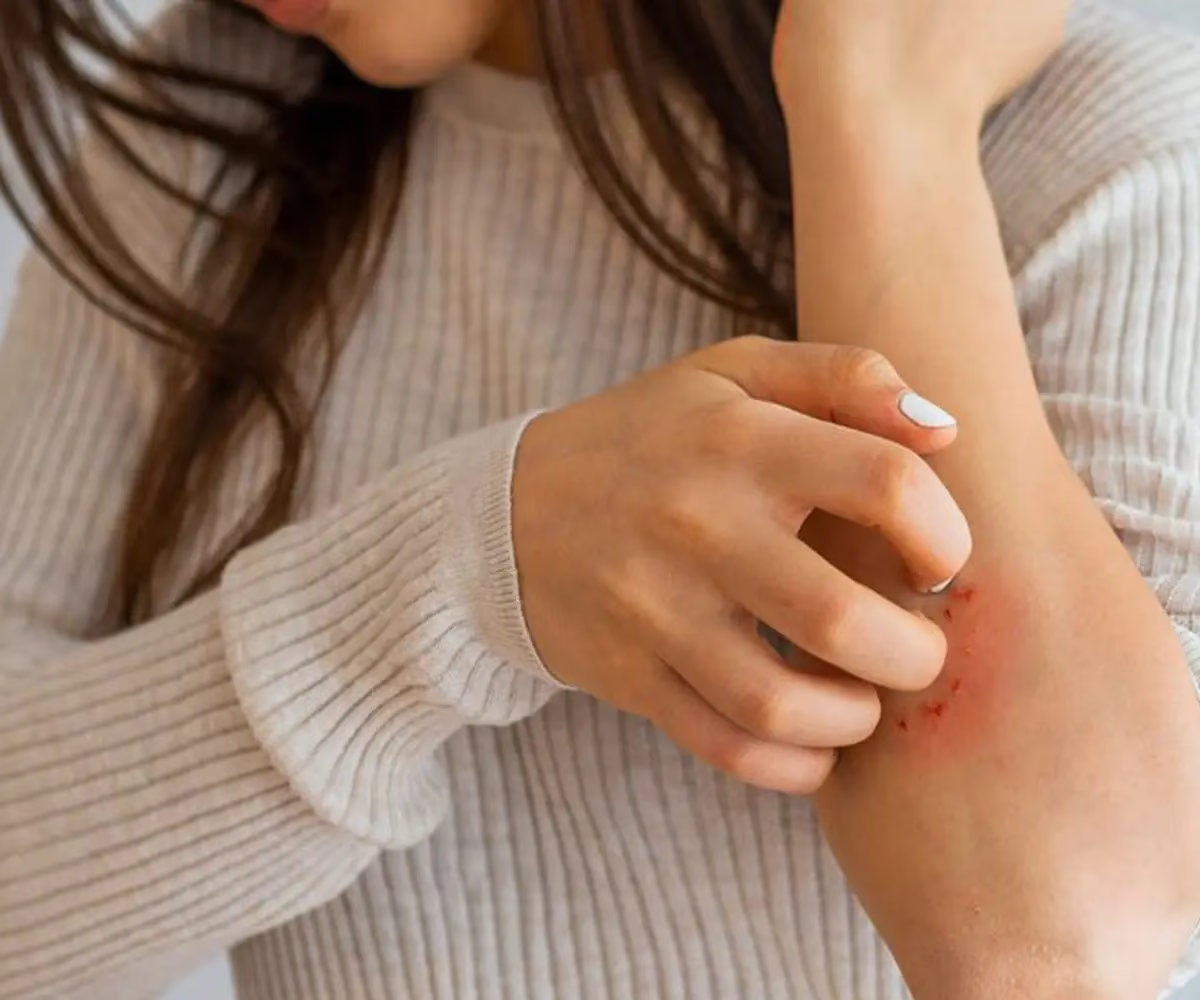
Living with eczema is more than just dealing with dry skin; it is a constant battle against the "itch-scratch cycle." For those who suffer from this condition, the urge to scratch can be overwhelming, often leading to broken skin, sleepless nights, and heightened stress. Eczema, or atopic dermatitis, occurs when the skin’s natural barrier is weakened, allowing moisture to escape and irritants to enter. While there is currently no permanent cure, managing the discomfort is entirely possible. By adopting specific daily habits and using the right soothing agents, you can calm the inflammation and reclaim the comfort of your own skin.
Understanding Itchy Eczema
Eczema is a chronic inflammatory skin condition that manifests as red, flaky, and intensely itchy patches. It isn't just a surface-level issue; it is a sign that your skin's immune system is overreacting to environmental triggers. When the skin barrier is "leaky," it loses the essential lipids and oils that keep it supple. This leaves the nerve endings beneath the skin exposed and hypersensitive, which is why even a slight change in temperature or a stray thread of wool can feel like a major irritation.
What causes eczema itching?
The itch associated with eczema is complex. It is triggered by a combination of factors:
● Dryness: When skin lacks water, it shrinks and cracks, triggering nerve signals that the brain interprets as an itch.
● Inflammation: The body releases chemicals like histamines in response to triggers, which causes blood vessels to dilate and the skin to become "angry" and itchy.
● Environmental Triggers: Pollen, pet dander, harsh soaps, and even sweat can settle into the cracks of eczema-prone skin, causing an immediate reaction.
● The Microbiome: An imbalance of bacteria on the skin’s surface (such as an overgrowth of Staph bacteria) can release toxins that worsen the itching sensation.
Daily Care Tips to Soothe Itchy Eczema Skin
The way you treat your skin during your daily routine dictates how often flare-ups occur. Consistency is your greatest ally.
Gentle Cleansing Tips
Hot water is a major enemy of eczema as it strips away protective oils. Stick to lukewarm water for showers and limit them to 5–10 minutes. Use "soap-free" cleansers that are pH-balanced. Avoid rubbing your skin with a washcloth; instead, use your hands to gently apply cleanser and rinse thoroughly.
Importance of Moisturizing
The "3-Minute Rule" is essential: apply a thick moisturizer within three minutes of exiting the shower while your skin is still slightly damp. This traps the surface moisture into your skin. During a flare-up, you may need to moisturize four to five times a day to keep the barrier reinforced.
Wear Soft, Breathable Clothing
Fabric choice is critical. Synthetic materials like polyester and natural but "prickly" fibers like wool can act as physical irritants. Stick to 100% cotton, silk, or bamboo fabrics. These allow the skin to breathe and prevent sweat from becoming trapped against the itchy patches.
Avoid Scratching the Skin
Scratching provides temporary relief but causes long-term damage. It creates micro-tears in the skin, leading to more inflammation and potential infection. If the urge is too great, try gently "tapping" or "patting" the itchy area with your fingertips instead of using your nails.
Best Products for Eczema Relief
When shopping for relief, look for products that carry the "National Eczema Association" seal or are labeled as fragrance-free and hypoallergenic.
Moisturizing Creams & Ointments
Ointments (like petroleum jelly) are the most effective because they have the highest oil content and stay on the skin longer. Creams are the next best option. Avoid lotions, as they often have a high water content and contain preservatives that can sting sensitive skin.
Anti-Itch Lotions
Over-the-counter lotions containing pramoxine hydrochloride or mild hydrocortisone can help dampen the itch signal. However, steroid-based creams should only be used for short periods to avoid thinning the skin.
Hypoallergenic Cleansers
Look for "syndet" bars (synthetic detergents) or creamy liquid cleansers. These are designed to clean without disrupting the skin’s acidic mantle.
Barrier Repair Creams
Modern dermatological products now include Ceramides. These are lipids that naturally occur in the skin. Using a ceramide-dominant cream helps "glue" the skin cells back together, effectively repairing the leaky barrier.
Home Remedies for Itchy Eczema Skin
For immediate, natural relief, these home-based solutions can be incredibly effective:
Coconut Oil
Virgin coconut oil has natural antibacterial properties and is an excellent emollient. It can help reduce the presence of harmful bacteria on theskin while providing a soothing layer of moisture.
Aloe Vera Gel
Pure aloe vera gel is highly anti-inflammatory and cooling. It is particularly helpful if your eczema feels "hot" or looks exceptionally red. Ensure the gel is 100% pure and free from added alcohols.
Oatmeal Baths
Colloidal oatmeal (finely ground oats) is a time-tested remedy. When added to a lukewarm bath, the oats form a protective film on the skin and help lock in moisture while soothing the itch.
Cold Compress
Applying a cold, damp cloth or an ice pack (wrapped in a towel) to a flare-up for 10 minutes can "numb" the itch and reduce swelling quickly.
Lifestyle Tips to Prevent Flare-Ups
● Monitor Humidity: Use a humidifier in the winter to prevent the air from drying out your skin.
● Trim Your Nails: Keep your fingernails short and smooth to minimize damage if you happen to scratch in your sleep.
● Manage Stress: Stress triggers the release of cortisol, which can increase inflammation and make the itch feel more intense.
● Fragrance-Free Laundry: Use liquid, fragrance-free detergents and skip the fabric softener, which is a common eczema trigger.
When to Seek Medical Help
Persistent Itching
If the itch is preventing you from sleeping or performing daily activities despite home care, you may need prescription-strength treatments or light therapy.
Signs of Infection
If you notice yellow crusting, weeping fluid, pus, or if the skin feels excessively hot and painful, you may have a secondary bacterial infection that requires antibiotics.
Repeated Flare-Ups
If your eczema clears up and immediately returns, a dermatologist can help identify specific allergies through patch testing.
Conclusion
Caring for itchy eczema skin is a marathon, not a sprint. It requires a gentle touch and a commitment to protecting your skin barrier every single day. By switching to mild cleansers, moisturizing religiously with ceramide-rich creams, and using cooling home remedies, you can break the cycle of itching and scratching. Remember, your skin is a living organ that responds to how you treat it—stay patient, stay hydrated, and give your skin the protection it deserves.
FAQs of Tips to Calm and Care for Itchy Eczema Skin
Can diet affect eczema itching?
For some, certain foods like dairy, eggs, or gluten can trigger an internal inflammatory response that shows up on the skin. Keeping a food diary can help you identify if specific foods correlate with your flare-ups.
How can I manage eczema itching at night?
Apply a thick layer of ointment and wear clean, cotton gloves or socks over your hands to prevent nighttime scratching. Keeping the bedroom cool also helps, as heat often intensifies the itch.
What are safe moisturizing products for eczema?
Look for "occlusives" like white petrolatum (Vaseline) or "emollients" containing ceramides and glycerin. Always avoid products with "fragrance," "parabens," or "essential oils" like lavender or peppermint, which can be irritating.
How can I prevent eczema from coming back?
While you can't always prevent it entirely, you can minimize "coming back" by never skipping your moisturizing routine—even when your skin looks healthy—and avoiding your known environmental triggers.
all blogs