


The Complete Ozempic (Semaglutide) Guide for 2026
May 28, 2026
If you have been prescribed Ozempic, or you are trying to separate reliable information from social media noise, you are not the only one feeling overwhelmed. Ozempic is one of the most discussed medications in the world right now, and the volume of conflicting information makes it difficult to know what is accurate.
Ozempic (semaglutide) is a GLP-1 receptor agonist manufactured by Novo Nordisk, administered as a once-weekly subcutaneous injection. It holds three FDA approvals: improving glycemic control in adults with type 2 diabetes, reducing cardiovascular risk in T2D patients with established heart disease, and slowing kidney disease progression in T2D patients with chronic kidney disease.
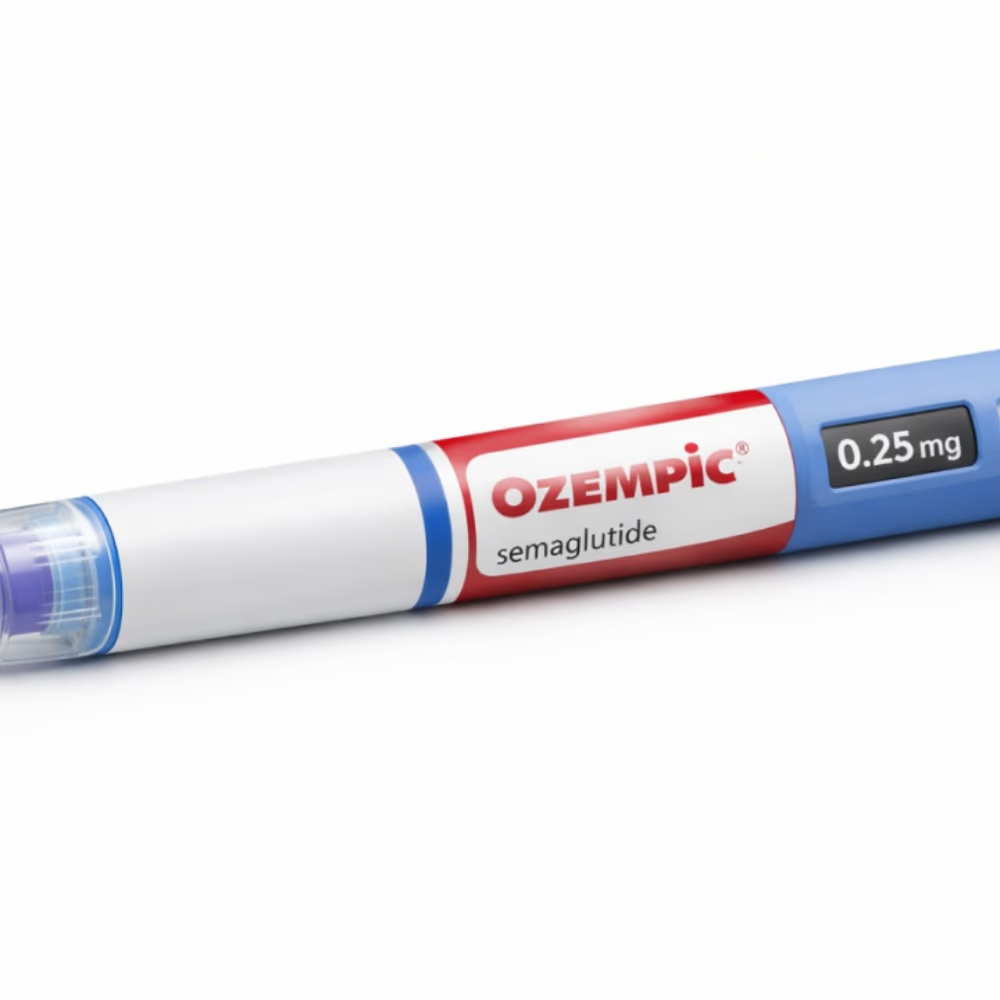
This complete guide covers everything you need to know about Ozempic: what it is, how it works, the full dosage range, side effects, UAE pricing, and how it compares to other semaglutide brands. The information is based on FDA prescribing information and published clinical trial data. You can view the Ozempic 0.25mg pre-filled pen at MedX Pharmacy. All prescription medications require a valid prescription from a licensed healthcare provider.
What Is Ozempic (Semaglutide)?
Ozempic is the brand name for semaglutide, a medication developed by Novo Nordisk. The meaning of Ozempic as a brand refers specifically to the injectable semaglutide formulation approved for type 2 diabetes. The generic name, semaglutide, is the active molecule shared across multiple brands.
The FDA first approved Ozempic in December 2017 for adults with type 2 diabetes. Since then, approvals have expanded to include cardiovascular risk reduction (2020) and chronic kidney disease (January 2025). It is administered once weekly via a pre-filled pen. The official Ozempic website provides manufacturer resources for patients.
Ozempic is available in three pen strengths: 0.25mg/0.5mg (shared pen for dose escalation), 0.5mg, and 1mg. Each pen is designed for subcutaneous injection. In the SUSTAIN clinical trials, patients achieved HbA1c reductions of up to 1.8% and weight loss of up to 6.5kg over 30 weeks.
How Ozempic Works: The GLP-1 Mechanism
Semaglutide mimics the natural GLP-1 hormone produced in the gut after eating. It binds to GLP-1 receptors in the pancreas, brain, and digestive tract, enhancing insulin secretion when blood sugar is elevated, suppressing glucagon release, slowing gastric emptying to increase satiety, and reducing appetite through central nervous system signaling.
Explained simply: after you eat, your body naturally releases GLP-1 to help manage blood sugar. Ozempic is a longer-lasting version of that hormone. It stays active in the body for about a week, which is why one injection per week is sufficient. The Mayo Clinic overview provides additional context on how GLP-1 receptor agonists function.
Unlike Mounjaro (tirzepatide), which activates both GIP and GLP-1 receptors, Ozempic works on the GLP-1 pathway alone. This is a single-receptor mechanism. Both approaches are clinically effective, but they differ in how they influence metabolism.
FDA-Approved Uses: Diabetes, Heart, and Kidneys
Ozempic is the only GLP-1 medication with three distinct FDA-approved indications. The FDA label update (2025) confirms all three:
Type 2 diabetes. Ozempic is approved as an adjunct to diet and exercise for improving glycemic control in adults with type 2 diabetes. This was the original approval in 2017.
Cardiovascular risk reduction. In 2020, the FDA approved Ozempic to reduce the risk of major adverse cardiovascular events (MACE) in adults with type 2 diabetes and established cardiovascular disease. The SUSTAIN-6 trial demonstrated a 26% reduction in MACE.
Chronic kidney disease. In January 2025, the FDA approved Ozempic to reduce the risk of sustained eGFR decline, end-stage kidney disease, and cardiovascular death in adults with type 2 diabetes and CKD. The FLOW trial provided the supporting evidence.
Ozempic is not FDA-approved for weight loss. Weight management is approved under the Wegovy brand (semaglutide 2.4mg). Weight loss use of Ozempic is off-label and should be discussed with a healthcare provider. For weight loss data, see the weight loss results guide.
Ozempic Dosage Guide: 0.25mg to 2mg
Ozempic uses a structured dose escalation. All patients start at 0.25mg once weekly for the first four weeks. This is a tolerability dose, not a therapeutic one. Your prescriber will increase the dose based on your response.
Dose | Purpose | Duration | Product |
0.25mg | Starting dose (tolerability) | Weeks 1-4 | Ozempic 0.25mg pre-filled pen |
0.5mg | First maintenance dose | Weeks 5+ | |
1mg | Higher maintenance dose | If more control needed | |
2mg | Maximum dose | If more control needed | Available in some markets |
Dose increases should only occur under prescriber guidance. Never self-adjust or double up on missed doses. For detailed titration timing and missed-dose instructions, see the dosing schedule guide.
Ozempic Oral Tablet: The New Semaglutide Option
On February 4, 2026, the FDA approved an oral semaglutide tablet in three strengths: 1.5mg, 4mg, and 9mg, taken daily. This is a newer formulation that offers an alternative to the weekly injection for patients with type 2 diabetes.
The oral tablet uses a different absorption mechanism. Semaglutide tablets must be taken on an empty stomach with no more than 4 ounces of plain water, at least 30 minutes before eating, drinking, or taking other oral medications. This is because semaglutide is a peptide that requires specific conditions for absorption.
Rybelsus is an earlier oral semaglutide brand (7mg and 14mg daily) that has been available since 2019. The new oral tablet represents a higher-dose option. Note that the oral tablet is not currently listed on MedX Pharmacy. Ozempic pre-filled pens remain available across all three injectable dosages.
How to Use the Ozempic Pen
The Ozempic pen is a pre-filled, multi-dose injection device. Unlike the Mounjaro KwikPen (single use), the Ozempic pen contains multiple doses and uses a dial to select your prescribed amount. New needles are attached before each injection.
Store the pen in the refrigerator before first use. Once in use, it can be kept at room temperature (below 30 degrees Celsius) for up to 56 days. Inject subcutaneously in the abdomen, thigh, or upper arm. Rotate injection sites each week. The injection takes approximately 5 to 10 seconds.
If you are apprehensive about self-injection, the needle gauge (30 to 34 gauge) is very fine, and most patients report minimal discomfort. For step-by-step visual instructions, see the injection guide.
Ozempic Side Effects: Common and Serious
In the SUSTAIN clinical trials, the most common side effects of semaglutide were gastrointestinal: nausea (15-20%), diarrhea (8-9%), vomiting (5-9%), constipation (5-6%), and abdominal pain (5-7%). These effects typically occurred during dose escalation and decreased with continued treatment. Ozempic carries a boxed warning for thyroid C-cell tumors observed in rodent studies.
Most GI side effects are mild to moderate and respond to dose titration. Eating smaller meals, staying hydrated, and avoiding high-fat foods can help manage symptoms during the escalation period.
Serious side effects documented in the FDA prescribing information include:
Thyroid C-cell tumors (Boxed Warning). Semaglutide caused thyroid C-cell tumors in rodent studies. No confirmed cases have been attributed to semaglutide in humans. Ozempic is contraindicated in patients with a personal or family history of medullary thyroid carcinoma (MTC) or Multiple Endocrine Neoplasia syndrome type 2 (MEN 2).
Pancreatitis. Cases of acute pancreatitis, including fatal hemorrhagic and necrotizing forms, have been reported. Severe, persistent abdominal pain should prompt immediate medical evaluation.
Diabetic retinopathy complications. SUSTAIN-6 identified increased risk in patients with pre-existing retinopathy and rapid blood sugar improvement. Post-marketing reports include non-arteritic anterior ischemic optic neuropathy (NAION), though no confirmed causal link has been established.
Gallbladder disease. Cholelithiasis and cholecystitis have been reported. Upper abdominal pain, especially after meals, should be discussed with your provider.
Acute kidney injury. AKI has been reported, primarily linked to dehydration from GI side effects. Adequate hydration is important, especially during dose escalation.
Some patients also experience changes in facial fullness (commonly called "Ozempic face"), which is related to facial fat loss rather than a direct drug effect. Temporary hair thinning (telogen effluvium) has also been reported with significant weight loss.
As of March 2026, approximately 3,363 GLP-1 related lawsuits are pending in the United States, primarily involving claims of gastroparesis and intestinal obstruction. These are ongoing legal proceedings and do not represent confirmed findings. The clinical reference at Drugs.com provides additional safety data.
For detailed incidence rates and management strategies, see the side effects guide. For risks associated with extended use, see the long-term safety overview.
Who Should Not Take Ozempic
Ozempic is contraindicated in patients with a personal or family history of medullary thyroid carcinoma (MTC) or Multiple Endocrine Neoplasia syndrome type 2 (MEN 2). It is also contraindicated in patients with known hypersensitivity to semaglutide or any of its components.
Ozempic is not indicated for patients with type 1 diabetes or diabetic ketoacidosis. Caution is advised in patients with a history of pancreatitis. If you are pregnant, planning pregnancy, or breastfeeding, discuss risks with your prescriber before starting. If surgery requiring anesthesia is scheduled, inform your surgical team, as delayed gastric emptying may increase aspiration risk.
Ozempic Cost and Availability in the UAE
In the UAE market, Ozempic pen prices generally range from AED 740 to AED 1,200 per pen, depending on dosage strength, pharmacy, and supply conditions. Prices may vary based on insurance coverage and sourcing.
Semaglutide patents are expiring in several countries starting in 2026, which may affect pricing and availability in the medium term. MedX Pharmacy is a licensed UAE-based online pharmacy that offers Ozempic across all three injectable dosages. A valid prescription from a licensed healthcare provider is required for all orders.
For a full breakdown of price comparisons and cost-saving strategies, see the Ozempic pricing guide. To learn about the ordering process, visit the buy Ozempic UAE page.
Semaglutide Brands: Ozempic, Wegovy, and Rybelsus
Multiple brands share the semaglutide brand name. Understanding the differences prevents confusion:
Brand | Form | Approved For | Dose Range |
Ozempic | Weekly injection | T2D, CV risk, CKD | 0.25-2mg |
Wegovy | Weekly injection | Weight management | 0.25-2.4mg |
Rybelsus | Daily oral tablet | T2D | 3/7/14mg |
Oral tablet (2026) | Daily oral tablet | T2D | 1.5/4/9mg |
All four contain semaglutide and are made by Novo Nordisk. The key difference is the approved indication and dosing. Using Ozempic for weight loss is off-label; Wegovy is the FDA-approved option for that purpose. Your prescriber can determine which formulation suits your needs.
Frequently Asked Questions About Ozempic
Is Ozempic used for weight loss?
Ozempic is not FDA-approved for weight loss. It is approved for type 2 diabetes, cardiovascular risk reduction, and chronic kidney disease. Wegovy (semaglutide 2.4mg) is the FDA-approved brand for chronic weight management. Off-label use of Ozempic for weight loss is common but should be discussed with a healthcare provider. In the STEP trials, semaglutide 2.4mg achieved 12-15% body weight reduction.
What are the side effects of Ozempic?
The most common side effects are gastrointestinal: nausea (15-20%), diarrhea (8-9%), vomiting (5-9%), constipation (5-6%), and abdominal pain (5-7%). These typically decrease with continued use. Ozempic carries a boxed warning for thyroid C-cell tumors based on rodent studies. Serious risks include pancreatitis, gallbladder disease, acute kidney injury, and diabetic retinopathy complications.
How much weight can you lose in a month with Ozempic?
In the SUSTAIN clinical trials, patients lost an average of 4 to 6kg over 30 weeks, which translates to roughly 0.5 to 0.8kg per week. Individual results vary based on dose, diet, exercise, and baseline weight. Ozempic is not approved for weight loss; any weight reduction is considered a secondary effect when prescribed for diabetes.
Who cannot take Ozempic?
Ozempic is contraindicated in patients with medullary thyroid carcinoma (MTC), MEN 2, or hypersensitivity to semaglutide. It is not for type 1 diabetes or diabetic ketoacidosis. Caution is advised with a history of pancreatitis, pregnancy, and pre-surgical settings due to aspiration risk.
Do you gain weight back after stopping Ozempic?
Weight regain after discontinuation is common with GLP-1 medications, including Ozempic. Clinical evidence suggests that a significant portion of weight lost during treatment may return after stopping. Lifestyle changes, including diet and physical activity, can help sustain results. Your prescriber can help plan around discontinuation timing.
Is Ozempic the same as Wegovy?
Ozempic and Wegovy both contain semaglutide and are made by Novo Nordisk. The key difference is the approved indication: Ozempic is for type 2 diabetes (and CV/CKD), while Wegovy is for chronic weight management. Wegovy uses higher doses (up to 2.4mg) and different pen packaging. They are not interchangeable without prescriber guidance.
Is there a pill form of Ozempic?
Yes. An oral semaglutide tablet was FDA-approved on February 4, 2026, in daily strengths of 1.5mg, 4mg, and 9mg for type 2 diabetes. Rybelsus (7mg and 14mg daily) is an earlier oral semaglutide brand available since 2019. The oral forms require specific administration: empty stomach, plain water only, 30 minutes before food or other medications.
Exploring Your Ozempic Options
If your healthcare provider has prescribed Ozempic, or if you are evaluating it as an option, you can view product details and available dosages at MedX Pharmacy. Visit the explore all Ozempic dosages page to see all three injectable strengths. A valid prescription is required for all prescription medications.
Conclusion
Ozempic (semaglutide) is a GLP-1 receptor agonist with the broadest range of FDA approvals in its class: type 2 diabetes, cardiovascular risk reduction, and chronic kidney disease. The SUSTAIN, SELECT, and FLOW clinical programs provide extensive evidence for its efficacy and safety profile.
This guide covered what Ozempic is, the GLP-1 mechanism, all three FDA-approved indications, the dosage range from 0.25mg to 2mg, the new oral tablet option, common and serious side effects (including lawsuit context), contraindications, UAE cost and availability, and the distinction between Ozempic, Wegovy, and Rybelsus. Each topic links to a dedicated spoke guide on the MedX blog.
The most important next step is a conversation with your prescriber. Bring the questions this guide raised, discuss whether Ozempic fits your health profile, and make a decision grounded in clinical evidence. All Ozempic orders through MedX Pharmacy require a valid prescription.
Medical Disclaimer: This article is for informational purposes only and does not constitute medical advice. Always consult your healthcare provider before starting, stopping, or changing any medication. The information presented is based on publicly available clinical data and prescribing information current at the time of writing. MedX Pharmacy is a licensed pharmacy; all prescription medications require a valid prescription from a licensed healthcare provider.
all blogs