


The Gut-Brain Connection: Why a Healthy Gut Means a Healthy Mind
Feb 27, 2026
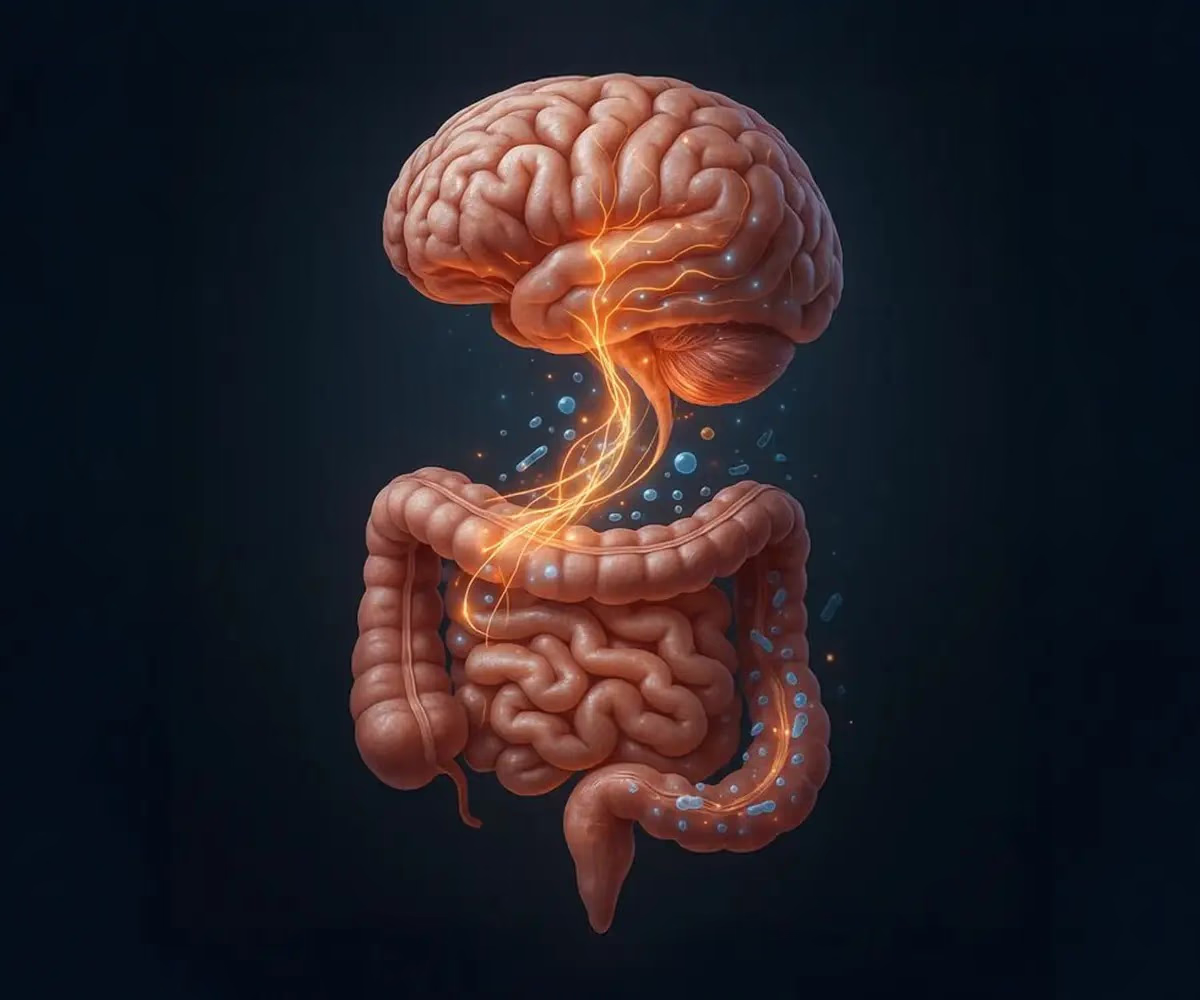
Have you ever felt "butterflies" in your stomach before a big presentation, or had a "gut feeling" about a decision? These aren't just colorful metaphors; they are literal manifestations of the complex relationship between your digestive system and your brain. For decades, Western medicine treated the mind and the body as separate entities. However, groundbreaking research is revealing that the gut and the brain are in constant, high-speed communication. This intricate network, often called the "second brain," plays a fundamental role in how we think, feel, and react to the world around us. Understanding this connection is the key to unlocking better mental health through physical wellness.
What Is the Gut-Brain Connection?
The gut-brain connection is a bidirectional communication network that links the central nervous system (CNS) with the enteric nervous system (ENS). While the brain is the command center of the CNS, the ENS is a vast web of millions of neurons lining your entire digestive tract. This connection is so profound that the gut actually produces many of the same neurotransmitters as the brain, such as serotonin and dopamine. In fact, an estimated 90% of the body's serotonin—the hormone responsible for happiness and mood stabilization—is produced in the gut, not the head.
How Does the Gut-Brain Connection Work?
This internal dialogue doesn't rely on just one pathway. Instead, it uses a sophisticated multi-channel system to send messages back and forth.
Nervous System Communication
The primary physical link between the gut and the brain is the Vagus Nerve. This is one of the largest nerves in the body, acting like a superhighway for signals. It monitors everything from digestion to heart rate. When the gut is inflamed or stressed, the Vagus nerve sends "distress signals" to the brain, which can manifest as anxiety or mental fatigue.
Chemical Signaling
The gut and brain communicate via chemical messengers called neurotransmitters. Bacteria in the gut produce chemicals like Gamma-aminobutyric acid (GABA), which helps control feelings of fear and anxiety. If the gut environment is imbalanced, the production of these calming chemicals drops, leaving the brain more vulnerable to stress.
Immune System Interaction
The gut contains approximately 70-80% of the body’s immune cells. The gut-brain axis uses the immune system as an intermediary. When the gut lining is compromised (often called "leaky gut"), inflammatory markers are released into the bloodstream. These markers can cross the blood-brain barrier, potentially leading to "brain fog" and low mood.
Microbiome Influence
The microbiome—the trillions of bacteria, viruses, and fungi living in your intestines—acts as a third party in this conversation. These microbes break down food and produce short-chain fatty acids (SCFAs) like butyrate, which protect the brain and improve cognitive function.
Why Gut Health Is Linked to Mental Well-Being
The state of your digestive system serves as a barometer for your mental state. A healthy gut with a diverse population of "good" bacteria promotes emotional stability. Conversely, an overgrowth of harmful bacteria can lead to systemic inflammation. Research has shown that people with a more diverse microbiome tend to have lower levels of cortisol (the stress hormone) and higher resilience against emotional triggers. In essence, a balanced gut provides the chemical foundation upon which a healthy mind is built.
Impact of Digestion on Mental Health Conditions
The physical act of digestion and the health of the gastrointestinal tract have a direct impact on clinical mental health outcomes.
Gut-Brain Axis
The "axis" is a feedback loop. This means that while a distressed gut can cause anxiety, a stressed brain can also cause digestive issues. This is why people with chronic stress often suffer from irritable bowel syndrome (IBS) or indigestion.
Microbiome Influence
An imbalanced microbiome, known as dysbiosis, has been linked to several mental health conditions. When "bad" bacteria dominate, they can produce toxins that negatively affect the brain's neurochemistry, potentially exacerbating symptoms of depression.
Mood Fluctuations
Blood sugar spikes and drops, often caused by poor digestion of carbohydrates and sugars, lead to irritability and "hangriness." A gut that processes nutrients efficiently helps maintain steady energy levels, which stabilizes mood throughout the day.
Increased Stress Levels
Chronic gut inflammation keeps the body in a "fight or flight" state. This constant low-level physiological stress makes it much harder for the brain to relax, leading to burnout and chronic exhaustion.
The Role of Gut Microbiome
To understand the gut-brain connection, we must look closer at the microscopic inhabitants of our digestive tract.
Good vs Bad Bacteria
A healthy gut is like a thriving garden. "Good" bacteria (probiotics) keep the soil fertile and keep "weeds" (bad bacteria/pathogens) in check. When the bad bacteria take over—often due to poor diet, antibiotics, or stress—the entire ecosystem collapses, leading to both physical and mental symptoms.
How Microbiome Balance Influences Emotions
Certain strains of bacteria are now being called "psychobiotics" because of their ability to influence the mind. These bacteria help regulate the hypothalamic-pituitary-adrenal (HPA) axis, which is the body’s central stress response system. A balanced microbiome ensures this system doesn't overreact to minor stressors.
Effects on Cognitive Function and Memory
The gut microbiome influences the production of Brain-Derived Neurotrophic Factor (BDNF), a protein that acts like "Miracle-Gro" for brain cells. Higher levels of BDNF are associated with improved memory, faster learning, and better long-term cognitive health.
Nutrients & Supplements That Support a Healthy Gut-Brain Axis
Improving your mental health can often start at the dinner table or the supplement cabinet.
● Probiotics and Fermented Foods: Foods like yogurt, kefir, sauerkraut, and kimchi introduce live beneficial bacteria to the gut, directly supporting the gut-brain link.
● Prebiotics for Healthy Gut Bacteria: Prebiotics are the "food" for your good bacteria. Found in garlic, onions, bananas, and asparagus, they ensure your probiotics stay strong and active.
● Omega-3 Fatty Acids: Found in fish oil and flaxseeds, these are essential for reducing brain inflammation and maintaining the structural integrity of brain cells.
● Magnesium & Vitamin D: Magnesium helps relax the muscles of the digestive tract and the nervous system, while Vitamin D is crucial for maintaining the gut barrier and mood regulation.
● Herbal Supplements: Ashwagandha is an adaptogen that helps the brain manage stress, while Turmeric (curcumin) is a powerful anti-inflammatory that benefits both the gut lining and brain health.
How to Improve Gut-Brain Connection?
Healing this connection requires a holistic approach that addresses both ends of the axis.
Eat a Healthy Diet
Prioritize whole, unprocessed foods. High-fiber plants, lean proteins, and healthy fats provide the raw materials your gut needs to produce mood-regulating chemicals. Avoid excessive sugar, which feeds the harmful bacteria that cause mental fog.
Get Regular Exercise
Movement stimulates peristalsis (the movement of food through the gut) and increases microbiome diversity. Exercise also releases endorphins, which soothe the gut-brain axis.
Take Prebiotics and Probiotics
If you cannot get enough from food, high-quality supplements can help rebalance a damaged microbiome, especially after a round of antibiotics.
Manage Stress
Since the connection is a two-way street, mental stress can physically damage your gut. Practices like meditation, deep breathing, and adequate sleep help "calm" the Vagus nerve, allowing the gut to heal.
Conclusion
The gut-brain connection is a powerful reminder that our bodies are integrated systems. You cannot treat the mind in isolation from the body, and you cannot expect a healthy mind to reside in a neglected gut. By nourishing your microbiome through a balanced diet, strategic supplementation, and stress management, you are doing more than just improving digestion—you are providing your brain with the peace and chemistry it needs to thrive.
FAQs of Gut-Brain Connection
Can gut issues cause anxiety or depression?
Yes. Inflammation in the gut and an imbalance of bacteria can send signals to the brain that trigger symptoms of anxiety and low mood.
How to heal an unhealthy gut?
Focus on removing inflammatory foods (sugar, processed oils), adding fermented foods, increasing fiber intake, and managing daily stress.
What foods are best for gut health?
Fiber-rich vegetables, fruits, bone broth, fermented foods (kimchi, kefir), and healthy fats like avocado and olive oil.
Do probiotics really improve mental health?
Research suggests they can. Certain "psychobiotic" strains have been shown to reduce cortisol levels and improve symptoms of mild to moderate anxiety.
Do probiotics really improve mental health?
Absolutely. Stress triggers the "fight or flight" response, which diverts blood flow away from the digestive system, leading to bloating, pain, and altered bowel habits.
How do I fix my gut-brain connection?
Consistency is key. Combine a probiotic-rich diet with stress-reduction techniques like meditation to soothe the Vagus nerve and balance the microbiome.
Is there a relationship between the gut and the brain?
Yes, they are physically and chemically linked via the Vagus nerve, the immune system, and neurotransmitters, forming the "gut-brain axis."
all blogs