


The Working of Digestive Enzymes and Why They Matter for Gut Health
May 28, 2025
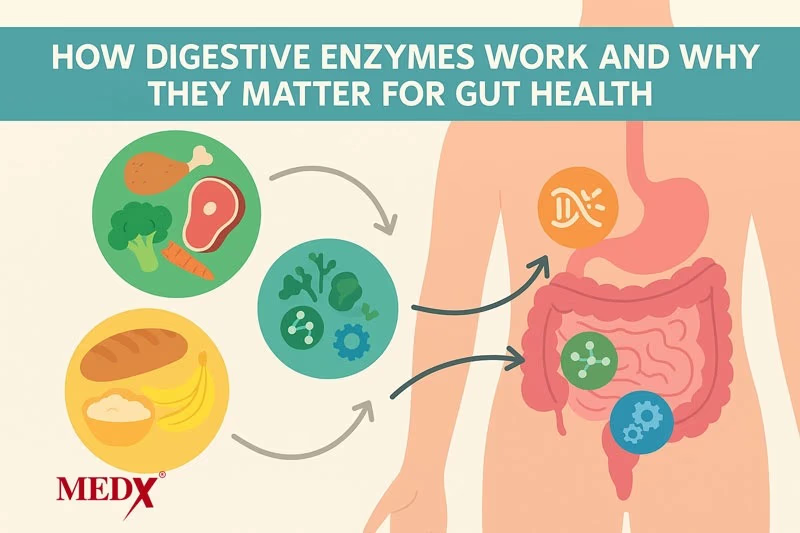
When someone asks us to picturize digestion, we often imagine stomach churning food and intestines absorbing all the nutrients from it. But what is less talked about or often goes unnoticed is the behind-the-curtain efforts of digestive enzymes. These enzymes, which are also microscopic molecules, play a critical role in ensuring that the body gets the nutrients it needs, without them even the most nutritious meal can turn into a missed opportunity.
What are Digestive Enzymes?
Digestive enzymes are proteins that help expedite the process of breaking down food in absorbable, smaller components. Produced by different parts of the digestive system ranging from stomach, salivary glands, pancreas, and small intestines, every enzyme type has a specific work to perform: amylase focuses on carbohydrates, lipase manages fats, and protease handles protein.
Much before the food even reaches stomach digestion starts with salivary amylase enzymes breaking down the food starches. By the time meal comes into the stomach and then intestine, other enzymes get activated. This joint effort helps ensure that the molecules in your food get converted into nutrients that the body can use.
To understand this better, let us break down the digestion process from enzymes point of view.
It starts with the first bite, when you chew, saliva doesn’t just moisten food but also breaks it down through the enzyme action. Once the food reaches the stomach, gastric juices consisting of hydrochloric acid and pepsin, other enzymes come into the picture. Pepsin starts digesting proteins preparing them for pancreatic enzymes in the small intestine. As the partially digested food moves through the small intestine, they are met with pancreatic juices which contain lipase, amylase, and protease. These enzymes then finally finish the job by breaking down carbohydrates in simpler form of sugars, fats in fatty acids, and proteins, glycerol in amino acids.
Finally our small intestine then absorbs all the nutrients and sends them into the bloodstream.
Why are Digestive Enzymes Critical for Your Gut Health?
Gut health is not only about avoiding irregularity or bloating, it influences everything from the immune system to mental well-being - an equation for which enzymes are critical.
When the body fails to produce sufficient enzymes or if they are not working correctly, food can remain undigested in the gut much longer than it should. A situation which can cause gas, diarrhea, or even constipation. In fact, it can also disrupt the bacteria balance in your gut microbiome - the microorganisms which live in your digestive tract and regulate everything from mood to metabolism.
Without properly functioning enzymes, the gut can become the breeding ground for inflammation and bad bacteria - the primary causes of food sensitivities, leaky gut, and chronic gastrointestinal conditions.
Since we have been talking a lot about enzyme deficiency and what happens when it happens, let us also shed some light on the why. What causes enzyme deficiency in us?
Our body typically produces all the enzymes it requires. However, there are a few situations that can impact its production such as issues like celiac disease, Crohn's disease, and pancreatitis.
Age is another factor, as we get older our body produces less enzymes, which is why they face dietary discomfort over time.
In some cases, lifestyle choices also leave an impact. For people who follow a low fiber, high processed food diet, overuse antacids, and have chronic stress, enzyme production can get disrupted and when this happens situations like heartburn, bloating, and fatigue start surfacing right after they eat.
Which Food Sources Support Natural Enzyme Production?
Certain meals either offer your body the ability to manufacture more enzymes or include enzymes in their natural state. Examples of fruits that are high in bromelain and papain, which are enzymes that aid in the digestion of proteins, are pineapple and papaya.
In addition, fermented foods such as yoghurt, kefir, kimchi, and sauerkraut are not only delicious but also beneficial since they include probiotics, which contribute to the maintenance of a healthy environment in the stomach in which enzymes can perform their functions effectively. Aside from that, maintaining proper hydration and chewing meals fully are also quite helpful.
Giving your enzymes the opportunity to perform their function from the very beginning of the digestive process can make a discernible difference in the outcome.
Can We Supplement Digestive Enzymes?
The answer is yes. It is a common practice to take digestive enzyme supplements - which are very easily accessible without a prescription - in order to assist with enzyme deficits or to enhance digestion during meals that are high in fat or protein.
Typically, these dietary supplements consist of a combination of enzymes such as amylase, protease, and lipase, and they are consumed either just prior to or in the middle of meals. It is essential, however, to make cautious use of them. Although enzyme supplements may be beneficial, they should not be used in place of the natural enzyme production that occurs within the body.
When used as a short-term help or in situations where medical problems warrant their usage, they give the most effective results. However, on the safe side, in the event that you are contemplating taking supplements, it is usually a good idea to see a healthcare expert, particularly if you already have digestive difficulties.
Looking at the Big Picture: Enzymes and the Wellness of the Whole Body
Digestive health is the cornerstone of overall physical well-being. And only when the enzymes are able to perform their functions effectively, your body is able to extract more nutrients, more energy, and additional support for the functioning of the immune system, hormones, and the brain from the food that you consume.
On the other hand, prolonged poor digestion can decrease your energy levels, cause inflammation, and result in health problems that last for a long time when left untreated.
Even though digestive enzymes are very little molecules, the influence that they have is anything but insignificant.
They are essential components of the intricate symphony of digestion that enables your body to maintain and improve its health.
The process of digestion is typically taken for granted. The majority of the time, most of us eat and then move on without giving much thought to what will happen after that. The fact of the matter is that digestion is indeed one of the most complex processes that your body goes through on a daily basis. Digestive enzymes, despite their lack of visibility, play a crucial role in the process.
Paying attention to the way in which your body breaks down food is an excellent place to begin, regardless of whether you are someone who gets periodic digestive discomfort or simply wants to enhance the health of your gut.
Supporting your digestive enzymes, whether via the natural consumption of food or through the use of supplements when necessary, can have a significant impact on how you feel, how well you absorb nutrients, and how well you maintain your general health.
all blogs