


Unlocking the Power of Sports Nutrition: Benefits and Essentials
Aug 06, 2025
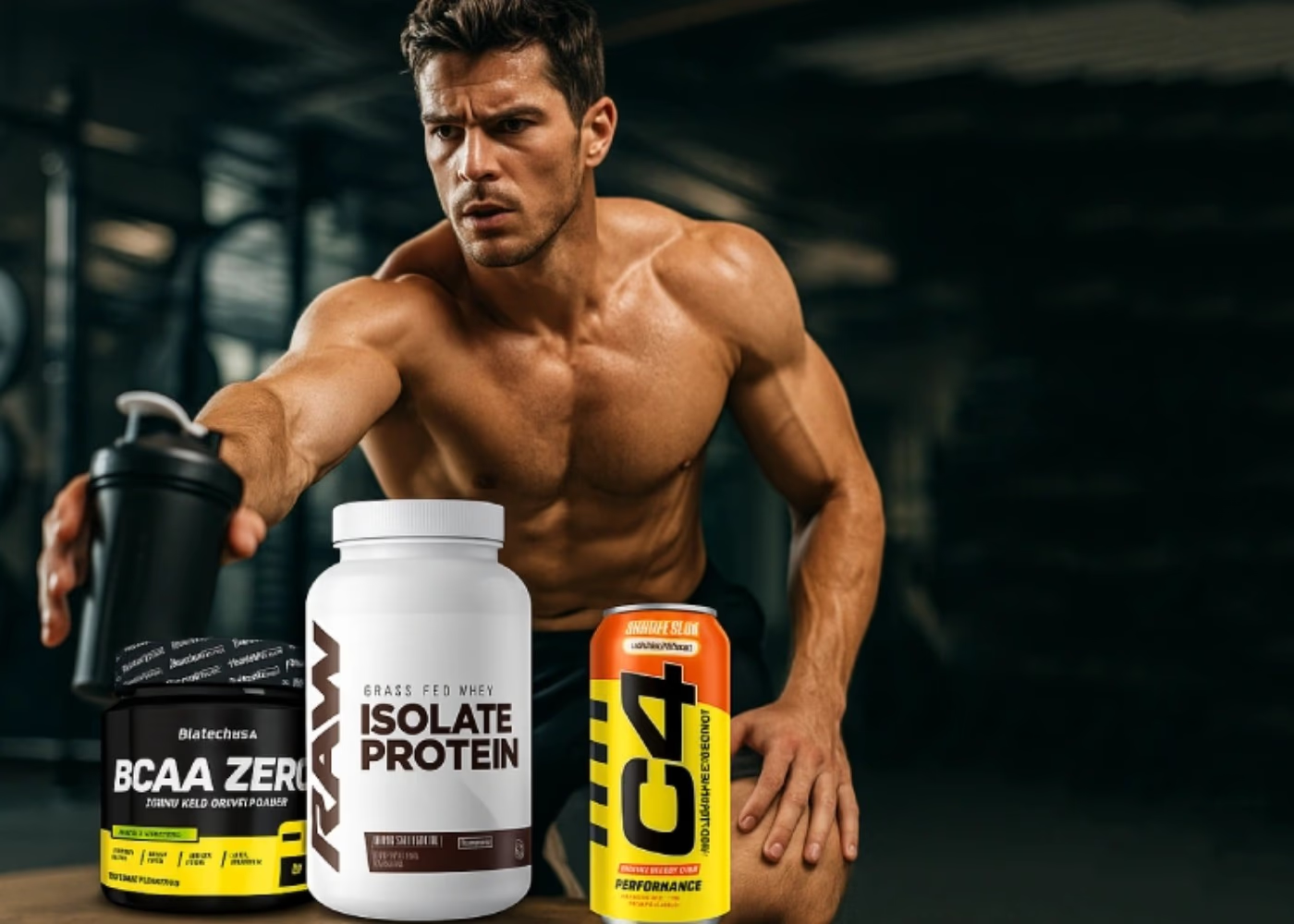
Behind every powerful sprint, every clean lift, every match-winning performance - there’s more than just practice. There’s food and not just any food, but fuel that supports the strain and stress athletes put their bodies through day in and day out. And that’s exactly where sports nutrition for athletes comes in.
It’s no longer just the elite who think about it. From high school footballers to endurance runners, there has been a growing realization: your training doesn't stop at the gym or track, it continues on your plate. That’s why sports nutrition for athletes is now seen less as a bonus, and more as the base of performance.
What is Sports Nutrition?
Sports nutrition is rhythm - it’s how food, fluids, and sometimes supplements quietly power the day-to-day grind of athletic performance. You’ll hear people toss around words like “macros” or “fueling,” but real progress happens when the plan lines up with the person.
An endurance runner won’t fuel the same way as a powerlifter. A gymnast’s needs shift completely from a footballer’s. So although carbs refill energy, protein helps muscles rebuild, and fats have their own long-game role - but how does all of that come together? That’s different for everyone. Things like timing, quantity, even food preferences can change the entire equation.
The Importance of Sports Nutrition
Training puts stress on the body, while recovery brings the gains. It’s that back-and-forth between work, rest, and rebuilding that forms the base of athletic growth. But without the right fuel, the system cracks, at first slowly and then all at once.
What often starts as a couple of sluggish sessions or sore joints can spiral - into fatigue, poor sleep, slow healing, even lost motivation. That’s not just a dip in form but your body asking for more or better fuel.
Nutrition, is not about strict diets or fancy charts but adjusting dials. The key is to learn how to plan meals around your workouts, space out energy intake across a heavy week, and recover without over-relying on rest. Over time, these small tweaks let you come back stronger, not tired and hungry.
The truth is, sometimes food alone doesn’t quite cut it, especially mid-season or when life off the field gets hectic. That’s when the best supplements for athletes can offer real value - targeted, strategic, and always as a backup, not a crutch.
Benefits of Sports Nutrition
There’s no single trick to better performance - but if anything gets close, nutrition does. Nail it, and everything else follows. Stronger lifts, longer runs, sharper focus, faster recovery. The wins add up in ways you feel, but don’t always see.
One of the biggest but least talked-about benefits? Consistency. When you’re eating and hydrating well, you don’t just hit peak form on game day. You show up day after day, without hitting the wall every couple of weeks. That kind of stability is what turns good athletes into great ones over time.
Recovery speeds up. Inflammation stays in check. And yes, the mood gets a bit more even too. When the body isn’t constantly catching up, the mind doesn’t have to either.
Supplements, when used well, support that system - not by doing the heavy lifting, but by keeping the margins clean. A little iron when fatigue creeps in. Magnesium when sleep’s gone off-track. It’s less about trends, more about tuning in and responding before things break down.
Essential Sports Nutrition Products
Whey Protein
Whey protein is fast-acting, easy on the stomach supplement that helps your muscles recover after a tough session. If you’re trying to grow muscle or just keep your protein intake up, a scoop after training usually does the trick. Nothing fancy, just mix it and go.
Pre-Workout Supplements
Pre-workouts are for those days when you’re dragging your feet but still want to lift. They usually come loaded with caffeine and other stuff to hype you up. Some people get super wired, others just feel more switched on. Best to start small and see how you feel before going all in.
BCAAs (Branched-Chain Amino Acids)
BCAAs are used by people who train hard for longer durations as they help immensely with recovery and energy. Some folks sip them during workouts instead of plain water. It’s not magic, but if it keeps you going, it’s worth a shot.
Creatine
Creatine helps with strength and power output - especially in high-intensity training. It’s one of the most researched supplements out there. Five grams a day is a common dose, and it works best when taken consistently.
Amino Acids
Beyond BCAAs, essential amino acids (EAAs) also help support protein synthesis process. If your diet is lacking or your training volume is high, these help fill in the gaps when taken intra-workout or anytime during the day.
How to Use Sports Nutrition Products
Using sports supplements isn’t just about what you take - it’s also about when and why. For example, whey works best post-workout, while creatine can be taken any time daily. Pre-workouts? Keep them for training days only, and not too close to bedtime unless you want to stay up counting reps in your head.
Start simple. Don’t stack five products at once - your body (and wallet) won’t thank you. Try one, see how it feels before deciding what’s worth keeping and always check the label - especially if you’re new or have health concerns.
Tips for Effective Sports Nutrition
Don’t rely on supplements alone – Start with food. No product replaces a balanced diet.
Hydration is everything – Even the best sports nutrition for athletes fails without enough water.
Consistency beats intensity – It’s not what you take once. It’s what you do daily.
Know your training load – More training? You’ll need more fuel. Less? Adjust accordingly.
Use quality over quantity – A few well-chosen supplements are better than a cupboard full of random picks.
Track progress – If something’s working, you’ll feel it. If not, it’s time to tweak your plan.
FAQs About Power of Sports Nutrition
What are the signs of poor sports nutrition?
You’ll probably notice slower recovery, feeling unusually drained, or even getting dizzy during workouts. If your meals aren’t fuelling your training, your body starts giving you signs - low energy, constant soreness, or even mood swings.
Are there special nutrition needs for women in sports?
Yes, iron, calcium, and getting enough calories are big ones. Women, especially during intense training or around periods, can end up under-fuelling without realising. It’s not about eating “clean,” it’s about eating enough of the right stuff.
How can I prevent muscle cramps through diet?
Water first. Most cramps come from dehydration. Add foods with potassium and magnesium like bananas, nuts, leafy greens. If you sweat a lot, a pinch of salt or an electrolyte tablet can make a difference too.
Is creatine safe and effective for sports performance?
Yes, and it’s not just hype. Stick to 3–5g daily. It helps with short, explosive movements like lifting or sprinting. Won’t change your body overnight, but if you train regularly, it adds up.
What’s the difference between whey and plant-based protein?
Whey has all the essential amino acids and gets absorbed faster. Plant proteins are slower - but if you combine a couple (like pea + rice), they do the job. It comes down to how your gut handles it and what you like.
Conclusion
There’s no perfect sports nutrition plan, just the one that works for you. We suggest starting small - hydrate well, eat enough, add protein after workouts. The goal is to feel good and stay consistent. If something feels off, low energy, poor sleep, bad recovery - it might be your diet talking. Keep listening to your body, not just social media trends.
Ultimately, there is no need to overhaul your life, tweak one thing at a time. After all, that’s how most people find what works.
all blogs