


Wart Removal in the UAE: Clinic Procedures vs At-Home Topical Solutions
Jun 22, 2026
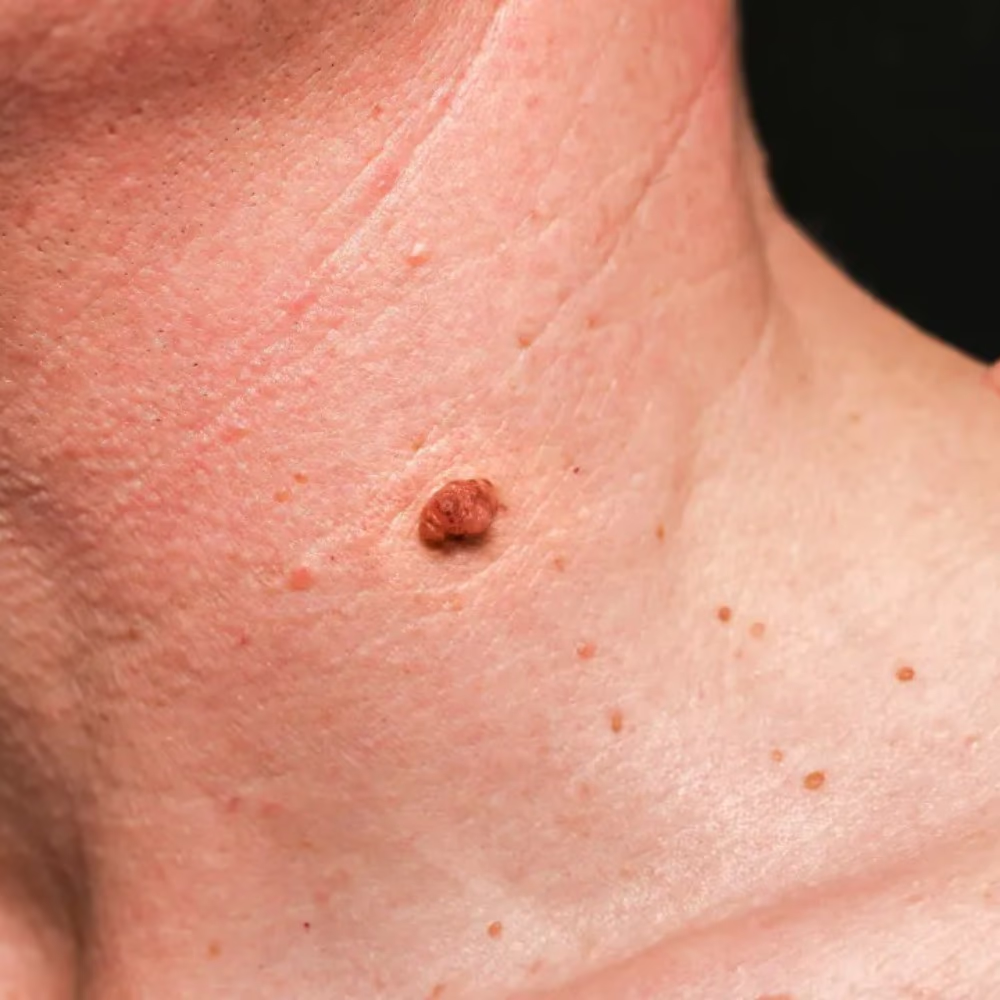
Wart removal comes down to two real routes. A clinic procedure freezes, burns or lasers the wart off in minutes. An at-home topical works it down over a few weeks. Both genuinely work, but not on the same warts. Clinics handle stubborn, plantar or multiple warts fastest. At-home treatment suits small, simple ones, and the strongest at-home option is a prescription medicine, so a pharmacist or doctor should guide it.
If you have already tried a freeze spray or a salicylic plaster from the pharmacy and the wart is still there, you are in the right place. This is the straight comparison most UAE pages skip. They either sell you a clinic package or point you at a weak plaster. Here is how the two routes really compare on speed, pain, cost and which wart each one suits.
What causes warts, and can you really remove them at home?
A wart is a small, rough skin growth caused by the human papillomavirus (HPV). The virus infects the top layer of skin, usually through a tiny cut or a damp surface like a shared shower floor, and makes the skin grow into the familiar bump. That is the whole reason a wart is not a beauty flaw you can scrub or pick off. It is a local infection.
The “kill the root” myth.
Warts do not have a single root or seed buried in your foot. The dark dots people mistake for a root are tiny clotted blood vessels feeding the wart. Treatment works by clearing the infected skin and prompting your immune system to finish the job, not by digging out a root. So no, you cannot just pick the root out, and trying usually spreads it or causes infection.
Many warts clear on their own within a year or two as your immune system catches up. Treatment speeds that up and lowers the chance of spreading the wart to other spots or other people. Whether you treat it at home or at a clinic depends on the wart, which is what the rest of this guide sorts out.
Clinic wart removal: cryotherapy, electrocautery and laser
A clinic removes a wart physically, in one or a few short visits. A doctor numbs or treats the area, destroys the wart tissue, and you walk out the same day. This route is faster than any cream and is the sensible choice for warts that have resisted home treatment, sit on the sole of the foot, or come in clusters.
Cryotherapy (freezing)
Liquid nitrogen freezes the wart, killing the tissue so it blisters and falls away over the following days. It is the most common in-clinic method. Expect a sharp sting during the freeze and a small blister afterwards. Stubborn warts often need a few sessions a couple of weeks apart, so factor that into both time and cost.
Electrocautery (burning)
The wart is numbed with a local anaesthetic, then burned off with a heated probe. It suits a single, raised, stubborn wart. You are left with a small wound that takes a week or two to heal. Done well, one session is often enough.
Laser
A focused laser destroys the wart and the small blood vessels feeding it. Clinics keep it for resistant or awkwardly placed warts that have not responded to freezing. It works under local anaesthetic and heals much like electrocautery. It usually sits at the higher end of the cost range.
At-home wart removal: salicylic acid vs prescription topical solutions
At-home treatment trades speed for convenience and a lower cost. Instead of one clinic visit, you apply a topical daily for several weeks, softening and removing the wart layer by layer while your immune system clears the virus. There are two tiers worth knowing apart, because they are not equally strong.
Over-the-counter salicylic acid
Salicylic acid is the standard first-line home treatment, and you can buy it without a prescription as a liquid, gel or medicated plaster. It dissolves the thickened wart skin a little each day. The American Academy of Dermatology recommends soaking the wart, filing off the dead surface gently between uses, and applying daily. It works best on small, simple common warts, and it asks for patience. Cure rates are real but partial, and many warts need weeks of consistent use.
Prescription-strength fluorouracil and salicylic acid
When an ordinary plaster has not worked, the stronger at-home option is a prescription-strength fluorouracil and salicylic acid solution (Verrumal). Fluorouracil, also called 5-FU, is a cytotoxic medicine that stops the virus-infected skin cells from multiplying, while the salicylic acid breaks down the wart surface so the fluorouracil can reach it. In a compounded form, this 5-FU and salicylic acid combination has cleared around 63% of common warts in one analysis, against roughly 23% for fluorouracil on its own.
This is a prescription medicine, not a shelf product.
In the UAE, a fluorouracil wart solution requires a prescription. Speak to a doctor or a MedX pharmacist before using it, so the dose, the wart and your skin are checked first. Do not use a fluorouracil wart treatment if you are pregnant or breastfeeding, because fluorouracil can harm a developing baby. This is the same prescription discipline that applies to other medicated skin treatments, which is worth understanding before you start.
Used correctly, this kind of solution is applied to the wart itself, the surrounding healthy skin is protected, and the softened surface is filed down between applications over a few weeks. A pharmacist can walk you through the routine when the prescription is filled, the same way they would explain how prescription-strength skin treatments are used safely.
Clinic vs at-home: which wart removal method should you choose?
Here is the comparison no clinic or generic health page lays out side by side. Costs are indicative only and vary by clinic, by the number of warts, and by how many sessions you need, so treat them as a rough guide and confirm current pricing directly.
Method | Best for | Pain | Downtime | Prescription? | Rough UAE cost (indicative) |
Cryotherapy (freezing) | Common and plantar warts, several at once | Moderate sting | Minor blister, heals in days. Repeat visits common | Done in clinic | Lower per session, but several sessions add up. Varies by clinic |
Electrocautery (burning) | Single, stubborn raised warts | Done under local anaesthetic | Small wound, a week or two to heal | Done in clinic | Mid range per wart. Varies |
Laser | Resistant or hard-to-reach warts | Local anaesthetic used | Similar to electrocautery | Done in clinic | Higher end. Varies |
OTC salicylic acid | Small, simple common warts | Painless, slow | None, but weeks of daily use | No, sold over the counter | Low. A bottle or plaster pack |
Prescription fluorouracil + salicylic acid | Persistent common warts at home, under guidance | Mild local irritation possible | None, applied over weeks | Yes, prescription required | Per bottle. Confirm with pharmacist |
Stripped to a simple rule:
- Small, single, simple common wart, and you are patient: start at home with over-the-counter salicylic acid.
- Stubborn common wart that has not budged after weeks of plasters: ask about a prescription fluorouracil and salicylic acid solution, or book a clinic freeze.
- Plantar warts (on the sole), several warts at once, or anything painful to walk on: a clinic is usually faster and worth the visit.
- On your face, near the eyes or genitals, or if you have diabetes: do not self-treat. See a doctor first (more on this below).
Which warts need a doctor, not a DIY fix?
Most common warts on the hands or feet are safe to treat at home or at a clinic. Some are not, and a wart-removal product is the wrong tool in these cases. See a doctor for assessment first if any of the following apply.
- Facial warts, or any wart near the eyes, lips or nostrils. Strong acids and fluorouracil are not for delicate facial skin, and facial growths are easy to misjudge.
- Genital warts. These are a different condition, need a doctor, and must never be treated with ordinary wart products.
- Any wart if you have diabetes or poor circulation, especially on the feet, where a small wound can become a serious problem.
- A growth that bleeds, itches, changes colour or shape, or that you are simply not sure is a wart. Get it checked rather than guessing.
If you are weighing up a medicated cream for a different skin concern, the same logic applies: knowing when a topical is enough and when a procedure or a doctor is needed is half the decision. That is the thread running through choosing between medicated topicals for another skin concern too.
A note on getting it right.
This article is general information, not medical advice. See a doctor for diagnosis if you are unsure a growth is a wart, or if it is on your face or genitals, bleeding, changing, or you have diabetes.
Will the wart come back? Recurrence and aftercare
Sometimes, yes. No method clears every wart permanently, because the treatment removes the visible growth but cannot guarantee every trace of the virus is gone. A wart can return at the same spot or appear nearby, and that is normal rather than a sign the treatment failed. The honest position is that recurrence is common across both clinic and home routes, and a second round of treatment often settles it.
You can lower the odds of spreading or repeating a wart with a few simple habits:
- Keep the area dry and covered while it heals, and avoid picking or shaving over it.
- Do not share towels, files or pumice stones, and wear sandals in shared showers and around pools.
- Treat any new wart early, while it is still small and simpler to clear.
After freezing, burning or a course of topical treatment, the skin is often raw and tender. Keep it clean with a mild, non-stripping cleanser and calm any irritation with a gentle, soothing relief cream once the wound has closed. If your skin is easily irritated, it is worth knowing what to look for in a gentle cleanser for sensitive skin before you reach for anything harsh.
Frequently asked questions
What is the fastest way to get rid of a wart?
A clinic procedure is the fastest route. Cryotherapy, electrocautery or laser destroys the wart in a single short visit, though stubborn warts can need a repeat session. At-home topicals are slower, working over several weeks, but suit small, simple warts and cost less.
What actually causes warts?
Warts are caused by the human papillomavirus (HPV), which infects the top layer of skin through small cuts or damp surfaces. It is mildly contagious, which is why warts can spread on your own skin or to other people, and why early treatment helps.
What kills the root of a wart?
Nothing, because warts do not have a root. The dark specks people take for a root are tiny clotted blood vessels feeding the wart, not a seed to dig out. Treatment clears the infected skin and lets your immune system finish the job. Trying to pick out a root usually spreads the wart.
Can I just pick a wart off or remove it naturally at home?
Picking a wart off does not work and tends to spread it or cause infection, since the virus stays in the skin. The safe home route is a topical treatment, starting with over-the-counter salicylic acid, used patiently over weeks. There is no proven overnight natural cure.
Does freezing a wart hurt?
Cryotherapy stings sharply for a few seconds during the freeze, then the area can throb and blister for a day or two as it heals. It is uncomfortable rather than severe, and no anaesthetic is usually needed. Burning and laser methods use a local anaesthetic instead.
Is there a cream that actually works for warts?
Yes. Over-the-counter salicylic acid clears many small common warts with consistent daily use. For stubborn warts, a prescription fluorouracil and salicylic acid solution is stronger, clearing more warts in studies. It is a prescription medicine in the UAE, so use it under a doctor or pharmacist's guidance.
How much does wart removal cost in Dubai?
It varies widely by method, clinic and the number of warts. At-home salicylic acid is the cheapest option, a prescription solution sits in the middle per bottle, and clinic procedures cost more, with freezing usually the most affordable in-clinic method and laser the priciest. Confirm current pricing with the clinic or pharmacist.
Are facial warts treated differently?
Yes, and you should not treat a facial wart yourself. Salicylic acid and fluorouracil are too harsh for delicate facial skin and the area near the eyes. A doctor needs to confirm the growth and choose a gentler, controlled method. The same caution applies to warts near the lips, nose or genitals.
Choosing your route
Wart removal really does come down to matching the method to the wart. Small and simple, start at home with salicylic acid. Stubborn but ordinary, a prescription fluorouracil and salicylic acid solution is the stronger home option, used under guidance. Plantar, clustered or painful, a clinic freeze or laser is usually worth it. Facial, genital, diabetic or changing, see a doctor first. If you are unsure which bucket your wart falls into, speak to a MedX pharmacist about the right route and whether the at-home topical option suits you before you commit to a clinic appointment.
all blogs