


What are Hydration Tablets and How Do They Work?
Jun 02, 2025
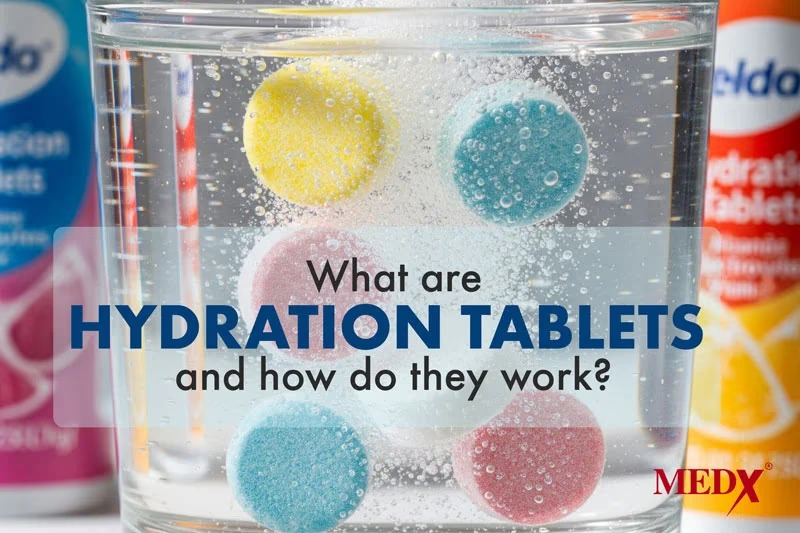
Let me tell you a sad reality - most of us don’t drink enough water, as much as we should. We wishfully believe that we are staying hydrated if we are sipping a sip or two, carrying a water bottle around like it’s a trophy. But then comes a sudden wave of tiredness, dull headache, or much worse (or painful), a muscle cramp that comes out of nowhere. Cue hydration tablets - the little fizzers that promise to boost our water game and make hydration smarter, not harder.
But what are they, really? Are they just vitamin tablets in disguise? Are they only for marathon runners and gym buffs? Not at all. Whether you’re recovering from a hangover, sweating through a hot commute, or just feeling a bit off, hydration tablets might be exactly what your body’s been craving.
So, What Are These Fizzy Things Anyway?
Hydration tablets are those small, dissolvable discs that are completely packed with electrolytes and minerals that our body needs when it’s running low on water. Drop one in water, watch it fizz, and you've got a drink that's way more nutritionally valuable than plain H2O.
Most tablets include:
- Sodium and potassium – the real MVPs for fluid balance
- Magnesium and calcium – great for your muscles and nerves
- A pinch of glucose or carbs – to help absorb fluids faster
- Flavour and fizz – because hydration doesn’t have to be boring
They’re basically a hydration upgrade. Not a sugar-loaded sports drink, not a random vitamin tablet - just a smarter way to keep your body running like it should.
Why Isn’t Water Enough Sometimes?
Water is essential, no argument there. But here’s the thing: when you sweat, you don’t just lose water. You lose out on electrolytes - the minerals that help maintain your cells hydration and functionality levels.
If you have ever felt like even though you have been drinking water the entire day and still feel groggy or tired, it could be because your electrolyte levels are out of balance and your body needs it to retain and use that water efficiently. Without it, water just passes through like a polite guest who didn’t stay for tea.
This is where hydration tablets step in. They give your water the backup it needs to actually stick around and do the job. Think of them as the glue that holds hydration together.
How Do They Actually Work Inside Your Body?
Once you drink that fizzy water, the electrolytes are absorbed in your small intestine and move into your bloodstream. From there, magic happens (okay, biology - but it feels like magic).
Here’s what’s going on:
- Sodium helps your body hold onto the water rather than flush it right out
- Potassium makes sure your cells are plump and hydrated
- Magnesium prevents those sudden calf cramps at 2 a.m.
- The slight bit of sugar (in some tablets) helps your body absorb water faster
So, you're not just drinking water anymore. You're hydrating on a cellular level. That's the difference.
When Should You Actually Use Them?
Spoiler alert: hydration tablets aren’t just for athletes or people doing extreme workouts. They’re helpful in a bunch of everyday situations too:
- After exercise, especially if it’s hot or intense
- When you’re sick, especially with vomiting, diarrhea, or fever
- During or after travel, especially long flights or road trips
- After a night of drinking, because hangovers are basically dehydration in disguise
- During heatwaves, or if you’re outdoors for long stretches
If you're fasting or on a low-carb diet, which can cause your body to flush out electrolytes faster
They’re like the grown-up version of the sports drinks we guzzled in P.E., but with less sugar and more science.
Do All Hydration Tablets Work the Same?
Not really. The market’s full of options - some better than others, depending on what you need. Some are loaded with sodium for serious rehydration, while others focus more on magnesium or potassium. Some include caffeine (yes, that’s a thing), while others are sugar-free or have added vitamins like B12 or C.
So how do you pick one? Ask yourself:
- Are you using it post-workout or just for daily hydration?
- Do you want something with or without sugar?
- Are you avoiding caffeine?
- Do you need extra vitamins?
To make the decision easy, know that most of the brands will have a tablet customized to specific needs. Once you figure out the “why,” it will become easier to find the right fit.
Can You Overdo It?
In a word - yes. Just because something’s helpful doesn’t mean more is always better. Your body has a delicate balance, and too much sodium or potassium (especially without sweating it out) can leave you feeling bloated or nauseated.
Plus, if you’re already eating a balanced diet and not under physical stress, popping hydration tablets all day might be overkill. These aren't multi-vitamins or candy. They're tools - for specific jobs.
The trick? Listen to your body. If you’re feeling sluggish, dry-mouthed, or like your energy’s dragging even after water - then sure, grab a tablet. But if you’re sitting at your desk in AC all day, regular water will do the trick.
The Bottom Line
Hydration tablets aren’t about being trendy or “wellness-y.” They’re about giving your body what it actually needs when water alone isn’t cutting it.
They’re small, easy to carry, and surprisingly versatile. Whether you’re running a marathon, recovering from a long night, or just trying to stay alert on a flight - having a tube of hydration tablets nearby can make a huge difference.
So next time your body’s waving a little white flag and water doesn’t feel like enough, give those fizzy little helpers a shot. Your muscles, brain, and energy levels will probably thank you
all blogs