


What Is Ozempic? Uses, How It Works, and Who It’s For
May 31, 2026
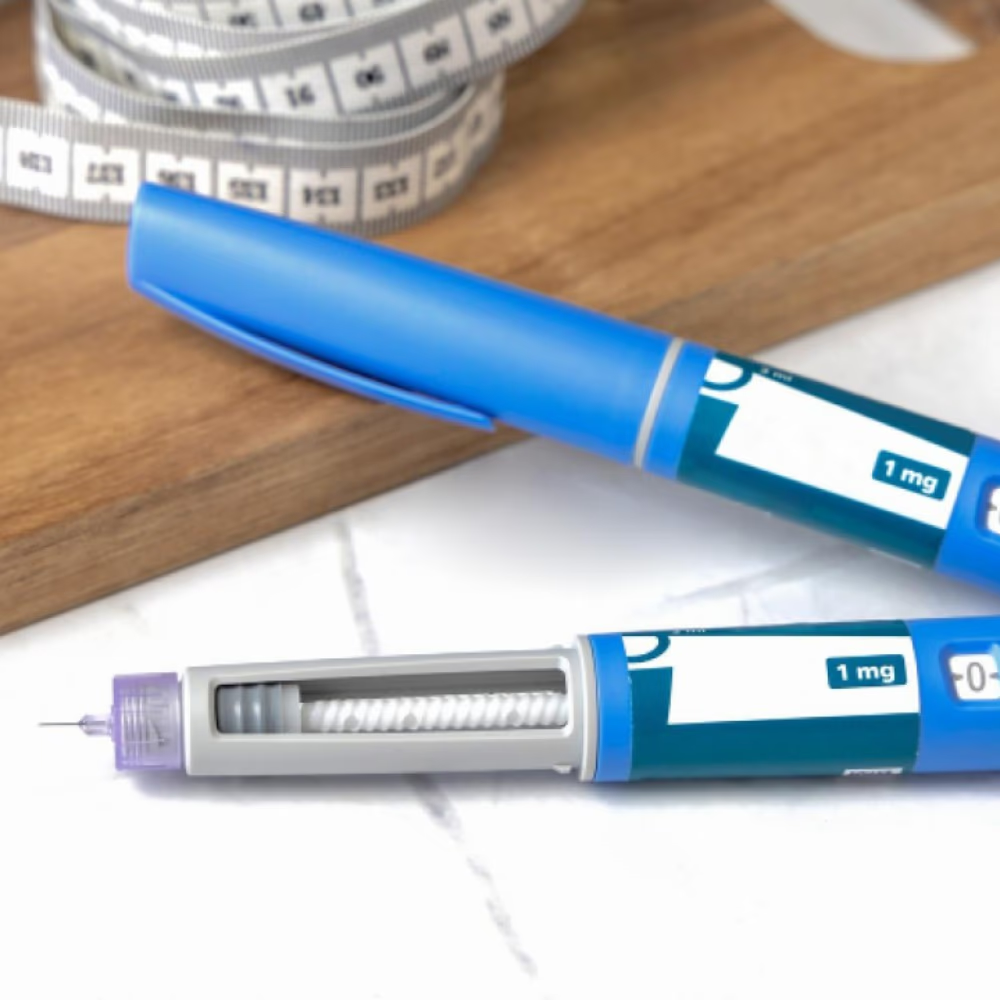
Ozempic is a brand-name prescription medication containing semaglutide, a GLP-1 receptor agonist (a type of diabetes medication) manufactured by Novo Nordisk. It is FDA-approved for adults with type 2 diabetes to improve blood sugar control, reduce cardiovascular risk, and slow chronic kidney disease progression. Ozempic is administered as a once-weekly injection using a pre-filled pen.
If you have been hearing about Ozempic in the news or from friends and want to understand what it actually is, you are in the right place. The amount of information circulating about this medication can feel overwhelming. This guide covers everything you need to know, explained simply and without marketing spin.
Based on FDA prescribing information for Ozempic and published clinical trial data, this article explains how Ozempic works, what it treats, dosage details, side effects, and who should not take it. MedX Pharmacy carries the Ozempic pre-filled pen for patients with a valid prescription. All prescription medications require a valid prescription from a licensed healthcare provider.
How Ozempic Works in Your Body
Ozempic works by mimicking a hormone called GLP-1 (glucagon-like peptide-1) that your body naturally releases after eating. GLP-1 is part of a family of hormones known as incretins, which help regulate blood sugar after meals.
When you inject Ozempic, the semaglutide molecule signals your pancreas to produce more insulin when blood sugar is high. It also tells your liver to release less stored sugar, slows the movement of food through your stomach so you feel full longer, and acts on appetite centres in the brain to reduce hunger. These effects begin within one to three days of the first injection.
In simpler terms, Ozempic works like a longer-lasting version of a signal your body already uses. Because semaglutide stays active for about a week, one injection covers seven days of blood sugar support. You can read more about the pharmacology in the StatPearls semaglutide reference.
What Is Ozempic Used For?
Ozempic has three FDA-approved uses, all for adults with type 2 diabetes. According to the official Ozempic website, these are:
Use | Description |
Glycaemic Control | Improving blood sugar levels in adults with type 2 diabetes, alongside diet and exercise |
Cardiovascular Risk Reduction | Reducing the risk of heart attack, stroke, and cardiovascular death in patients with established heart disease and type 2 diabetes |
Chronic Kidney Disease | Reducing the risk of kidney disease worsening, kidney failure, and cardiovascular death in patients with type 2 diabetes and CKD |
It is important to understand that Ozempic is not FDA-approved for weight loss. A different semaglutide brand, Wegovy, is approved for chronic weight management. When healthcare providers prescribe Ozempic specifically for weight loss, this is considered off-label use. The WHO diabetes information page provides broader context on type 2 diabetes management worldwide.
Ozempic Dosage: Pens, Strengths and Schedule
Ozempic is available as a pre-filled injection pen in four dosage strengths: 0.25mg, 0.5mg, 1mg, and 2mg. You inject it once per week, on the same day each week, under the skin of your abdomen, thigh, or upper arm. Rotate your injection site each time.
Phase | Dose | Duration | Purpose |
Starting | 0.25mg weekly | 4 weeks | Building tolerability (not therapeutic) |
Step 2 | 0.5mg weekly | At least 4 weeks | First therapeutic dose |
Step 3 (optional) | 1mg weekly | As prescribed | Additional blood sugar control |
Maximum | 2mg weekly | As prescribed | Maximum available dose |
The 0.25mg starting dose is for tolerability, not treatment. Your healthcare provider will increase your dose based on how your body responds. If you miss a dose, take it within five days. If more than five days have passed, skip the missed dose and take the next one on your scheduled day. For a deeper look at dosing, see our Ozempic dosing schedule guide.
Store unused pens in a refrigerator between 2-8°C. Once in use, the pen can be kept at room temperature or refrigerated for up to eight weeks. MedX Pharmacy carries the Ozempic 0.5mg pen and Ozempic 1mg pen alongside the starter dose. All prescription medications require a valid prescription from a licensed healthcare provider.
Ozempic Side Effects: What to Expect
Like all medications, Ozempic can cause side effects. The most common ones affect the digestive system and tend to be most noticeable during the first few weeks and when your dose increases. According to the FDA prescribing information, side effects occurring in more than 5% of patients include:
Side Effect | Incidence Rate |
Nausea | 15-20% |
Diarrhoea | 8-9% |
Vomiting | 5-9% |
Constipation | 5-6% |
Abdominal pain | 5-7% |
Ozempic carries a boxed warning about thyroid C-cell tumours observed in rodent studies. It is contraindicated in patients with a personal or family history of medullary thyroid carcinoma (MTC) or Multiple Endocrine Neoplasia syndrome type 2 (MEN 2).
Serious but less common side effects include pancreatitis (inflammation of the pancreas), gallbladder problems, kidney injury, and diabetic retinopathy complications. Hypoglycaemia (low blood sugar) risk increases if Ozempic is used alongside sulfonylureas or insulin. Contact your healthcare provider immediately if you experience severe abdominal pain, vision changes, or signs of an allergic reaction. For additional details, see Ozempic drug information or our detailed Ozempic side effects guide.
Ozempic and Weight Loss: What You Should Know
Ozempic is not FDA-approved for weight loss. This is one of the most important things to understand about this medication. The semaglutide brand approved for chronic weight management is Wegovy, which uses the same active ingredient at different doses.
That said, weight reduction is a commonly observed effect during Ozempic use for type 2 diabetes. In the SUSTAIN 1 trial, patients taking 1mg of semaglutide lost an average of 3.5kg (7.7 lbs) more than those on placebo over 30 weeks. Across clinical trials, more than 86% of semaglutide patients lost at least 5% of their body weight.
When a healthcare provider prescribes Ozempic specifically for weight management rather than diabetes, this is considered off-label use. Off-label prescribing is legal and common, but it means the drug has not been specifically tested and approved by the FDA for that purpose. Weight management with any medication requires ongoing medical supervision.
Who Should Not Take Ozempic
Ozempic is not suitable for everyone. According to the FDA prescribing information, you should not take Ozempic if you have a personal or family history of medullary thyroid carcinoma (MTC) or Multiple Endocrine Neoplasia syndrome type 2 (MEN 2). It is also not for people with type 1 diabetes or diabetic ketoacidosis (DKA).
Women who are pregnant or planning to become pregnant should stop Ozempic at least two months before planned conception, as animal studies showed potential fetal harm. Patients with a history of pancreatitis should use Ozempic with caution and under close medical supervision. If you have a known allergy to semaglutide or any ingredient in Ozempic, do not use this medication.
Ozempic Injection vs Ozempic Pill
Ozempic was originally available only as a once-weekly injection. In February 2026, the FDA approved an oral tablet version under the Ozempic name, replacing the previous Rybelsus brand. The Ozempic pill launched in US pharmacies in May 2026 and is available in 1.5mg, 4mg, and 9mg daily doses.
The oral form requires a specific routine: take it on an empty stomach with no more than 120ml (about 4 ounces) of plain water, then wait at least 30 minutes before eating, drinking, or taking other medications. This routine is essential because food and liquids reduce the tablet’s absorption.
MedX Pharmacy currently stocks Ozempic injectable pre-filled pens only (0.25mg, 0.5mg, and 1mg). MedX does not carry the oral tablet form at this time. All prescription medications require a valid prescription from a licensed healthcare provider.
Frequently Asked Questions About Ozempic
What does Ozempic do?
Ozempic is a GLP-1 receptor agonist that lowers blood sugar, reduces cardiovascular risk, and slows chronic kidney disease progression in adults with type 2 diabetes. It works by mimicking the GLP-1 hormone: stimulating insulin production, slowing stomach emptying, and reducing appetite signals in the brain.
Is Ozempic used for weight loss?
Ozempic is not FDA-approved for weight loss. Wegovy, which contains the same active ingredient (semaglutide) at higher doses, is the brand approved for chronic weight management. Weight loss is a commonly observed side effect of Ozempic when used for type 2 diabetes. When prescribed specifically for weight management, it is considered off-label use.
Who should not take Ozempic?
You should not take Ozempic if you have a personal or family history of medullary thyroid carcinoma (MTC) or MEN 2 syndrome. It is also contraindicated for type 1 diabetes, diabetic ketoacidosis, and pregnancy. Women should stop Ozempic at least two months before planned conception. Patients with a history of pancreatitis should use it with caution under medical supervision.
Is Ozempic insulin?
No. Ozempic is not insulin. It is a GLP-1 receptor agonist, which is a different class of medication. Ozempic helps your body produce its own insulin more effectively, but it cannot replace insulin in patients who are insulin-dependent. It works through a different mechanism than insulin injections.
Is there a pill form of Ozempic?
Yes. As of May 2026 in the United States, Ozempic is available as a daily oral tablet in 1.5mg, 4mg, and 9mg strengths. This replaced the previous Rybelsus brand. The tablet must be taken on an empty stomach with a small amount of plain water, followed by a 30-minute wait before eating or drinking anything else.
How much does Ozempic cost in the UAE?
In the UAE, Ozempic pre-filled pen prices typically range from approximately AED 740 to AED 1,200 per pen, depending on dosage and supplier. A valid prescription from a licensed healthcare provider is required. You can check current availability and product details on the MedX Pharmacy product pages.
Ozempic Options Available at MedX Pharmacy
If your healthcare provider has prescribed Ozempic, you can view all Ozempic products at MedX Pharmacy. MedX carries Ozempic injectable pens in 0.25mg, 0.5mg, and 1mg strengths. A healthcare provider can help determine whether Ozempic is appropriate for your condition. All prescription medications require a valid prescription from a licensed healthcare provider.
Key Takeaways
So, what is Ozempic? It is a once-weekly injectable prescription medication containing semaglutide, FDA-approved for type 2 diabetes management, cardiovascular risk reduction, and slowing chronic kidney disease. It is not a weight loss drug, and it is not insulin. It requires a prescription, medical supervision, and gradual dose increases under your healthcare provider’s guidance.
Understanding what Ozempic is and what it is not helps you have more productive conversations with your doctor. For a comprehensive deep-dive, visit our complete Ozempic guide, or browse all diabetes and weight management medications available at MedX Pharmacy.
Medical Disclaimer: This article is for informational purposes only and does not constitute medical advice. Always consult your healthcare provider before starting, stopping, or changing any medication. The information presented is based on publicly available clinical data and prescribing information current at the time of writing. MedX Pharmacy is a licensed pharmacy; all prescription medications require a valid prescription from a licensed healthcare provider.
all blogs