


What Is Pre-Workout, and Should You Take It?
Jun 23, 2026
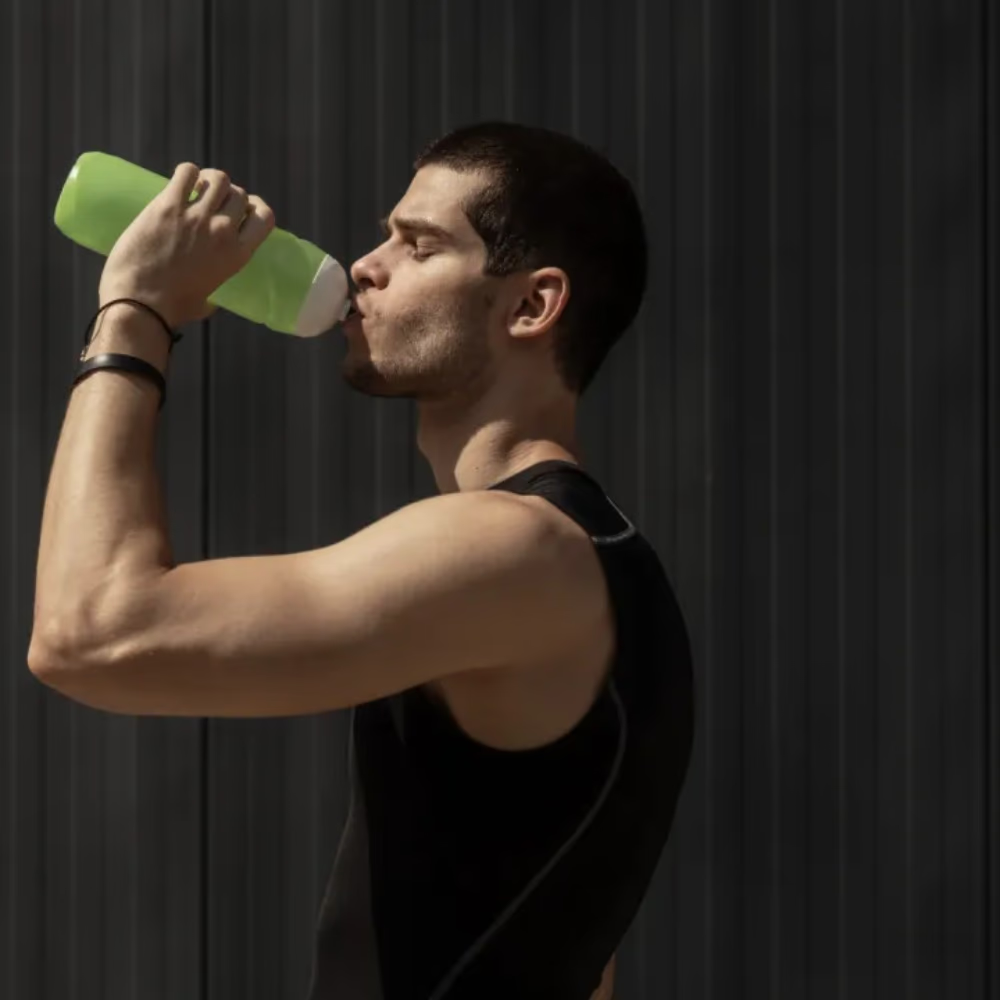
Pre-workout is a multi-ingredient supplement, usually a flavoured powder mixed with water, taken about 30 minutes before training to boost energy and focus. Its main active ingredient is caffeine, and the tingling feeling you may have heard about comes from another ingredient called beta-alanine. It is harmless, and the whole thing is optional rather than essential.
If the gym-bro hype around pre-workout has put you off, this is the calm version. Here is what is really in it, why it makes your skin tingle, who genuinely should skip it, and how a nervous beginner can try it safely without overdoing the first scoop.
What is pre-workout and what does it do?
Pre-workout is a multi-ingredient sports supplement, usually a flavoured powder mixed with water, taken about 30 minutes before exercise to boost energy, focus, and endurance. Its main active ingredient is caffeine, alongside beta-alanine, L-citrulline, and sometimes creatine. It is an optional training aid, not an essential supplement.
In plain terms, it is a caffeine-led energy and focus drink built for training. The caffeine wakes up your nervous system, the other ingredients support blood flow and stamina, and the flavour makes it easy to drink. People use it on days they feel flat, before a heavy session, or early in the morning when motivation is low.
One quick clarification, because the words look similar. A pre-workout supplement is not the same as a pre-workout meal. A pre-workout meal is simply the food you eat before training, such as oats and a banana. This guide is about the supplement, the scoop of powder, not the food.
What is actually in pre-workout?
Most pre-workouts blend a handful of core ingredients, and once you know what each one does, the long label stops looking intimidating. Here are the ones that do the real work.
Ingredient | What it does | Typical dose |
Caffeine | The main active. Boosts energy, alertness, and focus | 150 to 300 mg |
Beta-alanine | Supports muscular endurance. Causes the harmless tingle | 2 to 5 g |
L-citrulline | Improves blood flow, behind the muscle pump feeling | 6 to 8 g |
Creatine | Supports strength and power, when included | 0 to 5 g |
B-vitamins | Support normal energy metabolism | Varies |
Cheaper or hyped products often hide these inside a proprietary blend, where the total is listed but not the individual amounts. A clearer label that names each dose is a sign of a more honest product, and it lets you see whether the caffeine is moderate or very high before you buy.
Why does pre-workout make you tingle?
That prickling, tingling feeling across your face, neck, or hands is the single thing that worries beginners most, so here is the reassurance up front. The tingle comes from beta-alanine, it is completely harmless, and it is not a sign that the product is working.
Beta-alanine briefly stimulates the nerve endings under your skin, which your body reads as a light prickle or itch. It is called paresthesia, it tends to show up when a single dose is above roughly 800 mg, it peaks around 15 to 20 minutes after you drink it, and it fades within about an hour. It does nothing to your muscles and leaves no mark. Plenty of experienced lifters actually enjoy it as a signal that the session is about to start.
The important myth to drop is the idea that a stronger tingle means a stronger product. It does not. The tingle only tells you the drink contains beta-alanine, nothing more. If you dislike the feeling, you can choose a product with less beta-alanine, split your dose, or simply wait it out, because it always passes.
Is pre-workout basically just caffeine?
Caffeine is the star of the show, so the instinct is not far off. A typical scoop contains 150 to 300 mg of caffeine, which is roughly one to three cups of coffee, and that is what you feel most. The other ingredients play supporting roles around it, helping with blood flow, endurance, and focus rather than the obvious buzz.
This matters for one practical reason. If you already drink coffee or energy drinks through the day, a strong pre-workout stacks on top of that caffeine, which is how beginners end up jittery and unable to sleep. Counting your total daily caffeine, not just the scoop, is the simplest way to stay comfortable.
What are the side effects of pre-workout?
Most side effects come from the caffeine or from taking too much, too soon, and they pass. In one analysis, around 54 percent of users reported at least one immediate side effect, almost always mild. Knowing the cause makes each one easy to avoid.
Side effect | Usual cause | How to reduce it |
Jitters or anxiety | Too much caffeine for your tolerance | Use a smaller dose, count total daily caffeine |
Raised heart rate | Caffeine stimulation | Start low, avoid stacking with other stimulants |
Trouble sleeping | Training or dosing too late in the day | Avoid pre-workout within 6 hours of bed |
Nausea or upset stomach | Empty stomach, or too little water | Take with a little food, mix with more water |
Skin tingling | Beta-alanine (harmless) | Split the dose or pick a lower beta-alanine product |
None of these are dangerous for a healthy adult using a sensible dose. They are signals to dial the amount back, not reasons to fear the supplement. The most common mistake is simply starting with a full scoop of a strong product on day one.
Is pre-workout safe, and do you even need it?
For most healthy adults, pre-workout is safe at a sensible dose. The honest part the gym ads skip is that you do not need it. Pre-workout is an optional training aid, not an essential supplement, and it will not build muscle on its own. Good sleep, proper hydration, and a solid diet do far more for your training than any scoop, and they come first.
One real caution applies to quality, not just dose. Supplements are not tightly regulated, so labels are not always accurate. Choosing a product that carries third-party testing, such as an NSF or USP mark, gives you more confidence that what is on the label is what is in the tub. If pre-workout fits your training and you enjoy it, there is nothing wrong with using it. Just treat it as a helpful extra, not a requirement.
Who should not take pre-workout?
Because pre-workout is caffeine-led, some people are genuinely better off avoiding it or checking first. This is the line that matters most in this whole guide.
- People who are sensitive to caffeine, who get anxious, shaky, or sleepless from even a coffee.
- Anyone with a heart condition or high blood pressure, where extra stimulants are a real risk.
- Women who are pregnant or breastfeeding.
- Anyone under 18, for whom high-caffeine supplements are not recommended.
If you fall into any of these groups, talk to a doctor before using pre-workout. A MedX pharmacist can also help you weigh it up, or point you toward a caffeine-free option, before you spend anything. When in doubt, ask first rather than experimenting on yourself.
Stim vs non-stim: which should a beginner choose?
Pre-workouts come in two broad types. Stimulant (stim) versions are caffeine-led and give you that obvious energy hit. Non-stimulant (non-stim) versions skip the caffeine and rely on ingredients like citrulline for blood flow and endurance, which suits anyone caffeine-sensitive or training in the evening. For a nervous beginner, a moderate stim product or a non-stim one is usually the gentler entry point. To weigh up specific products both ways, see the best pre-workout in the UAE, with stim vs non-stim compared.
How to take pre-workout, especially your first time
If you decide to try it, the first scoop is all about caution. Starting small lets you learn your tolerance without the jitters that scare beginners off for good.
- Start with half a scoop. You can always build up once you know how your body responds.
- Mix it with plenty of water and drink it about 30 minutes before you train.
- Take it with a light stomach rather than completely empty, to soften any nausea.
- Avoid it within about six hours of bedtime, so the caffeine does not wreck your sleep.
- Give yourself the occasional caffeine-free week, so your tolerance does not creep up.
For a sensible first product, a moderate pre-workout like Applied ABE, started at half a scoop, is an easy place to begin. If you would rather not measure powder or you are wary of the caffeine, the pre-measured ABE shot gives you a fixed, modest dose with nothing to scoop. You can also browse MedX's pre-workout range to compare formats and caffeine levels before deciding.
Frequently asked questions
Is pre-workout safe or not?
For most healthy adults, pre-workout is safe at a sensible dose. The main active is caffeine, so the usual side effects are jitters or poor sleep from taking too much. It becomes a concern for people who are caffeine-sensitive, pregnant or breastfeeding, under 18, or living with a heart condition or high blood pressure, who should check with a doctor first.
Is pre-workout basically just caffeine?
Caffeine is the main active and what you feel most, usually 150 to 300 mg per scoop, roughly one to three coffees. The other ingredients, such as beta-alanine, L-citrulline, and sometimes creatine, support endurance, blood flow, and focus around it. So it is caffeine-led, but not caffeine alone. Count your total daily caffeine to stay comfortable.
Why does pre-workout make you tingle?
The tingle comes from beta-alanine, and it is harmless. It briefly stimulates the nerve endings under your skin, creating a prickling feeling called paresthesia. It usually appears above a single dose of around 800 mg, peaks about 15 to 20 minutes in, and fades within an hour. It is not a sign the product is working, only that it contains beta-alanine.
Should beginners take pre-workout?
Beginners can, but they do not need to. Pre-workout is optional, and sleep, hydration, and diet matter far more for your training. If you want the energy and focus boost, start with half a scoop of a moderate product to learn your tolerance. If caffeine makes you anxious or you have a heart condition, skip it and ask a pharmacist or doctor.
How unhealthy is pre-workout?
Used sensibly by a healthy adult, pre-workout is not unhealthy, though very high doses or stacking it with other stimulants raises the risk of jitters, a racing heart, and poor sleep. The bigger quality issue is that supplements are loosely regulated, so choosing a third-party tested product helps ensure the label is accurate. Moderation and a trusted brand keep it low-risk.
What are the side effects of C4 or other strong pre-workouts?
Stronger pre-workouts share the same caffeine-driven side effects, just amplified: jitters, a faster heart rate, nausea on an empty stomach, and disrupted sleep if taken late. The beta-alanine tingle is also more noticeable. Starting with half a scoop and taking it with water and a little food prevents most of these. Lower the dose if any persist.
When should I take pre-workout?
Take it about 30 minutes before training, so the caffeine has time to kick in. Avoid using it within roughly six hours of bedtime, as the caffeine can ruin your sleep. Mix it with plenty of water and a light stomach rather than completely empty. Keep it to training days rather than as a daily energy drink.
The bottom line
Pre-workout is far less intimidating than the gym hype makes it look. It is an optional, caffeine-led training aid, the tingle is harmless beta-alanine rather than proof it is working, and a nervous beginner can try it safely by starting with half a scoop of a moderate product. If you want a gentle first step, a moderate pre-workout like Applied ABE or the pre-measured ABE shot both keep the dose sensible.
Remember the one rule that outranks any supplement. Sleep, hydration, and a good diet do most of the work, and pre-workout is just a helpful extra. If caffeine is a concern for you, or you take regular medication, ask a MedX pharmacist before you start.
all blogs