


What is the difference between Whey protein and Whey Protein Isolate?
Aug 06, 2025
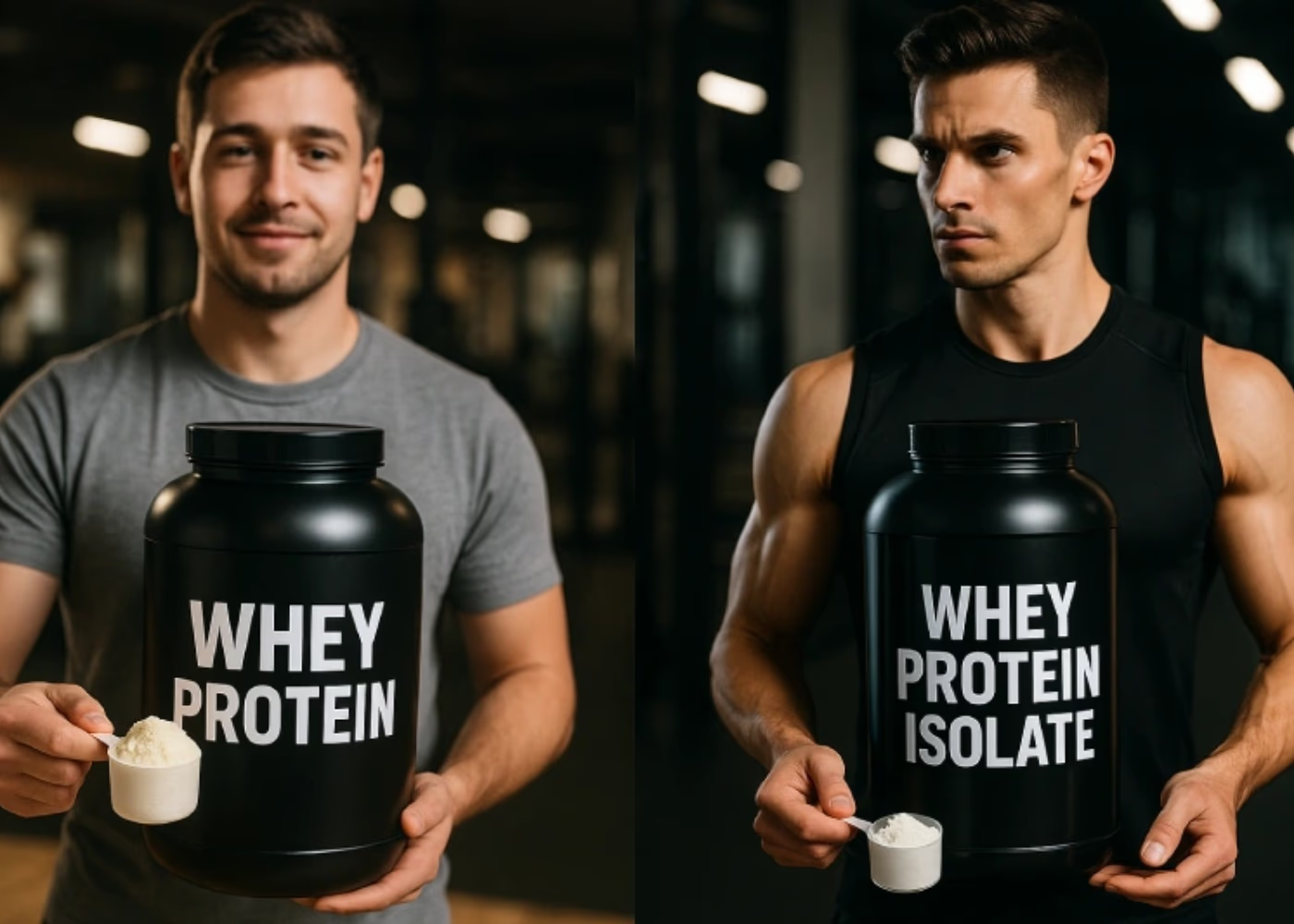
If you’ve ever stood confused between two similar-looking tubs of protein powder, you’re not alone. The difference between whey protein and whey protein isolate trips up a lot of people - even the ones who’ve been training for years. After all, both come from milk, both help build muscle, and both are considered top-quality protein sources. But the catch? They’re not quite the same.
The difference between whey protein and isolate has a lot to do with how each is filtered and processed. One is slightly more stripped down. The other is a bit more wholesome. One might suit someone looking to bulk up, while the other could be perfect for someone cutting weight. There’s even the difference between isolate protein and whey protein in terms of lactose content - which matters a lot if your stomach doesn’t handle dairy well.
So before you pick one product from the shelf just because your gym buddy said it works for them, take a few minutes to understand the whey protein vs whey isolate debate. Because sometimes, the right choice would depend less on hype - and more on what your body needs.
What is Whey Protein?
You know when milk turns into cheese and a liquid is leftover? That’s whey. It might not look much but once it’s dried and powdered, you get whey protein.
But what has made it a go-to for gym-goers, athletes, and anyone trying to stay on top of their health game? Well, it’s loaded with protein and packed with the amino acids that your body needs to build and repair muscle. The version most people use is called whey protein concentrate. It’s got a good chunk of protein, sure - but also a bit of fat, lactose, and carbs hanging around. For most folks, that’s no big deal. This is also where the difference between whey protein and whey protein isolate starts to show. Concentrate is less filtered - it keeps more of the original stuff. So, if your stomach handles dairy just fine and you want something that works without burning a hole in your wallet, regular whey protein does the trick.
What is Whey Protein Isolate?
Now let’s talk about isolate. Think of it like whey protein’s clean-cut cousin. It starts out the same - same cheese-making process, same leftover whey - but then it goes through extra filtering. What’s left? Almost all protein. Very little fat. Almost no lactose. Around 90% protein content, give or take.
That’s where the whey protein isolate vs whey protein debate heats up. If you're lactose-sensitive or want to cut down on sugar and carbs, isolate’s a solid pick. Especially if you're tracking macros like a hawk. But here’s the catch - it usually costs more. Not wildly expensive, but definitely a bump. Some folks think it’s worth it for the purity. Others? They’re happy with the regular stuff. The difference between isolate protein and whey protein is more compelx - it is what your body needs, how it would react, and what would fit best into your everyday fitness routine.
What Are the Benefits of Whey Protein vs. Whey Protein Isolate?
Chances are that you have both powders sitting in front of you - one saying whey protein and the other being whey protein isolate and now you’re wondering: what’s the actual upside of choosing one over another? They both help with muscle, recovery, and all that good stuff... but the benefits of whey protein vs. whey protein isolate come down to what you personally care about - budget, digestion, goals, and how “clean” you want your shake to be.
Let’s break it down.
Benefits of Whey Protein
This is the one most people grab first - it’s easy to find, tastes great, and doesn’t cost an arm and a leg.
- It’s got a solid protein hit to help you build and repair muscle.
- Comes with a small amount of fats and carbs, which, honestly, might even help if you’re using it post-workout.
- Because it’s less filtered, it tends to feel a bit creamier or richer - some people actually prefer that.
- Great for general fitness goals, or if you’re not super sensitive to lactose.
Basically, if you’re not chasing ultra-lean macros and you just want something that works, whey protein is more than enough.
Benefits of Whey Protein Isolate
Now, whey protein isolate is like the “clean eating” version of the story.
- It’s got more protein per scoop - usually around 90% or higher.
- Almost zero lactose, which can be a game-changer if dairy tend to mess with your stomach.
- Lower in fat and sugar concentrate, making it perfect for people on strict calorie count or low-carb diet.
- Absorbs a bit faster making it ideal for people who like to keep it light post-workout.
So if you’re training hard, cutting calories, or simply want something super lean and easy on the gut, isolate might be worth the extra few dirhams.
What’s the Difference Between Whey Protein vs Whey Protein Isolate?
They both come from milk but once you get into the details whey protein and whey protein isolate start showing differences. Think of whey protein as the all-rounder. It’s got a solid protein hit, plus a little fat, a bit of lactose, and some carbs. Nothing crazy - it works well for most folks, especially if you’re not too fussed about macros.
Whey protein isolate goes through multiple layer of filtering making it lean, clean, and with a lot of protein per scoop with almost zero extras. It’s the one people reach for when they need something light, fast-digesting, or easier on the stomach.
Still unsure? Here’s a no-nonsense side-by-side to make the decision easier:
Feature | Whey Protein | Whey Protein Isolate |
Protein Content | 70–80% protein per scoop | 90%+ protein per scoop |
Lactose Content | Contains some lactose | Almost none – good for lactose-intolerant folks |
Fat & Carb Content | Has small amounts of both | Super low or nearly zero |
Amino Acid Profile | Full spectrum, solid recovery support | Same as whey, but more concentrated |
Cost | More affordable, good value | Pricier due to extra processing |
Absorption Rate | Slower than isolate, but still effective | Fast-absorbing – ideal post-workout |
Taste & Texture | Creamy, sometimes thicker | Lighter, mixes cleaner in shakes |
Best For | Everyday use, general fitness goals | Cutting phases, lactose sensitivity, fast recovery |
Which One Is Better for Your Fitness Goals?
Still stuck on whey protein vs whey protein isolate discussion?It really depends on what you’re working toward. One isn’t flat-out better than the other - it’s just about the right fit for your fitness routine.
For Weight Loss
Trying to cut? Whey protein isolate usually makes more sense. It is stripped down to the essentials - mainly protein, very little fat, barely any carbs - fewer calories, but still solid nutrition. Great if you're tracking every bite or trying to lean out without losing muscle.
For Muscle Gain
If bulking is your main thing, whey protein might actually serve you better. It’s got a little extra fat and carbs, which helps push your calorie count up. Plus, it still delivers all the amino acids your muscles crave post-lift. And hey, the price tag’s often easier to swallow.
For Lactose-Intolerant Users
Not friends with dairy? Whey protein isolate wins here - hands down. It’s way lower in lactose. For some, this means zero bloating, cramps, or an upset stomach after every protein shake sip. If this sounds like you, whey protein isolate is kind of a no-brainer.
Who Should Use Whey vs. Whey Isolate?
Looking at both on the shelf and can’t decide? Here’s a rough guide that might help. Use whey protein if you want an everyday protein boost - something to help recovery, keep you fuelled, and not break the bank. It’s solid, reliable, and works for most people just fine.
Choose whey protein isolate if you're a bit more particular. Maybe you’re on a strict cut, prepping for a show, or lactose really messes with you. It’s cleaner, gentler, and better when you want precision. Bottom line? The difference between whey protein and whey protein isolate isn’t about which one is “better.” It’s about what you need - your training, your gut, your wallet.
FAQs About Whey protein and Whey Protein Isolate
Is whey isolate better than whey protein?
Depends on what you are looking for. Whey isolate has more protein in every gram with barely any fat or carbs but whey protein (the concentrate kind) is a solid pick if you’re not chasing macros too hard and only need something that does the job.
Can lactose-intolerant people take whey protein?
Some can, some can’t. Regular whey protein still has a bit of lactose, so if you’re sensitive, it might not sit well. Whey isolate, though? That’s been filtered to near-zero lactose levels - much easier on the gut.
Which is better for weight loss?
Usually whey isolate. It’s stripped down - less sugar, less fat, fewer calories overall. But remember, no protein powder alone is going to make or break your fat-loss goals. It’s about the bigger picture: diet, activity, consistency.
Can I use both whey and isolate together?
Totally. Some folks use whey isolate post-workout and keep whey concentrate for regular shakes. It’s more about what your day looks like than picking just one.
How do I know if I need isolate or concentrate?
Start simple. Try whey protein first - if you feel fine and recovery’s good, stick with it. But if you get bloated or have stomach issues after, whey isolate might be a better match. Sometimes, your body makes the decision for you.
Conclusion
At the end of the day, it’s not a fight of whey protein vs whey protein isolate - it’s a question of fit. If you’re on a tight meal plan or cutting down for a goal, whey isolate makes sense since it’s clean, fast-absorbing, and easier on digestion but if you’re only getting started, trying to build muscle, or are simply on a budget, regular whey protein will be more than enough. The truth? Both of them work equally well. What matters more is how consistently you train, recover, and fuel up on energy. Get that right, and the protein part will fall into place.
all blogs