


What Is Tirzepatide (Mounjaro)? How the Dual GIP/GLP-1 Agonist Works
May 28, 2026
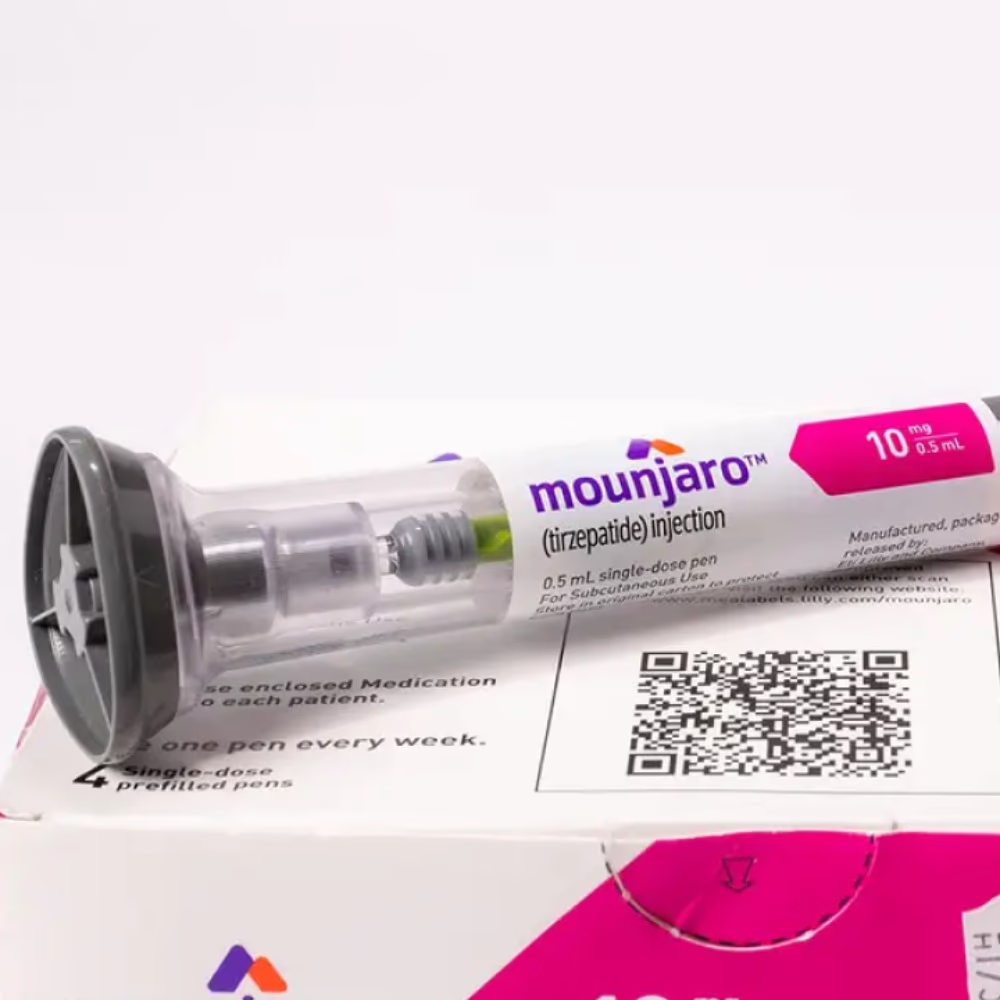
In the largest head-to-head clinical trial comparing GLP-1 medications, tirzepatide reduced body weight by 20.2% versus 13.7% with semaglutide. That difference comes down to one thing: tirzepatide targets two gut hormones instead of one.
Tirzepatide is a dual glucose-dependent insulinotropic polypeptide (GIP) and glucagon-like peptide-1 (GLP-1) receptor agonist manufactured by Eli Lilly. It is the active ingredient in Mounjaro (tirzepatide) KwikPen, approved for type 2 diabetes management, and Zepbound, approved for chronic weight management. Tirzepatide is the first medication in its class to target both incretin pathways simultaneously.
This guide explains everything you need to know about tirzepatide: what it does in the body, why the dual mechanism matters, what it is approved for, and how it compares to semaglutide. For a broader clinical overview, see our complete Mounjaro guide.
What Is Tirzepatide?
Tirzepatide is the generic (non-brand) name for the active ingredient in two Eli Lilly medications. Mounjaro is the brand name approved for type 2 diabetes in adults and children aged 10 and older. Zepbound is the brand name approved for chronic weight management in adults with BMI 30 or above, or BMI 27 with at least one weight-related condition, and for obstructive sleep apnoea.
Same molecule. Two brands. Two different approved uses. This distinction matters because using Mounjaro for weight loss is considered off-label prescribing. You can learn more about the weight management angle in our Mounjaro weight loss guide. You can also visit the official Mounjaro site for manufacturer information.
How Tirzepatide Works: The Dual GIP/GLP-1 Mechanism of Action
To understand the tirzepatide mechanism of action, start with what happens after you eat. Your gut releases hormones called incretins that tell your brain you are full and signal your pancreas to release insulin. Two of the most important incretins are GIP and GLP-1.
GIP (glucose-dependent insulinotropic polypeptide) enhances insulin secretion when blood sugar is elevated, promotes fat metabolism, and may help protect the insulin-producing beta cells in your pancreas. GLP-1 (glucagon-like peptide-1) also increases insulin in a glucose-dependent manner, suppresses glucagon (a hormone that raises blood sugar), slows gastric emptying so food moves through your stomach more slowly, and reduces appetite.
Tirzepatide activates both GIP and GLP-1 receptors simultaneously. According to the Mounjaro prescribing information (FDA), this dual mechanism affects metabolic pathways that single-receptor GLP-1 agonists like semaglutide cannot reach alone. The result is greater reductions in both blood sugar and body weight observed in clinical trials.
Think of it this way: if GLP-1-only medications like semaglutide work through one channel, tirzepatide works through two channels at the same time. A receptor is a protein on the surface of a cell that responds to a specific signal. An agonist is a substance that activates a receptor. So a GIP/GLP-1 agonist is a medication that activates both the GIP and GLP-1 receptors, explained simply.
What Is Dual Incretin Therapy?
Incretins are gut hormones released after eating that help regulate blood sugar and appetite. GIP and GLP-1 are both incretins. Dual incretin therapy means targeting both of these hormonal pathways with a single medication rather than just one.
Tirzepatide is the first-in-class dual incretin therapy. Before tirzepatide, all approved GLP-1 receptor agonists (including semaglutide, liraglutide, and dulaglutide) targeted only the GLP-1 pathway. The addition of GIP receptor activation is what makes tirzepatide fundamentally different from these earlier medications. For a detailed reference on how tirzepatide fits within the broader drug class, see the StatPearls tirzepatide reference.
What Is Tirzepatide FDA-Approved For?
Tirzepatide has multiple FDA-approved indications across its two brand names:
Mounjaro: Approved for improving blood sugar control in adults and children aged 10 and older with type 2 diabetes, alongside diet and exercise. This is the primary approved use.
Zepbound: Approved for chronic weight management in adults with BMI 30 or above (obesity), or BMI 27 or above with at least one weight-related condition such as hypertension or dyslipidaemia. Zepbound also holds an FDA approval for moderate-to-severe obstructive sleep apnoea (OSA) in adults with obesity.
When a doctor prescribes Mounjaro for weight management rather than diabetes, this is off-label use. It is legal and common, but important to understand the distinction. The Mounjaro 5mg pen is the first treatment dose following the 2.5mg initiation period. All dosages require a prescription from a licensed healthcare provider.
Key Clinical Trial Results for Tirzepatide
The clinical evidence for tirzepatide comes from two major trial programmes: SURPASS (diabetes) and SURMOUNT (weight management).
Trial | Comparison | Key Result | Duration |
SURPASS-2 | Tirzepatide 15mg vs semaglutide 1mg | HbA1c reduction: 2.30% vs 1.86% | 40 weeks |
SURMOUNT-1 | Tirzepatide 15mg vs placebo | 20.9% body weight loss vs 3.1% | 72 weeks |
SURMOUNT-5 | Tirzepatide vs semaglutide 2.4mg | 20.2% vs 13.7% body weight loss | 72 weeks |
In the SURPASS-2 trial, tirzepatide 15mg reduced HbA1c (a measure of average blood sugar over 2 to 3 months) by 2.30% compared to 1.86% with semaglutide 1mg over 40 weeks. The SURMOUNT-5 trial demonstrated 20.2% body weight loss with tirzepatide versus 13.7% with semaglutide 2.4mg over 72 weeks.
Additionally, clinical data showed tirzepatide reduced the conversion from pre-diabetes to type 2 diabetes by 94%. These results established tirzepatide as the most effective incretin-based therapy in both glycaemic control and weight reduction when compared head-to-head against semaglutide.
Tirzepatide vs Semaglutide: What Is the Difference?
The fundamental difference is mechanism. Semaglutide (the active ingredient in Ozempic and Wegovy) activates only GLP-1 receptors. Tirzepatide activates both GIP and GLP-1 receptors. This dual activation produces broader metabolic effects.
In clinical trials, this translated to measurable differences. In SURPASS-2, tirzepatide achieved greater HbA1c reduction than semaglutide for diabetes management. In SURMOUNT-5, tirzepatide produced 47% greater relative weight loss than semaglutide for weight management.
Both medications are once-weekly subcutaneous injections. Both require a prescription. Both carry similar gastrointestinal side effect profiles. The choice between them depends on individual medical history, treatment goals, and your provider's clinical judgment. For a comprehensive comparison across all GLP-1 medications, see our guide on GLP-1 medications compared.
Frequently Asked Questions About Tirzepatide
What is tirzepatide used for?
Tirzepatide is FDA-approved for type 2 diabetes in adults and children aged 10 and older (as Mounjaro) and for chronic weight management and obstructive sleep apnoea in adults with obesity (as Zepbound). Both indications require a prescription from a licensed healthcare provider.
Is tirzepatide the same as Mounjaro?
Yes. Tirzepatide is the generic name for the active ingredient. Mounjaro is the brand name for type 2 diabetes. Zepbound is the brand name for weight management. Same molecule, two different brands with two different FDA-approved uses.
How does tirzepatide work in the body?
Tirzepatide activates both GIP and GLP-1 receptors. This increases insulin secretion when blood sugar is high, reduces glucagon levels, slows gastric emptying so you feel full longer, and reduces appetite. All of these effects are glucose-dependent, meaning they are most active when blood sugar is elevated, which reduces the risk of hypoglycaemia.
How is tirzepatide different from semaglutide?
Tirzepatide is a dual GIP/GLP-1 agonist. Semaglutide is a GLP-1-only agonist. In head-to-head trials, tirzepatide achieved greater reductions in both HbA1c (SURPASS-2) and body weight (SURMOUNT-5) compared to semaglutide. Both require a prescription and have similar side effect profiles. For a full analysis, see our GLP-1 medications compared guide.
What are common side effects of tirzepatide?
The most common side effects are gastrointestinal: nausea (12-18%), diarrhoea (12-17%), decreased appetite, and vomiting (5-9%). These tend to be dose-dependent, with higher rates at higher doses (39% GI events at 5mg, 46% at 10mg, 49% at 15mg). Most improve within the first few weeks at each dose level. Tirzepatide carries a boxed warning about thyroid C-cell tumours observed in rodent studies. It is contraindicated in patients with a history of MTC or MEN2.
Is Mounjaro a GIP/GLP-1 agonist?
Yes. Mounjaro (tirzepatide) is the first and only FDA-approved dual GIP/GLP-1 receptor agonist. This distinguishes it from all other approved GLP-1-only medications, including Ozempic, Wegovy, Trulicity, and Saxenda.
Learn More About Mounjaro (Tirzepatide)
If your healthcare provider has prescribed or is considering tirzepatide, you can browse Mounjaro (tirzepatide) products available at MedX Pharmacy, or explore our full range of diabetes and weight management medications.
All prescription medications dispensed through MedX Pharmacy require a valid prescription from a licensed healthcare provider. Your doctor is the best resource for determining whether tirzepatide is appropriate for your medical needs.
Key Takeaways on Tirzepatide
Tirzepatide is the first dual GIP/GLP-1 receptor agonist, representing a new class of incretin-based therapy. It is the active ingredient in Mounjaro (for type 2 diabetes) and Zepbound (for chronic weight management and obstructive sleep apnoea).
Clinical trial data from SURPASS and SURMOUNT programmes consistently demonstrated superior results compared to semaglutide in both blood sugar reduction and weight loss. The dual mechanism, targeting two incretin pathways instead of one, is what drives these differences.
Understanding what tirzepatide is and how it works gives you a stronger foundation for conversations with your healthcare provider about whether it may be relevant to your treatment plan.
Medical Disclaimer: This article is for informational purposes only and does not constitute medical advice. Always consult your healthcare provider before starting, stopping, or changing any medication. The information presented is based on publicly available clinical data and prescribing information current at the time of writing. MedX Pharmacy is a licensed pharmacy; all prescription medications require a valid prescription from a licensed healthcare provider.
all blogs