


Whey Protein Isolate vs Concentrate: Which to Buy in the UAE
Jun 22, 2026
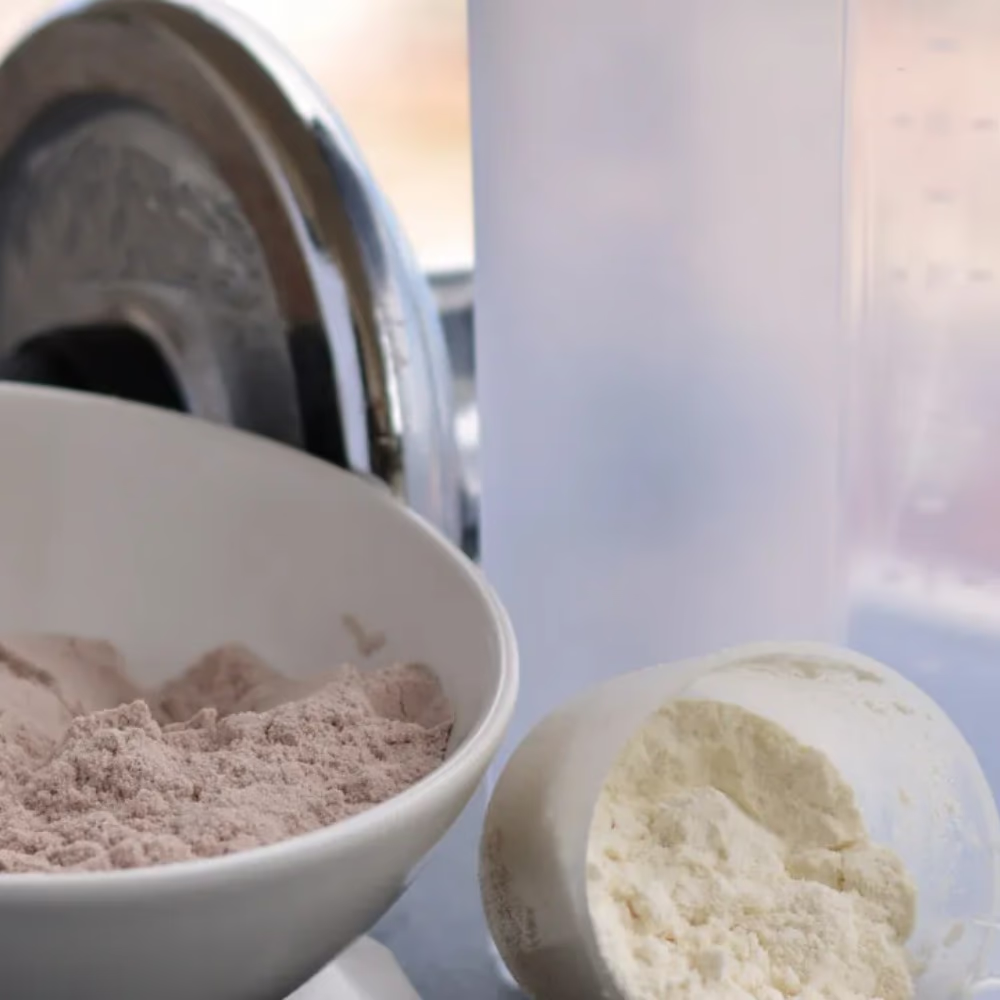
If every protein shake leaves you bloated, whey protein isolate is probably the cleaner option you have been looking for. Isolate is whey filtered to 90% or more protein with almost no lactose, while concentrate keeps more of the milk sugar that upsets sensitive stomachs. Here is how to tell which one you actually need, and what to buy in the UAE.
Most people land on this question after a few too many gassy afternoons. You suspect the protein, you have heard isolate is the smoother choice, and you are not sure whether the higher price is real value or just clever marketing. The honest answer from a pharmacist counter is that it depends on what is actually upsetting your stomach, and that is easier to work out than it sounds.
What is the difference between whey protein isolate and concentrate?
Whey protein isolate is whey protein that has been filtered to remove most of its fat, carbohydrates and lactose, leaving 90% or more protein by weight. Made from the liquid whey left over from cheese-making, it digests quickly and contains under 1% lactose, which makes it easier on the stomach than whey concentrate.
Concentrate is the same whey put through fewer filtration steps. It lands at roughly 70 to 80% protein and keeps more of the natural fat, carbs and lactose. That extra milk sugar is exactly what some stomachs object to. Neither form is purer in any moral sense. Isolate is simply stripped down further, which costs more to produce and shifts the macros toward protein.
Here is how they compare on the numbers that matter:
Whey protein isolate | Whey protein concentrate | |
Protein per 30g scoop | About 27 to 28g | About 21 to 24g |
Protein by weight | 90% or more | 70 to 80% |
Lactose | Under 1% (roughly 0.1 to 1g per scoop) | Higher, up to about 3.5g per scoop |
Fat and carbs | Very low | Slightly higher |
Calories | Lower | A little higher |
Digestion speed | Fast | Fast |
Cost | Around 20 to 40% more | Cheaper |
Best for | Sensitive stomachs, cutting, lactose-light needs | Most people, everyday use, tighter budgets |
On muscle, the two are close to even. Both deliver the full set of amino acids your body uses to build and repair muscle, and the nutritional gap between them is small for most goals. The real reason to pick one over the other is your digestion and your budget, not your gains.
Is whey isolate better if whey bloats you?
Yes. If dairy bloats you, whey isolate is usually the better choice because it carries far less lactose than concentrate. Lactose is the milk sugar many adults struggle to digest, and concentrate can hold several grams per scoop while isolate holds barely a trace. Cut the lactose and you usually cut the bloat that comes with it.
That is why a low-lactose pick such as a zero-lactose whey isolate like BioTechUSA Iso Whey Zero is the one we point sensitive-stomach customers toward first. It gives you the protein you are training for without the milk sugar that leaves you gassy by mid-afternoon. For someone who has felt let down by regular whey, that single change is often the whole fix.
Research suggests many people who are mildly lactose intolerant tolerate the trace amount left in isolate without symptoms. That is not a promise for everyone, and it is not a treatment for a diagnosed intolerance. It simply means the most common shake-related trigger is mostly removed when you switch from concentrate to isolate.
Is it actually the lactose? The check most people skip
Before you spend more on isolate, it is worth a quick gut check, because bloating after a shake has more than one cause. Lactose is the usual suspect, but it is not the only one. If you switch to isolate and still feel off, the problem was somewhere else, and knowing that saves you money and frustration.
Cheap fillers and sweeteners
Many budget proteins lean on sugar alcohols and gums such as sorbitol, maltitol or inulin to improve taste and texture. These ferment in the gut and produce the same gas and bloating people blame on the protein itself. A clean isolate with a short ingredient list often settles a stomach that a heavily flavoured concentrate did not, and the lactose was never the issue.
Too much in one shake
Your body absorbs protein at a steady pace. Pour 50 or 60 grams into one shake and the excess sits and ferments, which feels exactly like a protein that does not agree with you. Splitting the same total across two smaller servings often clears the bloating on its own, whichever form you use.
When to see a doctor
A milk allergy is not the same as lactose intolerance. Intolerance is a digestion problem and isolate usually helps. An allergy is your immune system reacting to milk proteins such as beta-lactoglobulin, which isolate still contains. If shakes bring on hives, swelling, wheezing or stomach pain that feels more than ordinary bloating, stop and speak to a doctor or a MedX pharmacist before trying another whey. For a true milk allergy the right move is to avoid whey altogether, not to switch brands.
How much protein and lactose is in each?
Per 30 gram scoop, isolate gives you roughly 27 to 28 grams of protein against concentrate's 21 to 24 grams, because more of the powder is pure protein. On lactose, isolate sits under 1%, often around 0.1 to 1 gram a scoop, while concentrate can reach about 3.5 grams. Isolate also carries less fat, fewer carbs and slightly fewer calories per serving.
Put plainly, a scoop of isolate is more protein and less of everything else. If you are counting macros for a lean phase, that tighter ratio is genuinely useful. If you are just hitting a daily protein target and your stomach is fine, the difference is small enough that concentrate does the job.
Is whey isolate worth the extra money?
Isolate typically costs around 20 to 40% more than concentrate, so the value question is fair. It is worth the extra if dairy bloats you, if you are cutting and want leaner macros per scoop, or if you simply prefer a cleaner, lower-lactose powder. It is not worth the premium if your stomach handles concentrate fine and you are training for general fitness, where the muscle payoff is effectively the same.
A useful way to judge it is cost per serving rather than price per tub. Isolate tubs often carry slightly more protein per scoop, so the gap per actual serving is smaller than the shelf price suggests. Check the current price on the MedX product page and divide by the number of scoops to compare like for like. For exact UAE pricing, treat any figure as indicative and confirm on the product page itself.
Which whey should you buy in the UAE?
Match the whey to your stomach and your goal rather than to the loudest label. Here is the short version of who should buy what:
If you... | Buy |
Bloat or get gassy on regular whey | Isolate. Its low lactose usually removes the trigger. |
Have no stomach issues and watch your spend | Concentrate. You get the same muscle benefit for less. |
Are cutting calories or in a lean phase | Isolate, for the leaner macros per scoop. |
React to dairy itself, not just lactose | A dairy-free option like beef protein isolate, and check with a doctor. |
If dairy is your trigger, start with a dedicated isolate. The a zero-lactose whey isolate like BioTechUSA Iso Whey Zero is a clean, high-protein pick that suits sensitive stomachs. If you prefer a widely trusted all-rounder, the Optimum Nutrition Gold Standard Whey range is a reliable option that blends isolate and concentrate.
If you react to dairy itself rather than the lactose, a dairy-free protein like beef isolate sidesteps milk entirely while still hitting your protein. And if you are still working out the basics of how to choose and use a protein powder, our guide for those new to whey protein walks through scoop sizes, timing and mixing without the jargon.
FAQs
Is whey isolate basically lactose-free?
Close to it. Isolate is filtered down to under 1% lactose, often around 0.1 to 1 gram per scoop, which is low enough that many lactose-sensitive people drink it without symptoms. It is not certified lactose-free, so anyone with a severe intolerance should still check the label and start with a small serving.
Does isolate build more muscle than concentrate?
No. Both deliver the complete amino acids your body uses to build and repair muscle, and studies show the muscle payoff is effectively the same. Isolate gives you a little more protein per scoop, but for muscle growth the two are close to even. Pick based on your stomach and budget, not your gains.
How much protein is in a scoop of isolate?
A standard 30 gram scoop of whey isolate delivers about 27 to 28 grams of protein, because 90% or more of the powder is pure protein. Concentrate sits lower at roughly 21 to 24 grams per scoop. Exact figures vary by brand, so check the nutrition panel on your tub.
Is isolate better for fat loss or cutting?
It can be the cleaner fit. Isolate carries more protein and fewer carbs, fat and calories per scoop, which suits a calorie-controlled cut where every gram counts. The difference is modest, so concentrate still works for fat loss. Isolate simply makes the macros easier to manage when you are lean.
Can I still bloat on whey isolate?
Yes, if lactose was not your real trigger. Bloating can come from sugar alcohols and gums in flavoured powders, or from too much protein in one shake. If a clean isolate still upsets you, look at the ingredient list and your serving size, and see a doctor if symptoms feel more than ordinary.
Which whey isolate is best to buy in the UAE?
Look for a dedicated isolate with 90% or more protein, low lactose and a short ingredient list. BioTechUSA Iso Whey Zero and the Optimum Nutrition Gold Standard range are well-regarded picks stocked at MedX with UAE delivery. Choose your flavour, then compare cost per serving rather than price per tub.
Should I take isolate if I have a milk allergy?
No. A milk allergy is an immune reaction to milk proteins that isolate still contains, which is different from lactose intolerance. If you have a diagnosed milk allergy, avoid whey of any kind and speak to a doctor or a MedX pharmacist about a dairy-free protein such as beef or plant isolate.
The bottom line
Make the call on your gut, not the marketing. If dairy bloats you, whey protein isolate is worth the extra because its low lactose usually removes the trigger. If your stomach is fine, concentrate gives you the same muscle benefit for less. Sort out whether lactose is really the culprit first, then pick the form that fits, and a clean isolate like the BioTechUSA Iso Whey Zero is a sensible place to start with same-day UAE delivery.
Anyone who is pregnant, on medication, or managing a health condition should check with a doctor or the MedX pharmacist before adding a new supplement.
all blogs