



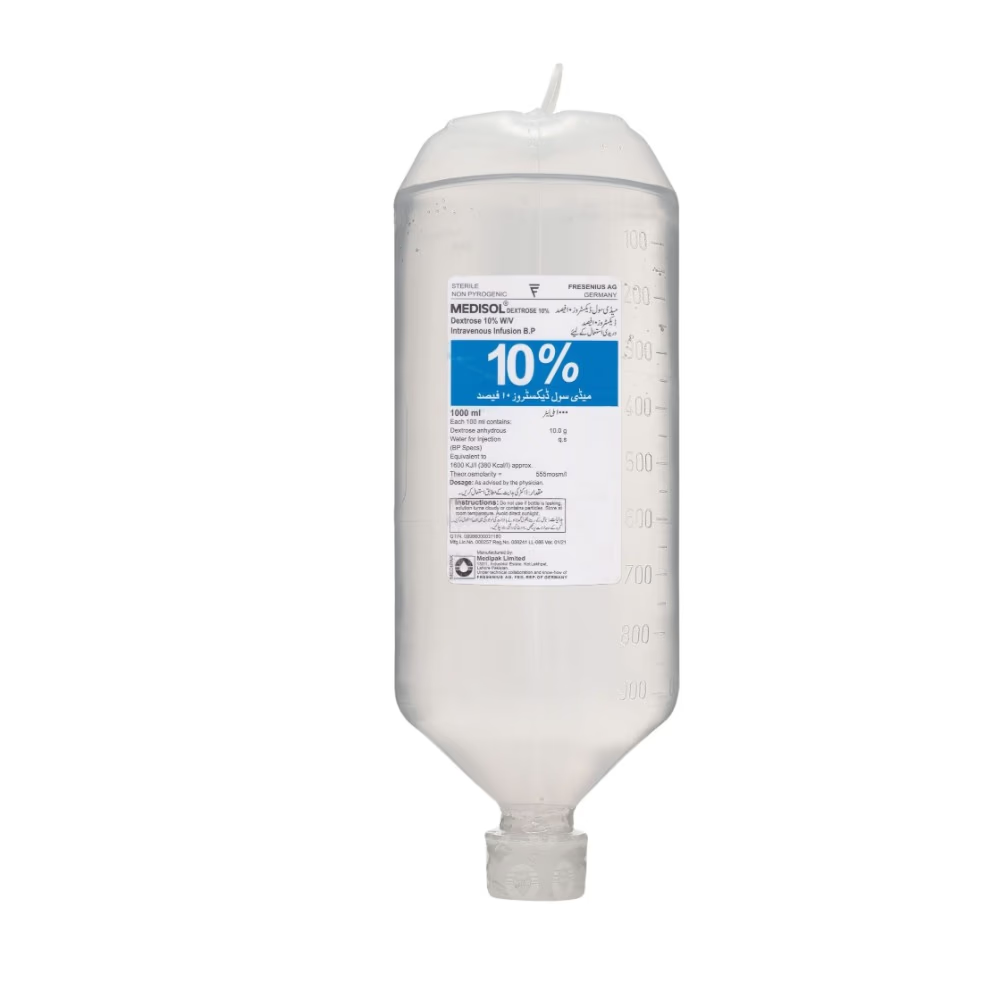
Description
This sterile, non-pyrogenic hypertonic solution consists of D-glucose in water for injection, formulated for intravenous administration to provide immediate caloric support and hydration. With a concentration of 100 grams of dextrose per liter, the solution yields approximately 340 calories per thousand milliliters, serving as a critical energy substrate for cellular metabolism. The hypertonic nature of the fluid allows for the stabilization of blood glucose levels in patients with acute hypoglycemia or those requiring parenteral nutrition when oral intake is insufficient. It is frequently utilized to provide a source of water and carbohydrates to minimize liver glycogen depletion and protein catabolism. The 500mL flexible plastic container is designed for use with standard intravenous administration sets in clinical environments.
Dosage and Administration
Metric | Specification |
Standard Dosage | Individualized based on patient age, weight, and clinical condition |
Active Ingredients | Dextrose Monohydrate (10% w/v / 100g per 1000mL) |
Timing | Continuous or intermittent infusion as prescribed by a physician |
Method of Use | Intravenous infusion via a peripheral or central venous catheter |
Key Features
- Hypertonic Caloric Delivery: Provides 200 calories per 500mL container, offering a concentrated carbohydrate source for patients with high metabolic demands or fluid restrictions.
- Protein-Sparing Effect: Supplies readily available glucose to the systemic circulation, preventing the body from breaking down muscle protein for gluconeogenesis.
- Osmotic Diuretic Potential: Acts as a hyperosmolar agent that can assist in promoting diuresis depending on the patient's clinical status and administration rate.
- Compatibility Profile: Serves as a versatile vehicle for the delivery of compatible medicinal additives, allowing for simultaneous electrolyte or drug titration.
- Vascular Integrity Design: Formulated with a pH range of approximately 3.2 to 6.5, requiring careful site selection to minimize the risk of venous irritation or thrombophlebitis.