


Acne Treatment Options: Matching Spot Gels, Antibiotics, Retinoids and Scar Creams to Your Skin
Jun 23, 2026
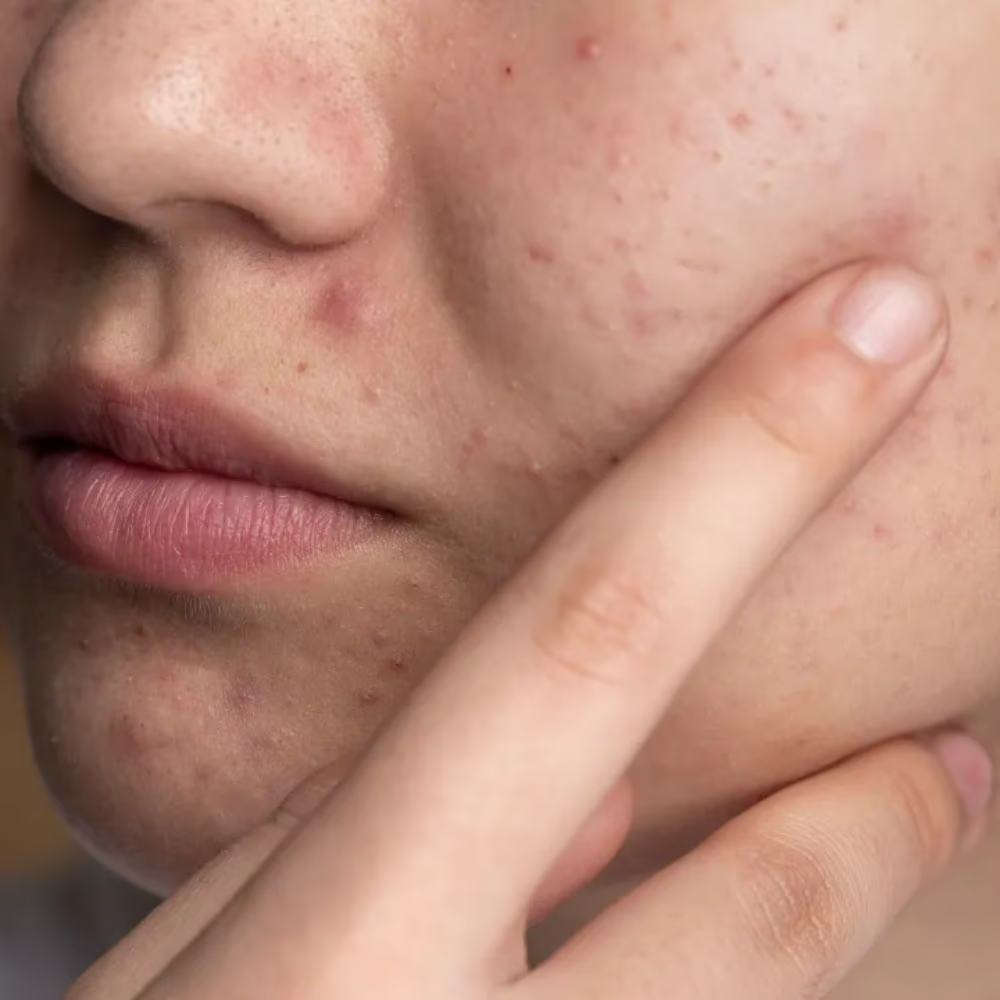
There is no single best acne treatment, only the right one for your kind of acne. Whiteheads, inflamed pustules, hormonal breakouts, leftover marks, and true scars each need a different approach. This guide sorts your acne into types and matches each one to the treatment that actually works, plus how to get it in the UAE.
If you have tried product after product and your skin still will not clear, the issue is usually a mismatch. You are treating the wrong type, or reaching for a cream that cannot do what you are asking of it. Sort the problem first, then choose the treatment, and the whole thing gets a lot simpler.
What type of acne do you have?
Acne comes in a few recognisable types, and identifying yours is the first step to treating it. Comedonal acne is clogged pores (whiteheads and blackheads). Inflammatory acne is the red, raised papules and pus-filled pustules. Hormonal acne tends to sit along the jaw and chin and flares on a cycle. Then there are the leftovers: flat marks and pitted scars, which are not active acne at all and need their own approach.
Acne type | What it looks like | First-line approach |
Comedonal | Whiteheads and blackheads, bumpy texture, little redness | Topical retinoid (prescription) |
Inflammatory | Red papules and pus-filled pustules, tender | Benzoyl peroxide, often with a prescribed topical antibiotic |
Hormonal | Deep bumps along jaw and chin, flares on a cycle | See a doctor, may need oral or hormonal treatment |
Marks (post-inflammatory) | Flat red, brown, or dark patches where spots healed | Azelaic acid, time, daily SPF |
Scars (atrophic) | Pitted, dented, or textured skin | Dermatologist procedure, not a cream |
Most people have a mix, and that is normal. Treat the dominant type first, and deal with marks once the active breakouts are under control.
Which acne treatment works for which type?
Acne treatment works by matching the type of acne to the right class of product. Benzoyl peroxide and spot gels handle mild breakouts, topical retinoids clear clogged pores, topical antibiotics calm inflammation, azelaic acid fades marks, and oral medication is for severe acne. In the UAE, retinoids and antibiotics require a prescription, while benzoyl peroxide and azelaic options are more readily available.
Treatment class | Best for | OTC or prescription | Example at MedX |
Benzoyl peroxide / spot gel | Mild and inflammatory spots | More accessible | Acne Max gel |
Topical retinoid | Comedonal acne, maintenance | Prescription | Acretin-C combo gel |
Topical antibiotic | Inflammatory acne, with benzoyl peroxide | Prescription | Medacin-T solution |
Azelaic acid | Marks and sensitive inflammatory acne | More accessible | Skinoren cream |
Oral medication | Moderate to severe acne | Prescription, doctor-led | Discuss with a doctor |
The rest of this guide walks each class in turn, so you can see where yours fits and what to do next.
Spot gels and benzoyl peroxide: when are they enough?
Benzoyl peroxide and spot gels are the right first move for mild or occasional breakouts. Benzoyl peroxide kills the bacteria involved in acne and helps clear pores, which makes it effective on red, inflamed spots without needing a prescription. For the odd breakout rather than widespread acne, a targeted spot treatment is often all you need.
For individual spots, target breakouts with a spot gel like Acne Max applied directly to the blemish. If your acne is widespread rather than a few spots, benzoyl peroxide is also the partner ingredient that makes antibiotic treatment safe to use, which is the next section. Start with a lower strength to limit dryness, and always pair any active with a daily sunscreen.
Topical antibiotics: why they are never used alone
Topical antibiotics treat inflammatory acne, but they should never be used on their own. Used alone, they drive antibiotic resistance, so dermatology guidelines from the American Academy of Dermatology and NICE advise always pairing a topical antibiotic such as clindamycin with benzoyl peroxide. That combination keeps the treatment working and protects against resistance.
Topical antibiotics and prescription retinoids require a prescription in the UAE. A doctor or pharmacist should confirm the right treatment for your acne. Antibiotics for acne are never used alone, always alongside benzoyl peroxide.
A clindamycin solution such as a prescribed topical antibiotic like Medacin-T is dispensed at MedX with a valid prescription, and your prescriber will tell you how to pair it with benzoyl peroxide. For more on how this ingredient works, see how topical clindamycin works for acne
Retinoids for acne: where they fit
Topical retinoids are a first-line treatment for clogged-pore (comedonal) acne and a mainstay for keeping skin clear long term. They speed up cell turnover so pores stop clogging, and they are often combined with an antimicrobial for inflammatory acne. Prescription retinoids like tretinoin are stronger than over-the-counter retinol, and in the UAE they require a prescription.
Where you start depends on how much your skin can handle. If you are new to retinoids, a gentler over-the-counter retinol to start is the comfortable entry point. If your acne needs more, how prescription tretinoin works for acne explains the prescription step. At MedX, a retinoid-combination gel is one prescribed option your doctor may suggest. Retinoids are not suitable in pregnancy, so flag it if that applies to you.
Azelaic acid: for inflammation and marks
Azelaic acid is a gentle option that treats inflammatory acne and fades the dark marks it leaves behind. It calms inflammation and evens out post-acne discolouration, which makes it useful for sensitive skin and for the brown or red marks left after spots heal. It is a good choice when stronger actives are too irritating.
An azelaic acid cream such as an azelaic acid cream like Skinoren suits people dealing with both active spots and leftover marks. For a fuller look at this ingredient, see how azelaic acid works for acne and marks.
Acne marks vs acne scars: what a cream can and cannot do
This is the distinction that saves people the most wasted money. Acne marks are flat patches of red or brown discolouration left after a spot heals, and creams can genuinely help fade them. Acne scars are different. They are changes in the skin's texture, pitted or dented, and no cream removes them. Telling the two apart tells you what is realistic.
No cream removes true acne scars. Creams can fade flat marks (post-inflammatory discolouration) over time. Pitted or textured scarring needs a dermatologist procedure such as laser, microneedling, or subcision. If a product promises to erase scars, treat that as a warning sign.
So if what you see is flat and coloured, a fading cream and daily sunscreen are a fair plan. If what you see is a dent or a pit you can feel, that is a job for a clinic, and a dermatologist can talk you through the options.
Which cream is best for acne scars?
For flat marks, the most useful creams contain azelaic acid, retinoids, or other tone-evening ingredients, paired with daily sunscreen to stop the marks darkening. There is no single best cream, because the right one depends on your skin and the type of mark. For true pitted scars, no cream is the answer, and a procedure is the honest route.
In practice, treat the active acne first, protect healing skin from the sun, and give marks a few months to fade. Chasing a fast miracle cream usually means money spent on the wrong thing. Patience and the right match beat speed here.
Hormonal acne: does it need a different approach?
Hormonal acne often does need a different approach, because topical products alone may not be enough. It typically shows up as deeper bumps along the jaw and chin and flares on a monthly cycle. When that is the pattern, a doctor can assess whether an oral or hormonal treatment would help, alongside the usual topical care.
If your breakouts are cyclic, persistent, and concentrated on the lower face, it is worth booking a consultation rather than cycling through more creams. This is a case where the right answer often is not on a shelf.
Do you need a prescription in the UAE?
Some acne treatments are available over the counter in the UAE, and some are prescription-only. Benzoyl peroxide and azelaic acid options are more accessible, while topical antibiotics, prescription retinoids, and any oral acne medication require a prescription. A doctor or MedX pharmacist can confirm which class fits your acne and route you to the right one.
A sensible path is to start a mild case with an accessible option like a spot gel such as Acne Max or an azelaic cream like Skinoren, and to speak to a professional before starting the prescription classes. Prices are indicative, so check the current price on MedX. New actives also pair best with a gentle routine, so consider a gentle cleanser to use alongside acne actives.
Acne treatment FAQ
What is the most effective treatment for acne?
The most effective treatment is the one matched to your acne type. Benzoyl peroxide and spot gels suit mild spots, retinoids clear clogged pores, topical antibiotics with benzoyl peroxide treat inflammation, and severe acne needs a doctor. There is no single best product for everyone.
What are the main types of acne?
The main types are comedonal acne (whiteheads and blackheads), inflammatory acne (red papules and pustules), and hormonal acne (deeper bumps along the jaw and chin). Marks and scars are not active acne but the discolouration and texture changes left behind after spots heal.
Can acne scars be removed completely?
Flat acne marks can fade significantly with creams and time, but true pitted scars cannot be removed by any cream. Textured or dented scarring needs a dermatologist procedure such as laser, microneedling, or subcision. Telling marks and scars apart tells you what is realistic.
Which cream is best for acne scars?
For flat marks, creams with azelaic acid or retinoids, paired with daily sunscreen, help fade discolouration over months. There is no single best cream, as the right one depends on your skin. For true pitted scars, no cream works and a procedure is the honest route.
Can I buy acne treatment over the counter in the UAE?
Some classes, like benzoyl peroxide and azelaic acid, are more accessible, while topical antibiotics, prescription retinoids, and oral acne medication require a prescription in the UAE. A doctor or MedX pharmacist can confirm which treatment your acne needs and route you correctly.
Why shouldn't antibiotics be used alone for acne?
Topical antibiotics used alone encourage antibiotic resistance, which makes them less effective over time. Dermatology guidelines advise always pairing a topical antibiotic such as clindamycin with benzoyl peroxide. Your prescriber will explain how to use the two together.
Is hormonal acne treated differently?
Often yes. Hormonal acne shows up as deeper bumps along the jaw and chin and flares on a cycle, and topical products alone may not be enough. A doctor can assess whether an oral or hormonal treatment would help alongside topical care, so a consultation is worthwhile.
When should I see a doctor about my acne?
See a doctor if your acne is severe, painful or cystic, leaving scars, or not improving with over-the-counter products. Early treatment of severe acne helps prevent scarring. A doctor or MedX pharmacist can match you to the right treatment class and prescription where needed.
Match the treatment to your acne type, and stop chasing miracle creams. Sort whether you are dealing with spots, inflammation, hormonal breakouts, marks, or true scars, then choose the class that fits, accessible options for mild cases and prescription classes with a professional's guidance. A MedX pharmacist can help you route the prescription options and point you to the right product for the rest.
This guide is educational and not a substitute for medical advice. See a doctor if your acne is severe, painful or cystic, or scarring, and consult a doctor or MedX pharmacist before starting prescription treatments. Reviewed by a MedX pharmacist for accuracy
all blogs