


Heating Pad vs Hot Water Bottle: Which Heat Therapy Should You Buy?
Jun 30, 2026
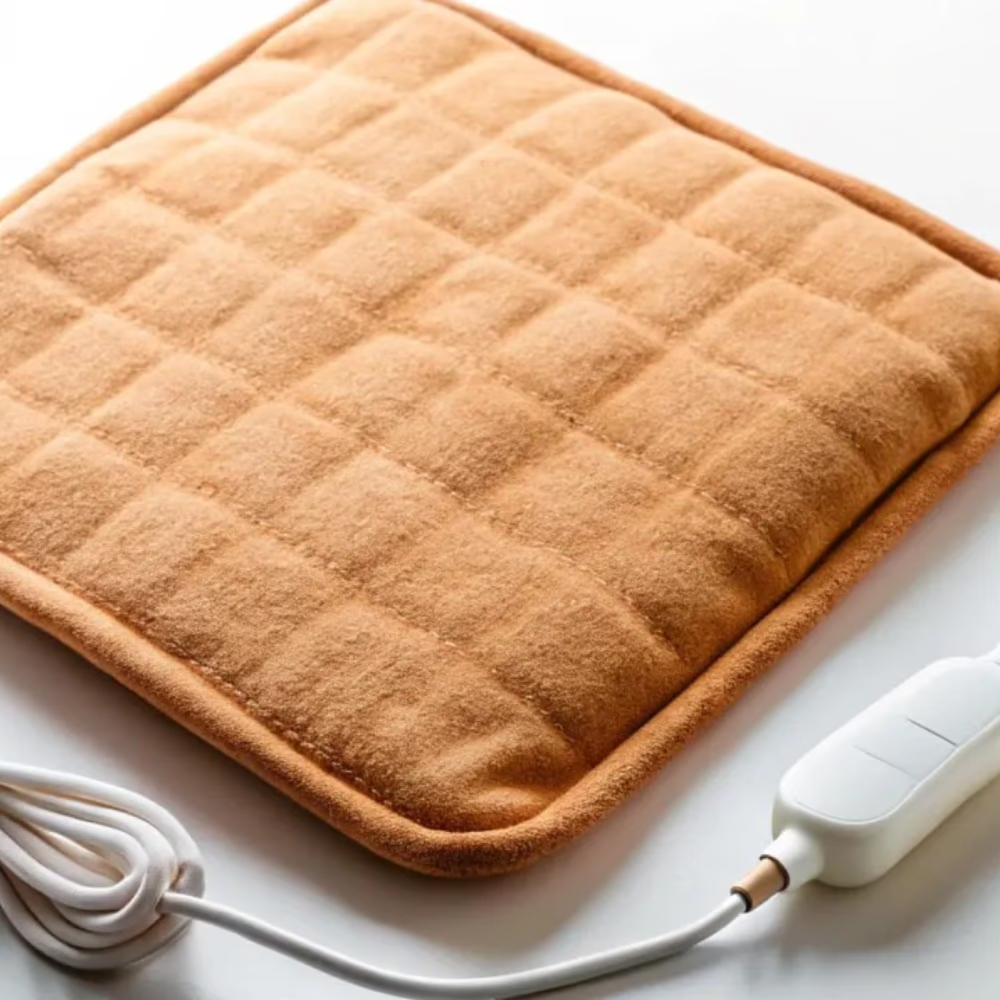
A heating pad gives you steady, adjustable heat from the wall. A hot water bottle gives you cordless warmth that fades in around 20 to 40 minutes. For chronic back or muscle pain, the electric pad wins. For cramps, travel or bedtime, the bottle is genuinely enough. Here is how to pick, and the one time you should reach for ice instead.
Almost every page comparing these two is run by a shop selling one of them, so the verdict leans toward whatever they stock. MedX sells both, which makes this the neutral version: which device suits which situation, when the cheaper option is the smart buy, and when heat is the wrong call entirely.
Heating pad vs hot water bottle, what is the real difference?
A heating pad is an electric device that delivers steady, adjustable heat to a sore area through a built-in heating element, usually with temperature settings and an automatic shut-off. It eases muscle and joint pain by widening blood vessels, raising blood flow and relaxing tight tissue. Unlike a hot water bottle, it holds a constant temperature for as long as it stays plugged in.
A hot water bottle is the classic version of the same idea. You fill it with hot water, it radiates warmth, then it cools over the next half hour. No cord, no outlet, and it costs a fraction of an electric pad. The real split between the two is consistency and duration against portability and price. An adjustable electric pad like the Beurer HK-25 electric heating pad holds its heat for a whole session, while a bottle is grab-and-go but cools within about 20 to 40 minutes.
Factor | Heating pad (electric) | Hot water bottle |
Heat consistency | Constant, set temperature | Warm at first, then cools |
Duration | As long as it is plugged in | Around 20 to 40 minutes |
Portability | Needs a power outlet | Fully cordless, goes anywhere |
Cost | Higher upfront | Low, budget-friendly |
Safety features | Auto shut-off, temperature limits | Depends on careful filling and a cover |
Best for | Chronic back, joint and muscle pain | Cramps, travel, bedtime, tight budget |
Which is better for your situation?
Neither is better in the abstract. The right one depends on what hurts and where you will use it. Match the device to the situation and the choice gets simple.
Your situation | Best pick | Why |
Chronic back or joint pain | Electric heating pad | Holds steady heat for long, repeat sessions |
Menstrual cramps | Either, bottle often enough | A bottle on the lower belly does the job cheaply |
Travel or no power outlet | Hot water bottle | Cordless and packable |
Bedtime | Bottle or auto-off pad | A bottle cools safely, a pad needs auto shut-off |
Tight budget | Hot water bottle | A fraction of the price, same warmth |
Long, repeated sessions | Electric heating pad | No refilling, set and forget the temperature |
Cramps are the one case where the cheap option usually wins, since a warm bottle on the lower abdomen relaxes the muscle just as well. If period pain is your main reason for buying, read more on using heat for period cramps before you spend on the electric pad.
Is an electric heating pad worth it over a hot water bottle?
Sometimes, and it comes down to how often you are in pain. An electric pad is worth it if you have chronic or recurring back, neck or joint pain and want the same controlled heat session after session without refilling anything. The steady temperature and auto shut-off are what you are paying for.
If your pain is occasional, or it is cramps, travel discomfort or a cold night, a hot water bottle does the same warming job for a fraction of the price. Spending on the electric pad then buys convenience you will not use often. Be honest about how regularly you actually reach for heat, and let that decide.
Does heat therapy actually work?
Yes, for the right kind of pain. Heat widens blood vessels, increases blood flow to the area and relaxes tight muscle, which is why it eases stiffness and cramping. This is established physiology, not a marketing claim.
The clinical evidence backs it for back pain in particular. A Cochrane systematic review found moderate evidence that surface heat reduces pain and disability in short-term low back pain, with the benefit greatest in the first week. Heat will not fix a structural problem, but for muscular stiffness and cramps it does real, measurable work.
When should you use ice instead of heat?
This is the question vendor pages skip, and it matters. Use heat for chronic stiffness, tight muscles and cramps. Use ice for a fresh injury with swelling, such as a sprain or a knock, during the first 48 to 72 hours. Heat increases blood flow, so applying it to a swollen area makes the swelling worse rather than better.
Fresh injury with swelling? Use ice, not heat.
For a new sprain or strain in the first couple of days, ice and the R.I.C.E. method calm the swelling. Switch to heat only once the swelling has settled.
How to use a heating pad or hot water bottle safely
Heat is safe when you keep it warm, not hot, and keep it brief. A few simple rules cover almost every risk.
- Keep sessions to about 15 to 20 minutes, then give the skin a break.
- Put a cloth or cover between the device and bare skin to prevent burns.
- Never fall asleep on an electric heating pad, and choose one with auto shut-off.
- Fill a hot water bottle with hot, not boiling, water and check the stopper is sealed.
One group needs to be more careful. If you have diabetes, nerve damage or neuropathy, poor circulation, or you are pregnant, check with a doctor or the MedX pharmacist before using heat regularly. Reduced sensation means you can burn without feeling it, so the warning is worth taking seriously rather than guessing.
Which heating pad or hot water bottle to buy in the UAE
Once you know your situation, the pick is straightforward from the two MedX stocks. The Beurer HK-25 is the electric choice, with adjustable settings and an auto shut-off for safe, repeatable sessions on chronic back and muscle pain. For cramps, travel, bedtime or a tight budget, the Uni-Hot hot water bottle gives you the same soothing warmth without a cord or a higher price.
If you want to go deeper on the bottle before deciding, see a full guide to choosing and safely using a hot water bottle. And if you are kitting out a home-health drawer more broadly, our notes on how to choose a home-health device in the UAE cover what is worth owning.
Frequently asked questions
Is a heating pad better than a hot water bottle?
Neither is better overall. An electric heating pad holds a constant temperature and suits chronic or repeated pain, while a hot water bottle is cordless, cheaper and fine for cramps, travel and bedtime. The better choice depends on your pain and where you use it.
Is an electric heating pad worth it?
It is worth it if you have chronic or recurring pain and want controlled, repeatable heat without refilling. For occasional aches or cramps, a hot water bottle does the same job for far less, so the electric pad is convenience you might not use often.
Can I use a heating pad on my stomach?
Yes, on a low to medium setting with a cloth barrier, for around 15 to 20 minutes. It is a common way to ease menstrual cramps. If you are pregnant, check with a doctor or pharmacist before applying heat to your abdomen.
Can I sleep with a heating pad on?
No, you should not sleep on an electric heating pad, as prolonged contact raises the risk of burns. If you want heat overnight, a hot water bottle that cools on its own is safer, or use a pad with an automatic shut-off.
How long should you use a heating pad?
About 15 to 20 minutes per session, then let the skin rest before reapplying. Keeping it warm rather than hot and using a cover prevents burns. Longer is not better and raises the risk to your skin.
Is heat or ice better for back pain?
For muscular or chronic low back pain, heat is usually better, since it relaxes tight tissue and a Cochrane review supports it for short-term back pain. For a fresh injury with swelling in the first 48 to 72 hours, use ice instead.
Can you use a heating pad during pregnancy?
Heat on the lower back is often used in pregnancy, but keep it warm not hot, limit the time, and avoid prolonged heat on the abdomen. Because circulation and sensitivity change in pregnancy, check with a doctor or the MedX pharmacist first.
The bottom line
Neither device is better than the other. The right heating pad or hot water bottle is the one that matches your pain and where you will use it. Choose the electric Beurer HK-25 for chronic, repeat back and muscle pain, and the Uni-Hot bottle for cramps, travel and bedtime on a budget. Whichever you pick, keep it warm not hot, save ice for fresh swelling, and check with the MedX pharmacist if you have a condition that affects sensation.
all blogs