


The Complete Mounjaro (Tirzepatide) Guide for 2026
May 28, 2026
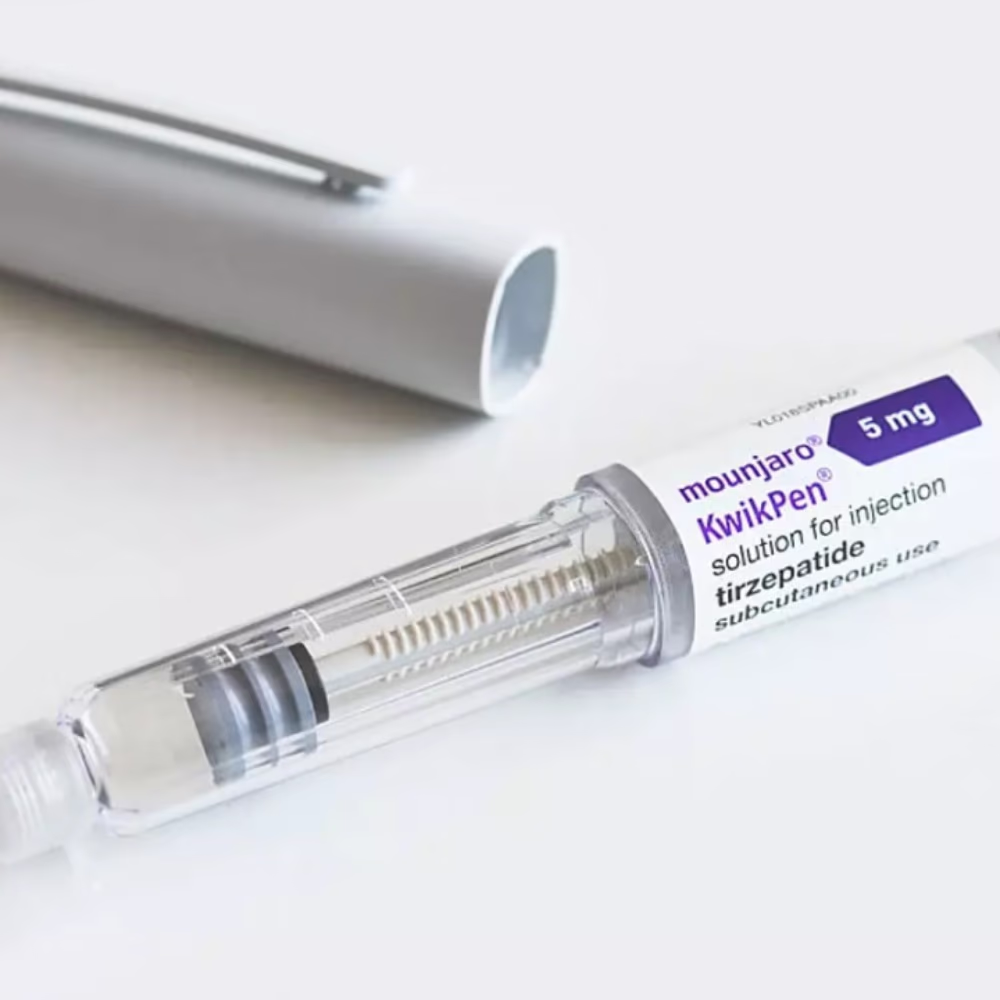
Mounjaro (tirzepatide) is a dual GIP and GLP-1 receptor agonist administered as a once-weekly subcutaneous injection. FDA-approved for type 2 diabetes in adults and pediatric patients aged 10 and older, Mounjaro demonstrated HbA1c reductions of up to 2.30% in the SURPASS clinical trial program, exceeding results achieved by semaglutide in head-to-head comparison.
If you are researching Mounjaro for the first time, the amount of information available can feel overwhelming. This complete guide covers everything you need to know: what Mounjaro is, how it works, the full dosage range, side effects, UAE pricing, and how it compares to other GLP-1 medications.
The information below is based on FDA prescribing information and the SURPASS clinical trial program. You can view the Mounjaro KwikPen 2.5mg at MedX Pharmacy. All prescription medications require a valid prescription from a licensed healthcare provider.
What Is Mounjaro (Tirzepatide)?
Mounjaro is the brand name for tirzepatide, a medication manufactured by Eli Lilly. It belongs to a newer class of injectable diabetes medications that target two hormone receptors instead of one. The generic name, tirzepatide, refers to the active molecule. For a deeper exploration of the molecule itself, see the tirzepatide explained guide.
Mounjaro was first approved by the FDA in May 2022 for adults with type 2 diabetes. In December 2025, the FDA expanded approval to include pediatric patients aged 10 and older. It is administered as a once-weekly subcutaneous injection using the KwikPen device. The official Mounjaro website provides manufacturer resources for patients.
Mounjaro is available in five dosage strengths: 2.5mg, 5mg, 7.5mg, 12.5mg, and 15mg. Each pen delivers a single pre-set dose. Tirzepatide is also marketed under a separate brand, Zepbound, which is FDA-approved for chronic weight management in adults. The two brands contain the same molecule but carry different approved indications.
How Mounjaro Works: Dual GIP/GLP-1 Mechanism
Tirzepatide activates both GIP (glucose-dependent insulinotropic polypeptide) and GLP-1 (glucagon-like peptide-1) receptors simultaneously. This dual pathway enhances insulin secretion, suppresses glucagon release, slows gastric emptying, and reduces appetite through central nervous system signaling, producing greater glycemic control and weight reduction than single-receptor GLP-1 agonists alone.
Explained simply: most diabetes injections like Ozempic work on one receptor (GLP-1). Mounjaro works on two. The GIP receptor adds a second mechanism that further improves how your body handles blood sugar and stores energy. This is why researchers call tirzepatide a dual incretin therapy.
In the SURPASS-2 trial, tirzepatide reduced HbA1c by up to 2.30%, compared to 1.86% with semaglutide 1mg. The Cleveland Clinic overview offers additional context on how GIP/GLP-1 agonists differ from single-receptor medications.
FDA-Approved Uses and Off-Label Applications
Mounjaro is FDA-approved for two populations: adults with type 2 diabetes (since May 2022) and pediatric patients aged 10 and older with type 2 diabetes (since December 2025). The FDA label update (2025) confirms the expanded indication.
Mounjaro is not FDA-approved for weight loss. Weight management in adults with a BMI of 30 or above (or 27 or above with a weight-related condition) is approved under the Zepbound brand only. Both brands contain tirzepatide, but the approved use differs.
Off-label uses reported in the medical community include weight loss in non-diabetic patients, pre-diabetes management, PCOS (polycystic ovary syndrome), and NAFLD (non-alcoholic fatty liver disease). These uses are not FDA-approved for the Mounjaro brand and should be labeled as community-reported. In the SURMOUNT-5 trial, tirzepatide achieved 47% greater weight loss than semaglutide (20.2% vs 13.7% body weight reduction). For detailed weight loss data, see the weight loss results guide.
If your prescriber has recommended Mounjaro for type 2 diabetes or for an off-label indication, the same safety monitoring applies regardless of the reason for use.
Mounjaro Dosage Guide: 2.5mg to 15mg
Mounjaro follows a structured titration schedule. All patients start at 2.5mg once weekly for the first four weeks. This starting dose is for tolerability, not therapeutic effect. Your healthcare provider will increase the dose every four weeks based on your response and tolerance.
Dose | Purpose | Duration | Product |
2.5mg | Starting dose (tolerability) | Weeks 1-4 | |
5mg | First therapeutic dose | Weeks 5-8+ | |
7.5mg | Intermediate dose | If more control needed | |
12.5mg | Higher dose | If more control needed | |
15mg | Maximum dose | Maintenance |
Each dose is available as a single-use KwikPen. Dose increases should only happen under prescriber guidance, never self-adjusted. Skipping doses or doubling up can increase the risk of side effects. For detailed titration timing and missed-dose instructions, see the dosing schedule guide.
How to Use the Mounjaro KwikPen
The KwikPen is a single-use, pre-filled injection device. Each pen contains one dose. You do not need to measure or mix medication. The injection is given subcutaneously (under the skin) in the abdomen, thigh, or upper arm.
Before your first injection, remove the pen from the refrigerator and let it reach room temperature for about 30 minutes. Attach the needle, prime the pen, select your injection site, and press the button. The injection takes approximately 5 to 10 seconds. Rotate injection sites with each dose to reduce the risk of skin reactions.
If you are nervous about self-injection, know that the KwikPen was designed for simplicity. The needle is thin (29 to 32 gauge), and most patients report minimal discomfort after the first few uses. For step-by-step instructions with visual guidance, see the injection guide.
Mounjaro Side Effects: Common and Serious
In the SURPASS clinical trials, the most common side effects of tirzepatide were gastrointestinal: nausea (12-18%), diarrhea (12-17%), decreased appetite, vomiting (5-9%), and constipation (6%). These effects are dose-dependent, with pooled GI adverse event rates increasing from 39% at 5mg to 49% at the 15mg maximum dose.
Most gastrointestinal side effects are mild to moderate and tend to decrease with continued use. They are most common during dose escalation periods, which is why the titration schedule starts at the lowest dose.
Serious side effects reported with Mounjaro include:
Thyroid C-cell tumors (Boxed Warning): Tirzepatide caused thyroid C-cell tumors in rodent studies. No confirmed cases have been attributed to tirzepatide in humans. Mounjaro is contraindicated in patients with a personal or family history of medullary thyroid carcinoma (MTC) or Multiple Endocrine Neoplasia syndrome type 2 (MEN 2).
Pancreatitis: Cases of acute pancreatitis, including hemorrhagic and necrotizing forms, have been reported. Symptoms include severe, persistent abdominal pain. Discontinue Mounjaro if pancreatitis is suspected.
Hypoglycemia: Risk increases when Mounjaro is used with insulin or sulfonylureas. Blood sugar monitoring is important when combining medications.
Gallbladder disease: Cholelithiasis and cholecystitis have been reported. Watch for upper abdominal pain, especially after meals.
For detailed incidence rates and management strategies, see the side effects guide. For risks associated with extended use, see the long-term safety overview. The clinical reference at Drugs.com provides additional safety data.
Who Should Not Take Mounjaro
Mounjaro is contraindicated in patients with a personal or family history of medullary thyroid carcinoma (MTC) or Multiple Endocrine Neoplasia syndrome type 2 (MEN 2). It is also contraindicated in patients with known hypersensitivity to tirzepatide or any of its components.
Mounjaro is not indicated for patients with type 1 diabetes or diabetic ketoacidosis. It has not been studied in patients with a history of pancreatitis. Patients with severe gastrointestinal disease should discuss risks with their prescriber, as Mounjaro slows gastric emptying.
If you are scheduled for surgery requiring anesthesia, inform your surgical team that you are on Mounjaro. Delayed gastric emptying may increase aspiration risk.
Mounjaro Cost and Availability in the UAE
In the UAE market, Mounjaro KwikPen prices generally range from AED 1,500 to AED 2,600 per pen, depending on dosage strength and pharmacy. Prices vary across pharmacies and may change based on supply, insurance coverage, and source.
MedX Pharmacy is a licensed UAE-based online pharmacy that offers Mounjaro across all five dosage strengths. For current pricing on each dose, visit the product pages linked in the dosage table above. A valid prescription from a licensed healthcare provider is required for all orders.
For a full breakdown of price comparisons, insurance considerations, and cost-saving strategies, see the Mounjaro pricing guide. To learn about the ordering process, visit the buy Mounjaro UAE page.
Mounjaro vs Ozempic: Key Differences
Mounjaro and Ozempic are both once-weekly injectables, but they work differently. Ozempic (semaglutide) is a single GLP-1 receptor agonist. Mounjaro (tirzepatide) is a dual GIP and GLP-1 receptor agonist. This means Mounjaro activates two hormone pathways where Ozempic activates one.
In the SURPASS-2 head-to-head trial, tirzepatide achieved greater HbA1c reductions (up to 2.30% vs 1.86%) and greater weight loss than semaglutide 1mg. Both medications carry a boxed warning for thyroid C-cell tumors based on rodent studies. Neither has been shown to be significantly safer than the other overall.
Feature | Mounjaro | Ozempic |
Active Ingredient | Tirzepatide | Semaglutide |
Mechanism | Dual GIP/GLP-1 | GLP-1 only |
HbA1c Reduction | Up to 2.30% | Up to 1.86% |
Dosage Range | 2.5mg - 15mg | 0.25mg - 1mg |
Manufacturer | Eli Lilly | Novo Nordisk |
Boxed Warning | Thyroid C-cell (rodent) | Thyroid C-cell (rodent) |
The choice between Mounjaro and Ozempic depends on your individual health profile, treatment goals, and prescriber recommendation. For a detailed side-by-side analysis, see the dedicated comparison guide on the MedX blog.
Frequently Asked Questions About Mounjaro
Is Mounjaro used for weight loss?
The Mounjaro brand is FDA-approved for type 2 diabetes, not for weight loss. Weight management is approved under the Zepbound brand, which contains the same active ingredient (tirzepatide). Weight loss use of Mounjaro is off-label and should be discussed with a healthcare provider. In the SURMOUNT-5 trial, tirzepatide achieved 20.2% body weight reduction compared to 13.7% with semaglutide, though this data applies to the Zepbound indication.
Is Mounjaro the same as Ozempic?
No. Mounjaro contains tirzepatide, a dual GIP and GLP-1 receptor agonist made by Eli Lilly. Ozempic contains semaglutide, a GLP-1 receptor agonist made by Novo Nordisk. In the SURPASS-2 trial, tirzepatide outperformed semaglutide on HbA1c reduction and weight loss. They are different medications with different mechanisms. You can compare with Mounjaro safety data on the MedX blog.
What are the side effects of Mounjaro?
The most common side effects are gastrointestinal: nausea (12-18%), diarrhea (12-17%), vomiting (5-9%), and constipation (6%). These are dose-dependent and typically decrease with continued use. Mounjaro also carries a boxed warning for thyroid C-cell tumors based on rodent studies. Serious risks include pancreatitis, gallbladder disease, and hypoglycemia when combined with insulin.
Who cannot take Mounjaro?
Mounjaro is contraindicated in patients with a personal or family history of medullary thyroid carcinoma (MTC) or MEN 2, and in patients with known hypersensitivity to tirzepatide. It is not indicated for type 1 diabetes or diabetic ketoacidosis. Patients with severe gastrointestinal conditions or a history of pancreatitis should discuss risks with their prescriber before starting.
Do you gain weight back after stopping Mounjaro?
Weight regain after discontinuation is common with GLP-1 and GIP/GLP-1 medications, including Mounjaro. Clinical data suggests that much of the weight lost during treatment may return after stopping. Lifestyle changes, including diet and physical activity, can help sustain results. Your prescriber can guide the decision around treatment duration and discontinuation planning.
Is Mounjaro or Ozempic safer?
Neither medication has been shown to be significantly safer than the other overall. Both carry a boxed warning for thyroid C-cell tumors based on rodent data. Both have similar gastrointestinal side effect profiles, though incidence rates differ slightly. The safety comparison depends on individual patient factors. A healthcare provider can help determine which medication is more appropriate based on your medical history.
Exploring Your Mounjaro Options
If your healthcare provider has prescribed Mounjaro, or if you are discussing it as an option, you can view product details and available dosages at MedX Pharmacy. Visit the explore all Mounjaro dosages page to see all five strengths. A valid prescription from a licensed healthcare provider is required for all prescription medications.
Conclusion
Mounjaro (tirzepatide) represents a distinct approach to type 2 diabetes management through its dual GIP and GLP-1 receptor mechanism. The SURPASS clinical program demonstrated superior HbA1c reduction and weight loss compared to single-receptor GLP-1 agonists.
This guide covered the key areas: what Mounjaro is, how it works, the complete dosage range from 2.5mg to 15mg, common and serious side effects, who should not take it, UAE cost and availability, and how it compares to Ozempic. Each topic links to a more detailed spoke guide on the MedX blog for deeper reading.
The most important next step is a conversation with your healthcare provider. Bring your questions, reference the clinical data, and make a decision that fits your health profile. All Mounjaro orders through MedX Pharmacy require a valid prescription.
Medical Disclaimer: This article is for informational purposes only and does not constitute medical advice. Always consult your healthcare provider before starting, stopping, or changing any medication. The information presented is based on publicly available clinical data and prescribing information current at the time of writing. MedX Pharmacy is a licensed pharmacy; all prescription medications require a valid prescription from a licensed healthcare provider.
all blogs